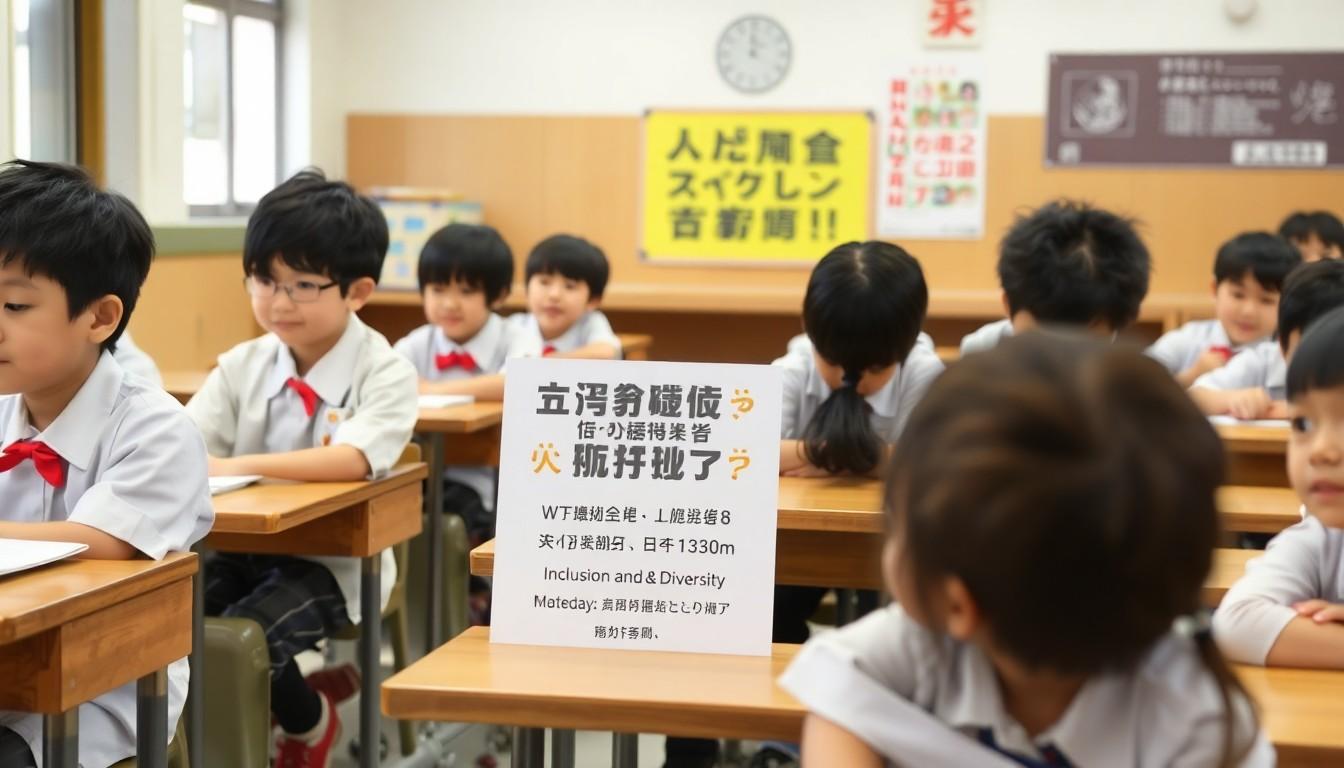
Watch how two very different decisions , Niger’s new penal code and Japan’s planned nationwide LGBTQ+ education programme , push the global conversation in opposite directions, affecting real people, schools and communities in ways that are immediate and deeply human.
Essential Takeaways
- Niger’s law: The military government’s new penal code criminalises same-sex relations with jail terms of five to ten years and fines, and even targets those who facilitate ceremonies.
- Regional ripple: This shift follows recriminalisation trends in parts of West Africa, signalling harsher penalties across neighbouring states.
- Japan’s response: Tokyo is preparing a nationwide education programme to boost understanding of sexual and gender diversity in schools, universities and public institutions.
- Practical contrast: One move tightens legal penalties and social danger, the other invests in long-term cultural change through education and counselling.
- Human stakes: Both choices shape daily life , from whether people feel safe at home to whether young people can access supportive school services.
Niger’s new penal code: a legal turn that reaches into private life
Niger’s military government has introduced a penal code that makes consensual same-sex relations a criminal offence punishable by five to ten years’ imprisonment and fines, according to regional reporting. The text goes further than many laws, explicitly penalising anyone involved in ceremonies or who helps organise them, which sweeps in friends, family or organisers who might otherwise be peripheral. Regional outlets report this marks a sharp legal reversal in a country where homosexuality wasn’t previously criminalised, though social stigma was widespread; now that stigma has a legal bite. The change also follows similar moves elsewhere in the Sahel and West Africa, suggesting a pattern rather than an isolated decision. For anyone advising or supporting queer people in Niger, the practical upshot is simple: ordinary acts that once existed in a private, informal sphere are suddenly risky. Legal counsel, discreet support networks and safe-exit planning become immediate priorities.
Neighbours and momentum: why this matters beyond Niger’s borders
This isn’t happening in a vacuum. Journalists covering the region note that countries such as Burkina Faso and Senegal have recently tightened penalties for same-sex relations, and proposed laws in other states would even criminalise allies and supporters. The result is a patchwork where crossing a border can mean entering a zone of criminalisation. For NGOs, aid workers and families, that creates a chilling effect: cross-border cooperation becomes legally fraught and people on the move may face new dangers. Practically speaking, charities and consulates will need to update guidance, and civil-society groups may pivot resources to legal defence and emergency relocation rather than public campaigning.
Japan’s education plan: slow policy that hopes to shift hearts and classrooms
On the other side of the world, Japan is preparing a nationwide education initiative aimed at improving understanding of LGBTQ+ people, with materials, teacher training and surveys to measure impact. The initiative stems from 2023 legislation asking authorities to promote public awareness, and the government expects to review the programme every few years. Advocates say school-based education can be quietly transformative: better counselling, clearer support pathways and more inclusive teacher training can make schools safer for adolescents who are discovering their identities. Japan still lacks nationwide marriage equality, but this sort of cultural groundwork could ease social barriers ahead of any legal reforms.
Education versus punishment: what the contrast teaches us
Put together, the two developments show how state policy shapes daily reality: one expands criminal liability and fear, the other invests in knowledge and practical supports. Both affect young people most directly , in Niger, the threat is immediate and punitive; in Japan, the change is gradual and preventive. For policymakers and parents, the takeaway is practical. If you live in or work with communities in countries tightening laws, focus on safety, legal advice and discreet support. If you’re in a setting moving towards education-first policies, push for thorough teacher training, accessible counselling and monitored outcomes so programmes actually help queer students.
Looking ahead: what to watch and how to respond
Expect more polarised moves globally as local politics, courts and legislatures push in different directions. Human-rights organisations will likely document and challenge criminalisation, while educators and advocates in other countries will test whether classroom initiatives translate into everyday protections. If you want to help: support verified charities that provide legal aid and emergency relocation in regions facing recriminalisation, and back education projects that include evaluation and funded counselling. Small choices , funding a legal defence fund, offering teacher training , can change whether someone’s next year is safe or precarious.
It's a small change here and a hard step there, but each policy steers lives in a very practical direction.
Source Reference Map
Story idea inspired by: [1]
Sources by paragraph: