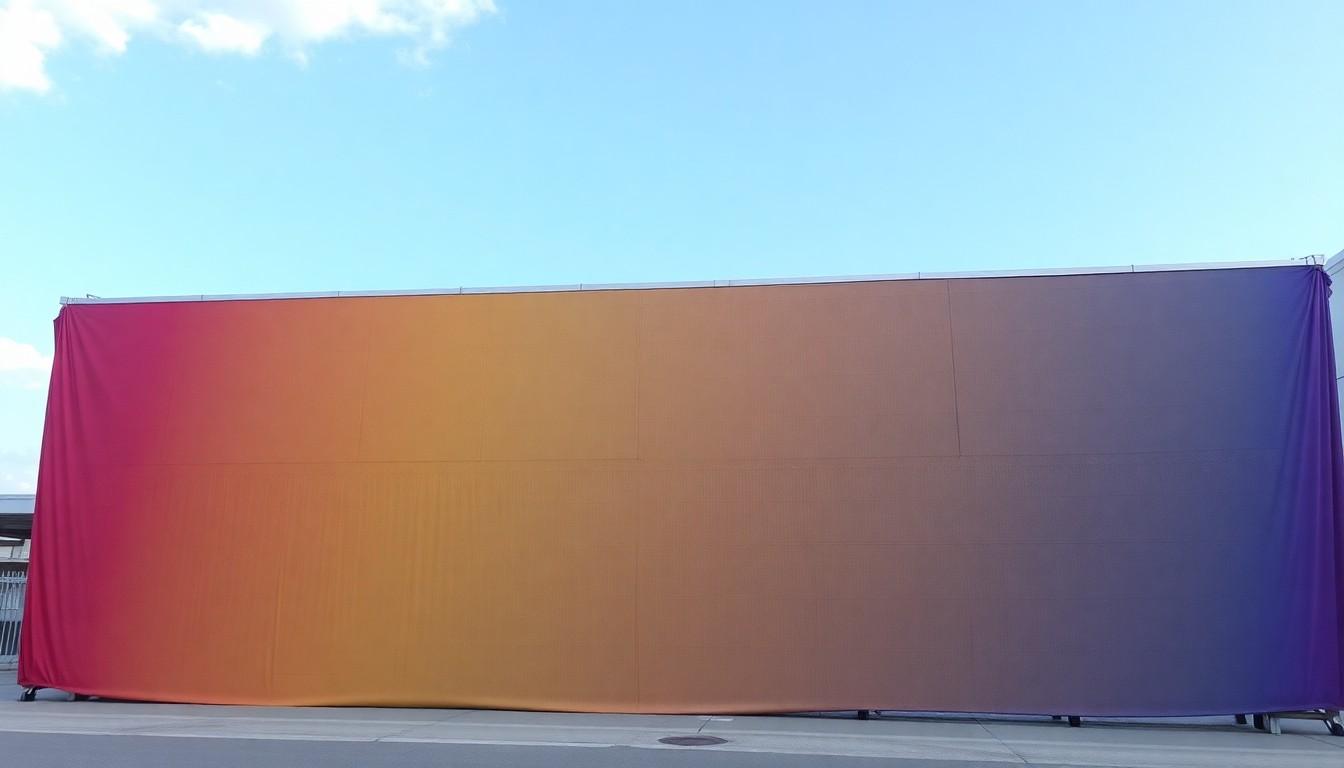
Shoppers and residents are watching Fort Lauderdale find a creative fix after a state fight over Pride rainbows; the city has installed a “Circle of Love” on private land next to Sebastian Street Beach, signalling a local solution that keeps colour near a popular LGBTQ gathering spot.
Essential Takeaways
- New installation: The "Circle of Love" rainbow piece sits on private property adjacent to Sebastian Street Beach, a hub for the LGBTQ community, and replaces public street art removed amid legal pressure.
- End of a legal fight: Fort Lauderdale agreed to settle with the state, removing municipal rainbow crosswalks and decorative street art to end ongoing disputes.
- Visible and local: The circle creates a vivid, accessible symbol close to the beach; it feels celebratory and intentional, while avoiding state-controlled public roadway rules.
- Community response: Elected officials and local advocates attended the unveiling, framing it as a statement of inclusivity though some see it as a compromise.
- Practical takeaway: If public displays are restricted, private-land installations are a growing tactic cities use to preserve local expression.
Why the circle matters , a colourful workaround with a quiet sting
The Circle of Love is bright, small and placed where people already gather, so it reads instantly as a beacon rather than a bureaucratic gesture. According to local reporting, Mayor Dean Trantalis announced the installation alongside community leaders and the property developer, and residents turned up to celebrate. That visual tenderness masks a tougher reality: the move follows months of pressure from state transportation authorities demanding removal of rainbow crosswalks and murals. For many, the circle feels like a smart, even tender response; for others it's a reminder of what was lost.
How Fort Lauderdale ended its fight with the state
Fort Lauderdale had been the last municipality to resist actions by the Florida Department of Transportation to paint over rainbow crosswalks and other decorative road art across the state. Facing legal and logistical friction, city officials reached a settlement that meant municipal street art would come down. The city then worked with a private developer to place the Circle of Love on private land, sidestepping rules that apply to public roadways. It's a pragmatic settlement that keeps colour in the public eye while complying with state demands.
What this says about strategy , private land as a free-speech space
Cities from across Florida have been scrambling for ways to keep Pride visible after state interventions; Fort Lauderdale's approach shows a clear playbook: if the state controls public thoroughfares, lean into privately owned spaces where cities and community groups can still express identity. It's a trend you'll likely see elsewhere , parks, plazas and privately owned strips now become the gallery walls for civic expression. For event planners and activists, the lesson is simple: check land ownership early and secure agreements that protect display rights.
Community reaction , celebration, relief, and a hint of resignation
The mood at the unveiling was mixed but earnest. Local officials , including Rep. Debbie Wasserman Schultz and city commissioners , joined residents and advocates to mark the moment as a demonstration of Fort Lauderdale's commitment to diversity. Critics, however, argue the move normalises concessions that chip away at visibility on truly public streets. Both reactions are understandable: there's relief at keeping a visible symbol near Sebastian Street Beach, and frustration that an easier, public route to expression was closed off.
Practical tips for other cities and community groups
If your town is facing similar restrictions, start by mapping land ownership around high-footfall areas and speak with private owners about short- and long-term installations. Consider durable, low-maintenance materials that resist weather and wear, and build partnerships with local businesses to keep displays funded and looked after. Finally, communicate clearly with residents: small, well-placed symbols can preserve community morale even when larger, municipal works aren't possible.
It's a small change that keeps colour on the map and gives locals a place to gather , while reminding us how much public art depends on law and land.
Source Reference Map
Story idea inspired by: [1]
Sources by paragraph: