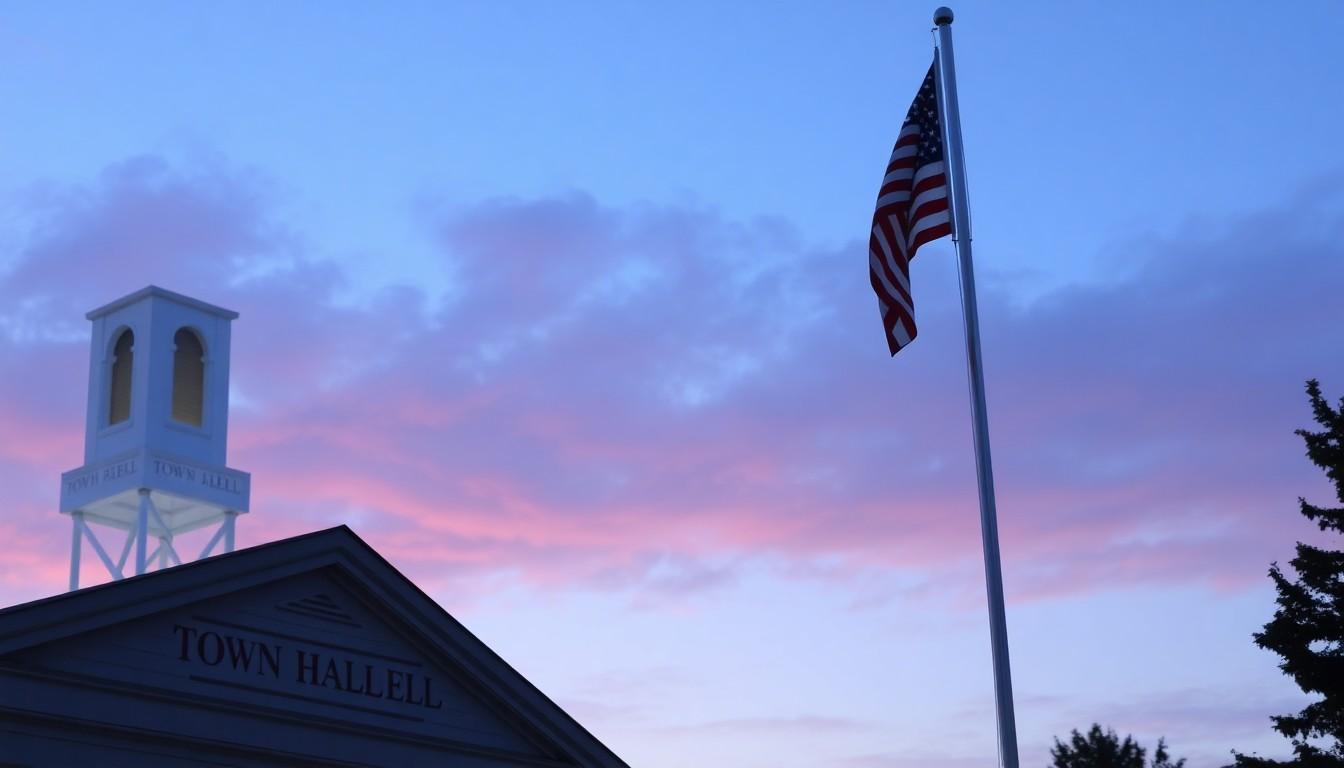
Watch civic leaders navigate symbolism carefully: when a small flag change in Webster, New York, sparked protests and vandalism, it revealed why public buildings must balance inclusion, neutrality and community expectations, here’s how councils can avoid performative gestures and real conflict.
Essential Takeaways
- Local choice matters: Webster’s town board limited flags to the American and New York flags, prompting a Pride flag removal that lasted just four days and provoked protests.
- Symbolic weight: Flags on government property read as official endorsements, not merely decorations, which raises fairness questions.
- Practical fallout: The flagpole was vandalised afterwards, showing small gestures can trigger big emotions and security concerns.
- Alternatives exist: Public events, rallies and private displays let communities celebrate without implying permanent municipal endorsement.
- Policy clarity helps: A clear, consistently applied flag policy reduces accusations of bias and the temptation for performative grovelling.
Why a little flag caused such a big reaction
A small, colourful cloth on a town hall flagpole became an outsized grievance in Webster when Republicans on the town board voted to restrict flags to the American and New York flags only. The rainbow banner was taken down after four days, then returned by activists who also knocked the U.S. flag to the base of the pole, an escalation that left residents angry and officials adding padlocks. It’s a vivid reminder that flags are sensory symbols: people see them, feel something, and sometimes act on it.
This wasn’t just about local theatre. According to local reporting, the decision followed a formal policy change rather than an impulsive removal, but that procedural fact did little to calm emotional responses. The incident shows how a routine municipal choice can be framed as either an act of neutrality or an act of exclusion, depending on who’s watching.
How flags on government property read as endorsement
In civic life, you don’t need a political science degree to know symbols matter. When a town hall hoists a banner, many interpret it as official approval. That’s the crux of the Webster row: some residents argued the American flag already symbolises everyone, while others felt the rainbow flag deserved its own official space.
Policy experts point out the difference between celebrating a group through community events and making a permanent-looking municipal statement. The latter invites other groups to demand parity. That’s why some councils adopt simple, consistent rules, flying only national and state flags, to avoid the slippery slope of special recognitions.
Why clear flag policies reduce drama
A narrowly drawn, publicly debated flag policy prevents ad hoc decisions that inflame people. Towns that want to avoid disputes lay out what flags are allowed, when temporary banners can be used, and who approves them. That kind of clarity is practical: it protects municipal property, reduces security risks, and makes officials’ jobs easier.
If a council wants to recognise Pride Month, one good approach is permitting temporary, event-linked displays or allowing third-party groups to use public spaces for celebrations, without implying the town itself is endorsing every cause that wants a flagpole moment.
Alternatives to flying flags that still show support
There are plenty of ways a local government can acknowledge a community without changing decades-old flag traditions. Host a parade, provide a permit-free park space for a Pride event, partner with local charities, light a public building in rainbow colours for a night, or post informational resources on the council website. These move the conversation from symbolic permanence to tangible support, and they’re less likely to trigger vandalism or claims of coercion.
Organisers and councillors should also remember the sensory detail: lighting a building in colour or staging an event lets people experience celebration in motion, music, stalls, faces, rather than seeing a static emblem above a civic building.
What officials and activists can learn next
Both sides could do with a little humility. Officials benefit from anticipating reactions and drafting rules that look and feel fair. Activists win more durable support through community events, education and dialogue than through overnight flag-raising that opponents read as demand for official endorsement. And residents deserve civic processes that balance inclusion with the genuinely unifying role of national symbols.
The Webster episode shows how symbolic choices spiral when people feel excluded or ignored. A better path is shared conversation and practical alternatives that let pride be visible without making public buildings battlegrounds.
It's a small change in procedure that can make every display less divisive and every celebration more sustainable.
Source Reference Map
Story idea inspired by: [1]
Sources by paragraph: