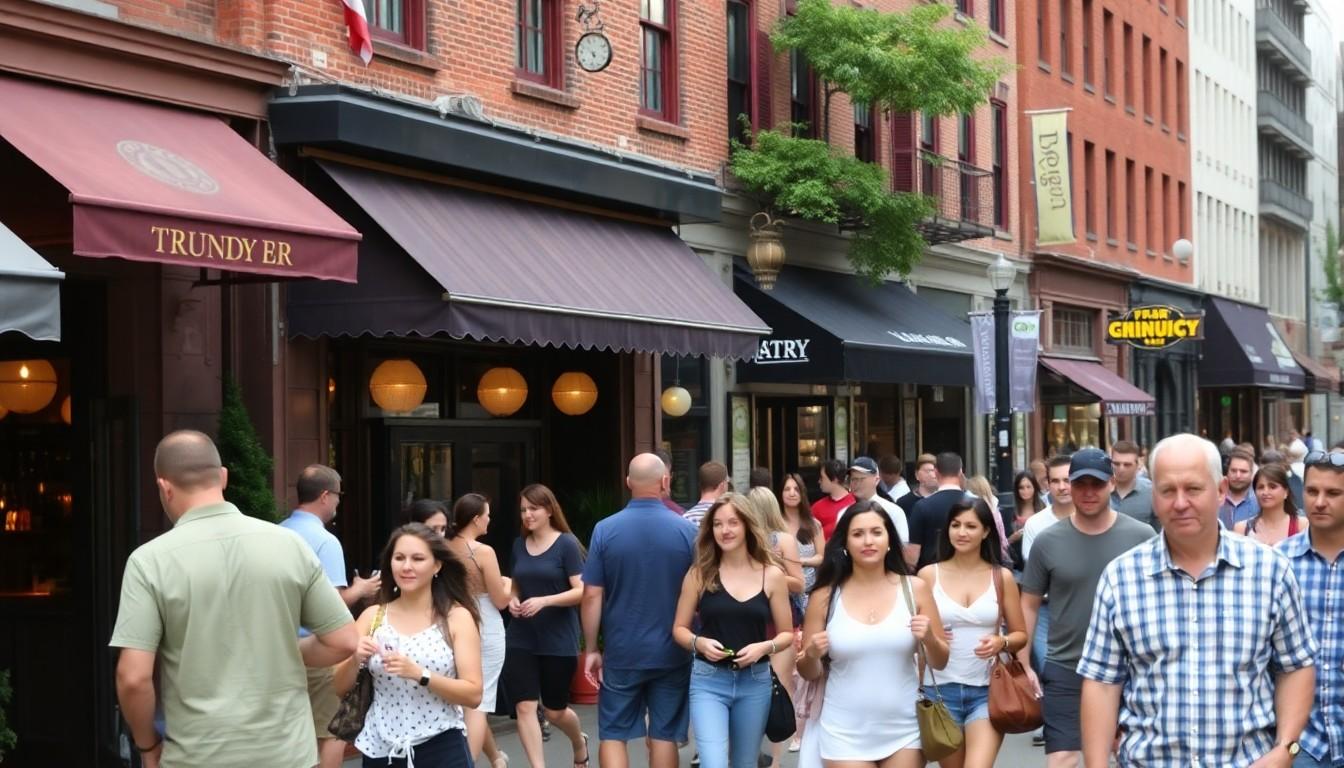
Shoppers and revels alike flock to D.C. each June, bringing crowds, spending and a visible economic lift , here’s how Capital Pride weekend turns parties into real revenue for bars, hotels and neighbourhood businesses.
Essential Takeaways
- Huge crowds: Capital Pride draws roughly 650,000–700,000 visitors to Washington, boosting footfall and late-night trade.
- Local lifeline: Longstanding gay bars report Pride weekend can cover a large share of their annual revenue, with packed rooms and festive energy.
- Big-ticket impact: When D.C. hosted WorldPride, organisers found roughly 1.2 million visitors and more than $300m in economic activity.
- Wider benefits: Revenue shows up in restaurants, hotels, sales and hotel taxes, and brings in non-LGBTQ+ visitors supporting community venues.
- Community value: Beyond money, Pride creates a sense of safety, belonging and cultural tourism that helps keep businesses open year-round.
Why Pride weekend matters to a bar’s bottom line
Pride isn’t just a party for many small businesses, it’s the busiest weekend of the year. Managers at longstanding venues in Dupont Circle and elsewhere say they’re “packed” from early evening until late, and that the surge in customers can meaningfully affect their annual returns. You can almost feel the difference when you walk into a venue , the place is buzzing, music is louder, and the till rings more often. For neighbourhood bars that operate on thin margins, that concentrated income helps steady cash flow through quieter months.
That dynamic is familiar to city officials too. Organisers and local government point out that major festivals drive measurable commercial activity, from meals to room nights. So when you’re enjoying a parade or block party, remember the strings of small businesses behind the smiles and the rainbow flags.
What the WorldPride figures tell us about scale
WorldPride’s recent report gives useful context: when D.C. hosted the global event, roughly 1.2 million visitors generated an economic impact north of $300 million. That’s a headline number, but the detail matters , spending ripples across hospitality, retail and tourism services, and it fuels tax revenue collected through hotel and sales taxes. According to organisers, those kinds of spikes show how a concentrated festival can create a seasonal boom that benefits many sectors.
For planners and policymakers, these reports help argue for continued support and permitting for large LGBTQ+ events. For local businesses, the takeaway is practical: staffing, stock and hours deserve a Pride-specific strategy because demand is predictable and high.
Who’s spending , and why visitors come
Pride attendees aren’t a single profile. Many are members of the LGBTQ+ community travelling from other states, while plenty more arrive as family, friends or allies wanting to celebrate. That mix widens the spending pool: visitors who come to support partners or relatives often treat the weekend like a short holiday, staying in hotels and eating out. The atmosphere , feeling safe, welcome and part of something , also encourages people to linger and spend more than they might at a standard weekend away.
For businesses, the practical lesson is simple: welcome everyone openly and make the experience easy. Clear signage, extra staff on shift, and Pride-friendly menus or special offers can convert happy visitors into repeat customers.
Practical tips for visitors and small businesses
If you’re heading to Capital Pride, plan ahead. Book hotels early , rooms fill fast and prices rise as demand spikes. Expect busy public transport and consider walking or cycling where possible. For bar and restaurant owners, build a Pride plan: order extra stock for peak nights, schedule more staff for evening shifts, and create simple, visible ways to accept cashless payments to speed turnover.
Event organisers and neighbourhood associations should also coordinate on safety, noise management and cleanup; a well-run weekend keeps neighbours supportive and makes it easier to host festivals in future years.
The softer payoff: community, continuity and culture
Money is only part of the story. Venue owners and patrons often talk about Pride as a restorative, communal moment , a time when people feel safe and seen, and when the city celebrates inclusion. That cultural value supports businesses in another way: it builds loyalty and identity. A bar that’s been “open for 40 years” because of community support isn’t just surviving on ticket sales; it’s embedded in social networks that bring people back year-round.
Looking ahead, the city’s ability to host big events while juggling other major sports and cultural weekends shows a confidence that helps attract future visitors. For D.C., Pride remains both a festival and an economic engine.
It's a small change that can make every weekend feel a little more prosperous and a lot more welcoming.
Source Reference Map
Story idea inspired by: [1]
Sources by paragraph: