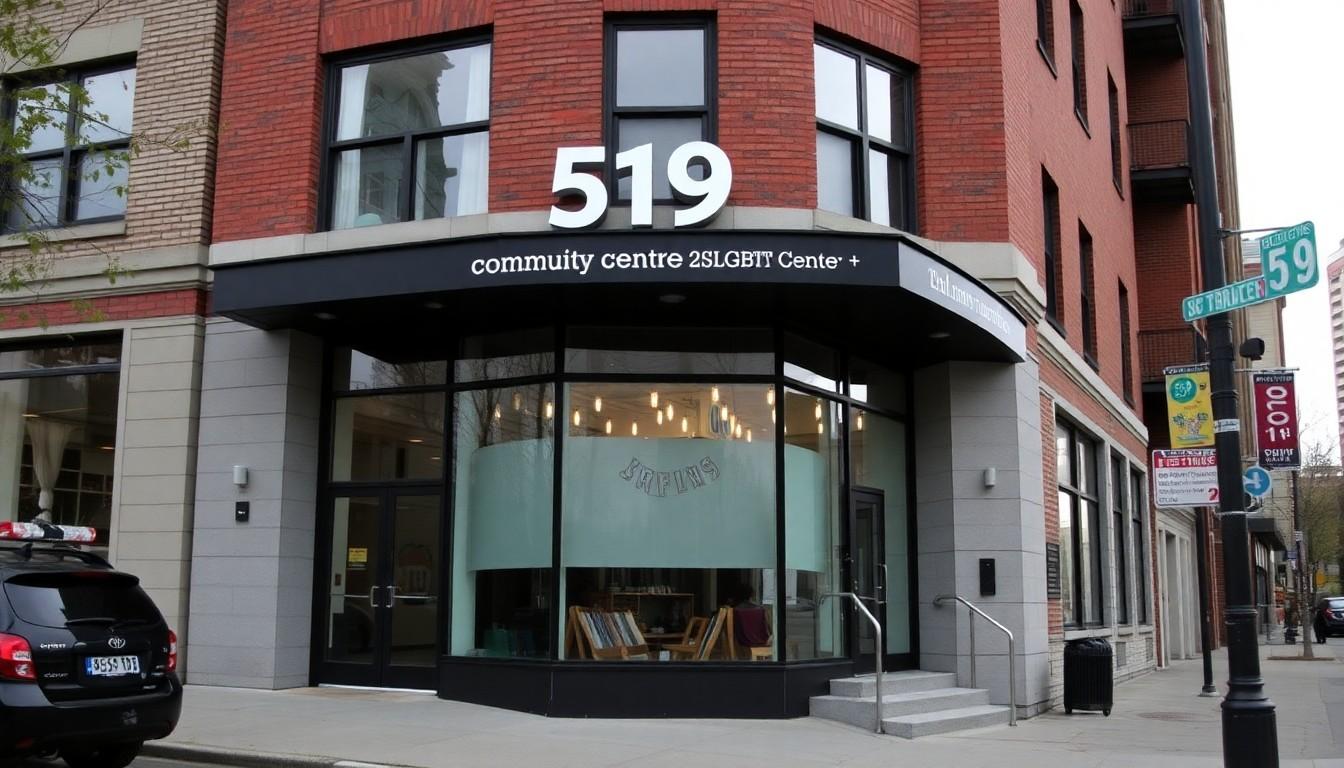
Shoppers are turning out, activists are organising, and communities are stitching visibility into practice as the Defend Refugees campaign urges Canada to strengthen protections for 2SLGBTQIA+ newcomers , a timely push as Bill C-12 and refugee-healthcare changes raise fresh barriers during Pride and World Refugee Day.
Essential Takeaways
- Campaign launched: Defend Refugees, convened by The 519 and Rainbow Railroad, kicked off during Pride to spotlight queer and trans newcomers and call for policy changes.
- One-year rule worry: Bill C-12 introduces a one-year asylum eligibility limit tied to first entry, which can block claims for people whose identities emerge later.
- Privacy and safety concerns: Advocates fear data-sharing provisions could expose personal information to governments refugees fled from.
- Everyday needs at risk: Changes to refugee healthcare and longer waits for work permits threaten access to housing, care and stability.
- How to help: Sign open letters, attend local actions, and wear campaign merch to boost visibility and solidarity.
Why Defend Refugees matters right now
The Defend Refugees campaign arrived during Pride and just ahead of World Refugee Day to pull refugee rights into mainstream queer conversations, and it feels urgent , a room full of hand-printed T-shirts, pins and bandanas is a loud reminder that visibility still matters. According to organisers at The 519 and Rainbow Railroad, the moment is about more than symbolism; it's about defending routes to safety for people fleeing persecution because of their gender identity or sexual orientation. Public actions like these help translate quiet anxiety into civic pressure, and they make newcomers feel less alone.
What's in Bill C-12 and why advocates are alarmed
Bill C-12, which recently became law, reshapes asylum access in ways that worry refugee advocates and service providers. One striking change is a one-year eligibility limit tied to when someone first arrived in Canada, potentially barring claims from people who come to understand or disclose their queer or trans identity after that window closes. Legal experts and refugee organisations have been flagging how timing rules, plus unclear data-sharing clauses, could heighten risk for those whose stories are complicated by trauma, delayed self-recognition, or interrupted stays abroad. The legislation is part of a broader tightening of asylum rules that, according to coverage in legal and immigration outlets, is already shifting how claims are processed.
The lived reality: retraumatisation, housing and healthcare gaps
People who've fled violence for being queer or trans often must relive traumatic experiences to make a successful claim, which can be deeply re-traumatising. Add long waits for work permits and cuts or changes in refugee healthcare coverage, and you get a precarious early settlement period where finding safe housing or accessing gender-affirming care becomes a lottery. Service providers say this combination makes integration harder and increases the risk of homelessness or untreated health issues. Practical supports , trauma-informed legal help, rapid housing placement, and clear healthcare guidance , matter more than ever.
How community actions move policy and morale
Community activations , the kind that produced shirts and pins at The 519 , do several jobs at once: they build solidarity, raise public awareness, and create media moments that pressure policymakers. Organisers pointed out that simple acts like wearing campaign merch or signing an open letter to the federal government are tangible ways to show refugees they're not alone. For people who want to do more, volunteering with local settlement agencies, donating to trusted advocacy groups, and amplifying newcomer voices online are practical steps that add up.
Practical tips for allies who want to help right away
Start local: find refugee-serving organisations in your city and ask what they need , funds, translators, temporary housing, or mentorship. Be informed: read plain-language summaries of Bill C-12 and keep an eye on changes to refugee healthcare and asylum timelines. Advocate safely: add your name to open letters, contact MPs, and show up to events; visibility helps. And remember confidentiality: never share a refugee’s story without consent, especially given concerns about data sharing that could endanger people if information reaches unsafe authorities.
It's a small change in approach that can make every newcomer feel seen and safer.
Source Reference Map
Story idea inspired by: [1]
Sources by paragraph: