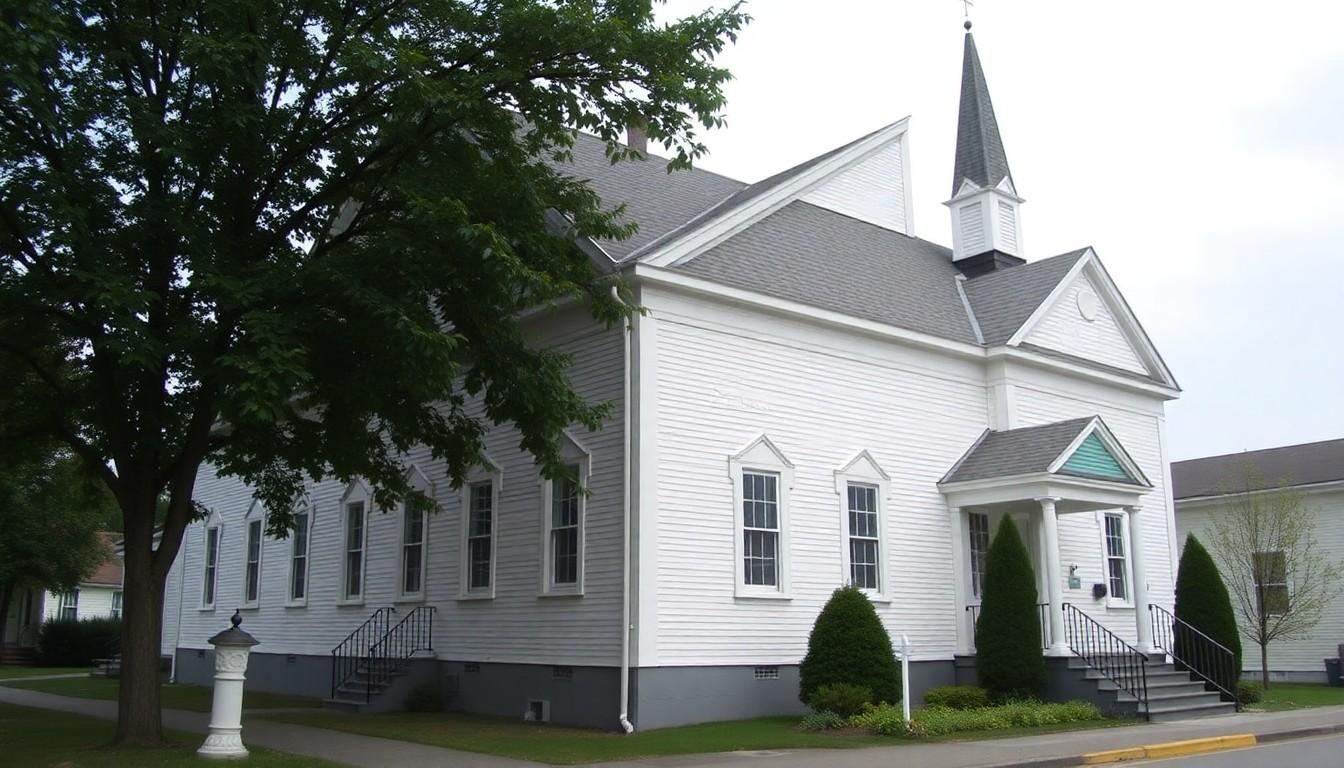
Noticing how communities remember their pioneers, readers are revisiting Maine’s faith history and spotting earlier examples of openly gay ministers , a reminder that welcoming congregations have been quietly shaping local life for decades. This matters to anyone tracking LGBTQ+ inclusion in religious leadership across Maine.
Essential Takeaways
- Early inclusion: Local congregations in Maine called openly gay ministers well before 1998, signalling long-standing welcome in some communities.
- Concrete example: King Street Unitarian Universalist Church in Augusta welcomed Douglas Strong as minister in the early 1980s; he served through much of that decade.
- Continuity today: That congregation later merged into the Unitarian-Universalist Community Church of Augusta and still promotes an “open and affirming” ethos.
- Community impact: Members recall honest conversations and thoughtful calls that prioritised pastoral fit over marital status, giving services a warm, accepting feel.
- Why it matters: These local histories reshape narratives about when and how religious institutions embraced LGBTQ+ leadership , and provide practical examples for other communities.
A small-town congregation that led by example
The strongest detail here is simple and vivid: parishioners remember dancing around a tough interview question, and a minister answering with honesty changed everything. According to a first‑hand letter, Douglas Strong was called by King Street Unitarian Universalist Church in Augusta and served as an openly gay minister starting in the early 1980s. That memory has texture , the nervous tone of an interview, the congregation’s decision, the relief and quiet pride afterwards. It’s a useful corrective to timelines that place the first openly gay clergy in Maine decades later.
The backstory matters because it highlights how close‑knit communities could be more progressive than national headlines suggested. Congregations like King Street judged leadership by pastoral gifts, not private life. For anyone piecing together the arc of LGBTQ+ inclusion in faith spaces, these local anecdotes are gold dust.
How mergers kept the welcome alive
Church communities change shape over time, and the King Street congregation merged with Winthrop Street Universalist to become the Unitarian-Universalist Community Church of Augusta. That continuity is important: merged congregations often carry traditions and values forward, and in this case the “open and affirming” stance appears to have survived intact.
That matters practically , mergers can erase institutional memory, but they can also preserve values. If you’re researching churches with an inclusive culture, look beyond founding dates to recent mission statements and congregational life pages that show active welcome and ministry teams.
Why parishioners’ memories count
Personal recollections , like that of a long‑time member who joined in 1983 and later wrote in to correct a public timeline , are vital archival pieces. They reveal how decisions played out in pews and kitchens, not just in press releases. People remember the nervous humour in an interview and the committee’s choice to call someone despite sexuality; those human moments illustrate institutional courage.
For historians or curious locals, a good next step is to contact congregations directly. Many churches maintain history pages, staff bios and mission statements that confirm both past leadership and present values, helping you cross‑check memories against records.
What this reveals about trends in Maine faith life
If national narratives place milestones at particular dates, community histories often spread those milestones further back. Maine’s religious life shows pockets of early inclusion: congregations that welcomed LGBTQ+ ministers quietly, then built cultures where sexuality is simply not an issue. That pattern echoes broader shifts in liberal faith traditions across the US, where Unitarian Universalist and some United Church of Christ communities led the way.
Practical tip: when evaluating a church for inclusivity, check current statements, look at minister and staff bios, and ask about congregational life , you’ll get a feel for whether inclusivity is a slogan or a lived practice.
Looking ahead: why these stories still matter
These local corrections matter because they restore credit to congregations and people who modelled hospitality before it became widely celebrated. They also give hope: if small communities could make these choices in the 1980s, then change is possible anywhere today. For families, LGBTQ+ people and allies seeking spiritual homes, the takeaway is practical and emotional , some doors have been open for a long time.
It’s a small but meaningful piece of history that reassures and invites further inquiry.
Source Reference Map
Story idea inspired by: [1]
Sources by paragraph: