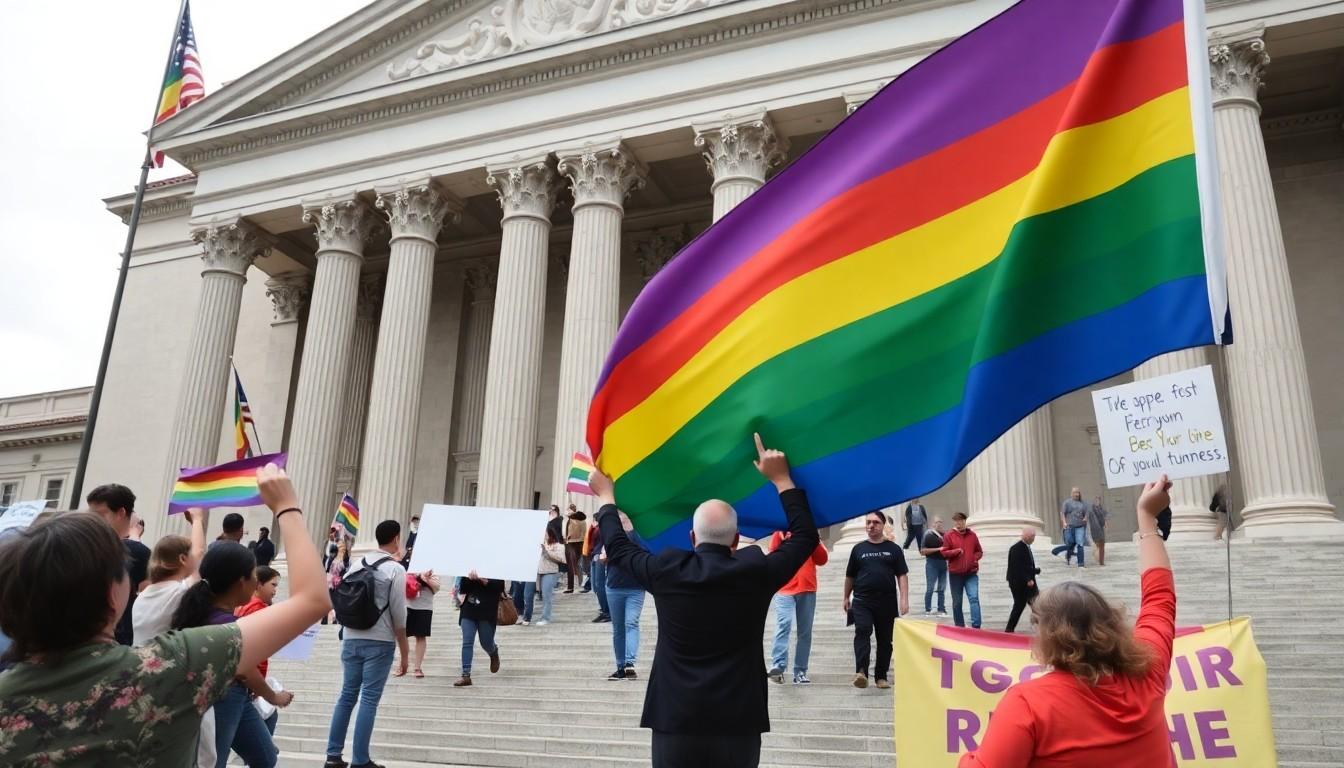
Shoppers of history and rights-watchers are drawn to this clear timeline of LGBTQ milestones, tracing moments from early colonial laws to a landmark 2026 Supreme Court decision; it shows who fought, what changed, and why these shifts matter today for politics, health, military service and marriage.
Essential Takeaways
- Origins: Early U.S. laws criminalised sodomy, with punishments evolving from death to long sentences and repeated legal confusion.
- Organising: The first U.S. gay rights groups appeared in the 1920s–1950s, offering cautious community and early activism.
- Legal shifts: Key court decisions, from One, Inc. to Lawrence v. Texas and Obergefell, repeatedly reshaped rights and visibility.
- Setbacks and gains: Policies like the Lavender Scare, “Don’t Ask, Don’t Tell,” DOMA and recent rulings show progress has been uneven and contested.
- Everyday impact: Changes in federal and state law affect jobs, healthcare, family formation and public safety, practical concerns for LGBTQ people now.
How colonial and early state laws set the stage
From the very start, sex between consenting adults of the same sex was treated harshly, often as a capital offence with a grim, public feel. Legal codes inherited from English common law criminalised sodomy across colonies and early states, and penalties swung between execution, imprisonment and forfeiture. That back-and-forth created decades of legal uncertainty for people whose private lives were policed by statutes designed for a very different moral age. For readers, this matters because it shows how deeply embedded legal control over sexuality was, long before modern activism pushed back.
The slow birth of organised activism, and the era before Stonewall
Even before the 1969 riots in New York, people gathered to resist. Small organisations such as the Society for Human Rights in the 1920s and the Mattachine Society and Daughters of Bilitis in the 1950s began offering mutual support and political pressure, often in clubs, newsletters and cautious public-facing campaigns. According to historical overviews, these groups operated in a cautious, conversational tone, part refuge, part early lobbying effort. If you’re trying to understand contemporary activism, it helps to remember that many strategies, community building, legal appeals, publishing, were honed in these quieter decades.
Stonewall, visibility and a new movement
The Stonewall uprising in 1969 is widely credited with energising a modern, visible gay rights movement, and for good reason: the resistance to a police raid felt immediate and electric, a visceral turning point that propelled Pride and national organising. Stonewall’s force came from both anger and solidarity; it changed how people thought about public protest and identity politics. History sites and timelines emphasise the moment as a catalyst, but it’s also important to note the continuity, Stonewall built on earlier organising and immediately inspired new groups, demonstrations and political demands.
Legal wins, losses and the long arc of court decisions
Court rulings and federal actions have repeatedly remade the legal landscape. Milestones include One, Inc. establishing mailing rights for gay publications, the 1973 declassification of homosexuality as a mental illness, Lawrence v. Texas striking down sodomy laws in 2003, and Obergefell in 2015 legalising same-sex marriage nationwide. Yet setbacks have been real: the Lavender Scare of the 1950s purged federal workers; DOMA in 1996 and Proposition 8 in 2008 restricted marriage rights; and the 2026 Chiles v. Salazar decision represents a recent setback where the Supreme Court ruled against a state’s conversion therapy ban, affecting protections in many jurisdictions. For anyone weighing rights today, these rulings underline how legal protections can expand and contract with the court’s make-up and societal currents.
Policy battles that touch everyday life, military, healthcare and family
Shifts in policy haven’t been abstract. The Department of Defense bans and later the Don’t Ask, Don’t Tell policy governed whether service members could be open, costing careers and livelihoods; the Reagan and later responses to HIV shaped healthcare access and stigma; adoption and family law changed incrementally, state by state, until federal rulings normalised more equal access. Practical advice: if you or a loved one depends on employment protections, medical care or parental rights, check both state and federal rules, because what’s allowed in one state may be restricted in another, and recent court decisions can ripple fast.
Why the timeline matters now and where things might go
Timelines do more than list dates; they map a pattern of persistence, backlash and adaptation. From secretive organising in the mid-20th century to public advocacy, legal strategy and cultural visibility, each era reshaped the options people could imagine for their lives. Recent rulings show the fight isn’t over, and historians note that movements often shift tactics, litigation, lobbying, cultural work, depending on political opportunity. For readers, that means voting, local activism and community support still shape outcomes in tangible ways.
It's a small change that can make every right feel more secure.
Source Reference Map
Story idea inspired by: [1]
Sources by paragraph: