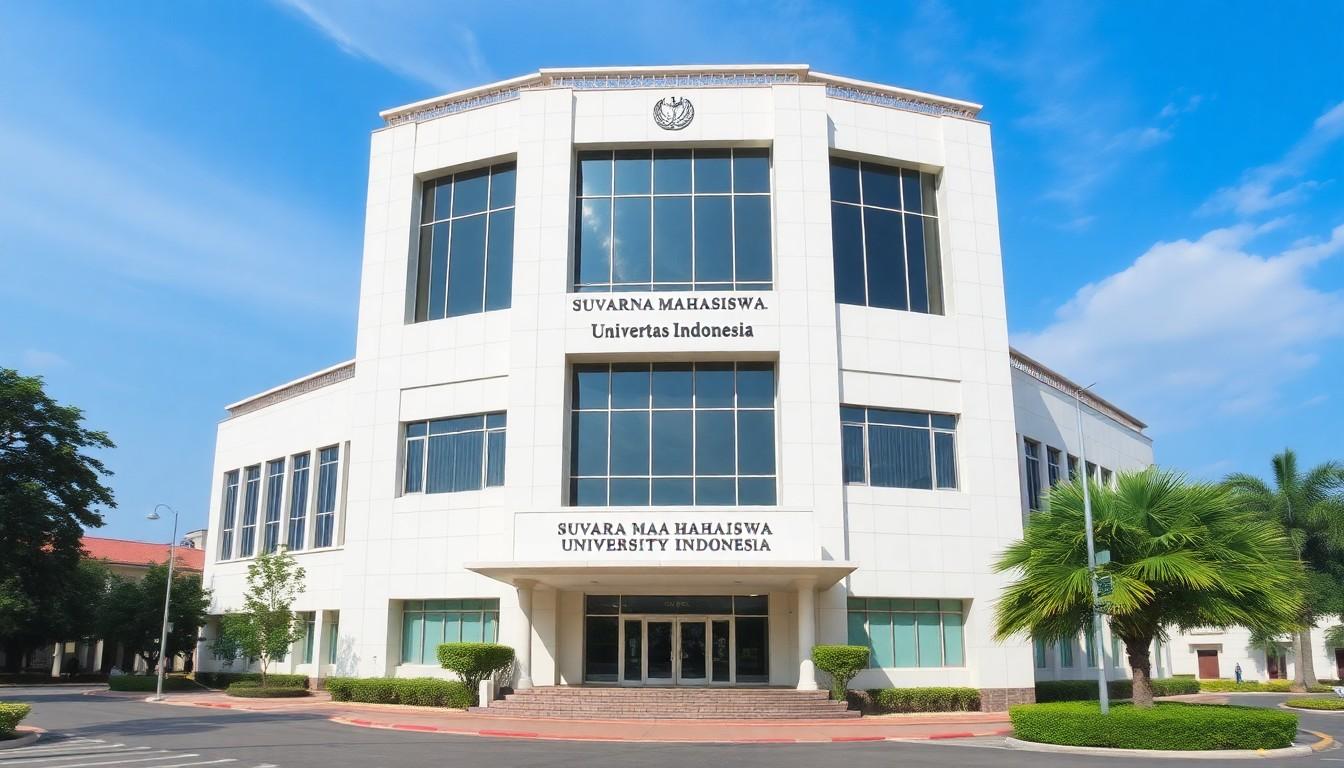
Shocked students and rights advocates say campus debate over an article on LGBTIQ+ life became a flashpoint for wider freedom‑of‑speech concerns, as a major Indonesian university pulled a student piece after digital attacks , a trend that matters for anyone who cares about campus journalism and academic safety.
Essential Takeaways
- Article removed: A student newsroom at the University of Indonesia took down a Pride Month piece after cyberbullying and threats, citing staff safety.
- Press bodies alarmed: Media watchdogs call the takedown a violation of free expression and warn of a chilling effect on student reporting.
- Wider climate: Religious leaders’ anti‑LGBT rhetoric and local bylaws have increased pressure on gender‑diverse communities and those who report on them.
- Practical risk: When student outlets are silenced, vulnerable voices lose protection and investigative learning opportunities shrink.
What happened on campus and why it feels urgent
A student newsroom at the University of Indonesia published a piece exploring discrimination against LGBTIQ+ people, then removed it after what staff described as online harassment and threats. The decision to pull the story was framed as a safety measure, but it landed as a big embarrassment for a state university that should be sheltering debate. The sense you get is one of retreat: student journalists retreating from a conversation that ought to happen on campus.
How press groups and rights advocates reacted
Jakarta‑based media advocates and national journalist alliances were blunt. The Legal Aid Institute for the Press said the takedown lacked legal basis and risks silencing student voices, while the Alliance of Independent Journalists called the move an “alarming misuse of campus authority.” Those groups argue this isn’t a private squabble , it’s about the role universities play in protecting free inquiry. For students, the message is chilling: cover contentious social issues at your peril.
The broader social and political context
This episode didn’t arise in a vacuum. Indonesia has seen vocal opposition to LGBTIQ+ visibility from influential religious bodies, and local laws in some provinces have been used to police gender and sexuality. Human Rights Watch and other observers have documented raids, arrests and humiliation of suspected LGBT gatherings in recent years. Against that backdrop, reporting about discrimination can quickly invite pressure from conservative actors on and off campus.
Why student journalists matter , and why this is worrying
Student newsrooms are training grounds where young reporters learn to ask uncomfortable questions and document injustice. When a campus outlet retreats after a backlash, it’s not just one story that vanishes; it’s an educational moment lost. Universities should be places where critics and marginalised voices can be heard safely, yet the reaction here suggests administrators may prioritise reputational calm over protecting inquiry.
Practical steps universities and students can take
Universities need clear policies that protect student journalism and outline protocols for credible threats. Student editors should have access to legal advice, digital security training and mental‑health support when targeted online. Meanwhile, press bodies can help by offering mediation through recognised councils rather than letting matters be resolved via informal campus pressure. Small, practical moves , who to call, how to document threats, where to get representation , make a big difference.
It's a small change that can make every campus conversation safer and fairer.
Source Reference Map
Story idea inspired by: [1]
Sources by paragraph: