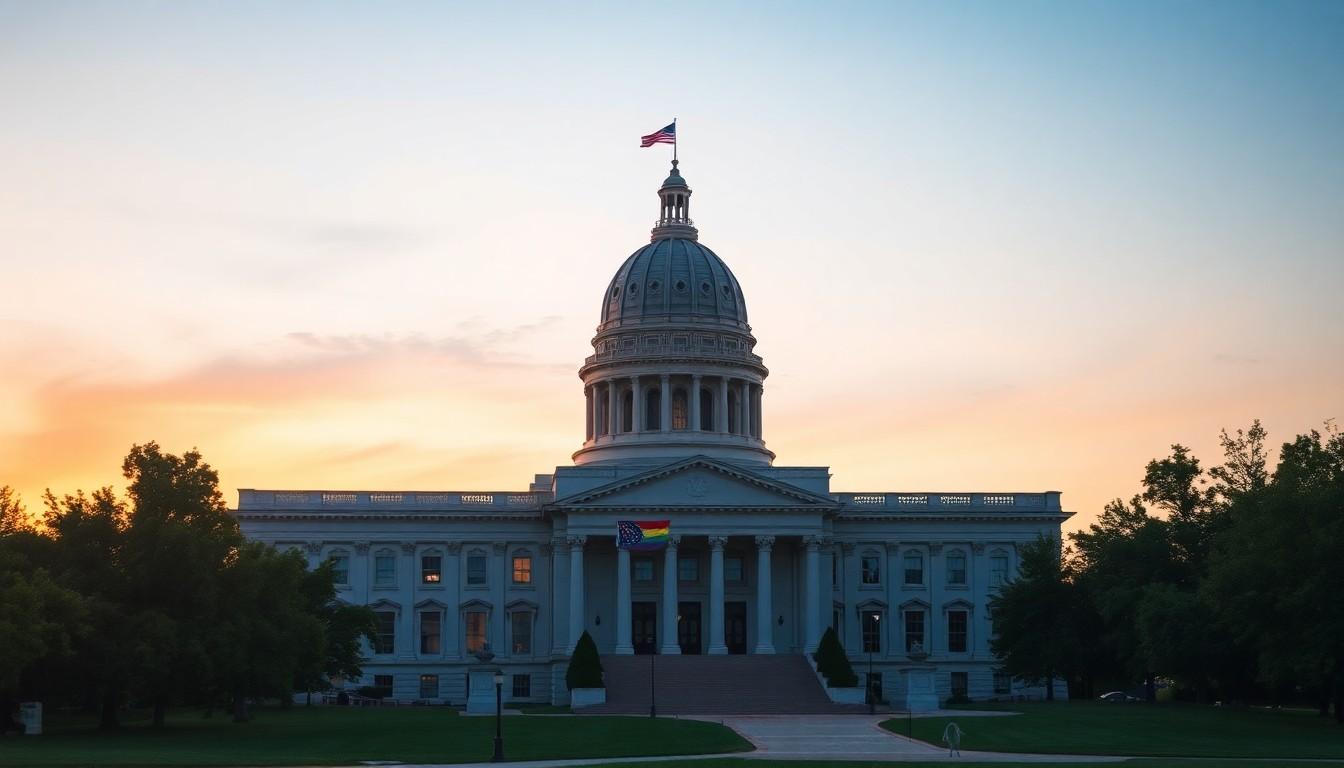
Shoppers , sorry, voters , are noticing a wave of June proclamations across Republican-led states that swap out Pride Month for conservative-friendly labels; governors in Alabama, Arkansas, Indiana, Nebraska, Tennessee and Utah have used phrases like “Nuclear Family Month,” “Strong Families Month” and “Fidelity Month,” a symbolic move that has provoked activists and national debate.
Essential takeaways
- Who’s involved: Several Republican governors have issued ceremonial proclamations renaming June with family-focused labels, including Tennessee, Indiana, Nebraska, Alabama, Arkansas and Utah.
- What it says: Some proclamations explicitly define family as “one husband, one wife, and children,” while others emphasise fidelity, faith or parental roles.
- Tone and impact: These are symbolic declarations, not laws, but they send a public message and can feel exclusionary to LGBTQ+ communities.
- Public response: LGBTQ+ advocates and national outlets have called the moves disappointing and potentially erasing; the choices have sparked social media backlash and local pushback.
- Practical note: If you’re organising Pride events or community support this June, expect heightened visibility and possibly stronger local mobilisation.
Why governors are rebranding June , and what they hope to gain
The strongest fact is plain: these proclamations are political signalling wrapped in ceremonial language, and they smell of culture-war theatre. Republican governors who issued the declarations framed them as celebrations of marriage, parenting and faith. Backstory: some officials say they’re simply promoting “family values,” while conservative commentators have dubbed the moves “counter-programming” to Pride Month. According to reporting in national outlets, the language sometimes invokes “God’s design,” which makes the declarations read less like neutral civic calendar choices and more like moral endorsements. This trend taps into broader cultural debates about gender, sexuality and public recognition. For voters who prefer explicit affirmations of traditional family models, the proclamations are a visible act of alignment. For others, they’re exclusionary statements that erase queer histories and struggles. If you live in one of the affected states, expect local civil-society groups to respond with events, statements and solidarity actions this June.
How declarations differ , “nuclear family” vs “fidelity” vs “strong families”
There’s variety in the labels and wording, and the differences matter to how each message lands. Tennessee and Indiana used “Nuclear Family Month” with explicit definitions of family composition, while Arkansas and Utah opted for “Fidelity Month,” a looser phrase emphasising loyalty, faith and country. Alabama picked “Strong Families Month,” with language that highlighted fathers’ roles. Nebraska named June “Marriage and Family Month.” Context: some governors who previously acknowledged Pride have shifted tack; Utah’s move is notable because its governor previously marked Pride. Media outlets including regional papers and national news organisations have pointed out that the new labels range from narrowly prescriptive to more ambiguous. For readers parsing the nuance: a proclamation that defines family in biological or heteronormative terms is more likely to feel like an explicit rebuke to Pride than one that speaks generically about fidelity or family stability. If you’re tracking civic signals in your state, look at the exact wording , it tells you whether a proclamation is primarily symbolic or designed to provoke.
What critics and advocates are saying
The pushback has been immediate and textured. LGBTQ+ advocates describe the rebrands as attempts to erase marginalised communities and to divert attention from issues such as youth mental health and discrimination. Public-health data cited by commentators highlights mental-health disparities among LGBTQ+ youth, underscoring why Pride Month is more than celebration for many. Meanwhile, some elected officials and supporters argue they’re simply elevating marriage and parenting, not attacking other families. National reporting highlights both camps: some Republicans insist the proclamations aren’t meant to exclude, while social-media posts from certain lawmakers have been far more explicit. Practical takeaway: if you support queer visibility, expect to find local Pride events and fundraising drives intensified in response; if you prefer family-centred messaging, you’ll see allied groups foregrounding parenting programmes and faith-based activities.
How this plays out locally , events, visibility and community responses
On the ground, proclamations don’t change law, but they shape the tone of the month and the calendar of events. In many cities and towns, Pride parades, concerts and community resource fairs will still proceed, but organisers say the rebrands can drain municipal goodwill or complicate permit conversations. Community groups are turning rhetoric into action: some are leaning into visibility efforts, others are using the moment to double down on support services for at-risk youth. Reporting from outlets covering the story shows examples of local organisers issuing statements, scheduling vigils and holding fundraisers in direct response. If you’re planning to attend or support events this June, check local calendars, volunteer listings and charity pages , groups often ramp up needs in response to newly polarised months. My sense is that symbolic fights like this tend to energise supporters on both sides, which means more events, more conversations, and, for many people, a louder public July when the dust settles.
What to watch next , politics, polling and potential fallout
Look for three things: whether the rhetoric filters into policy debates, shifts in local election messaging, and how advocacy groups respond financially and organisationally. Media coverage suggests the declarations are mainly symbolic now, but if they become talking points in campaigns or local school-board discussions, the effects could be longer lasting. Polling and opinion pieces indicate this is a mobilisation tactic as much as a statement of belief; expect pushback to translate into increased donations and volunteer sign-ups for Pride-linked causes. Coverage in national outlets has already amplified local reactions, so the reputational stakes are high. For citizens: attend a community meeting, follow local advocacy groups, and if you’re moved, donate time or money , symbolic months matter when they lead to real-world support. Politics aside, the conversation is a reminder that civic language shapes who gets seen and who feels safe.
It’s a small change with big signal value , and a reminder that June will be busy, loud and politically charged in many states.
Source Reference Map
Story idea inspired by: [1]
Sources by paragraph: