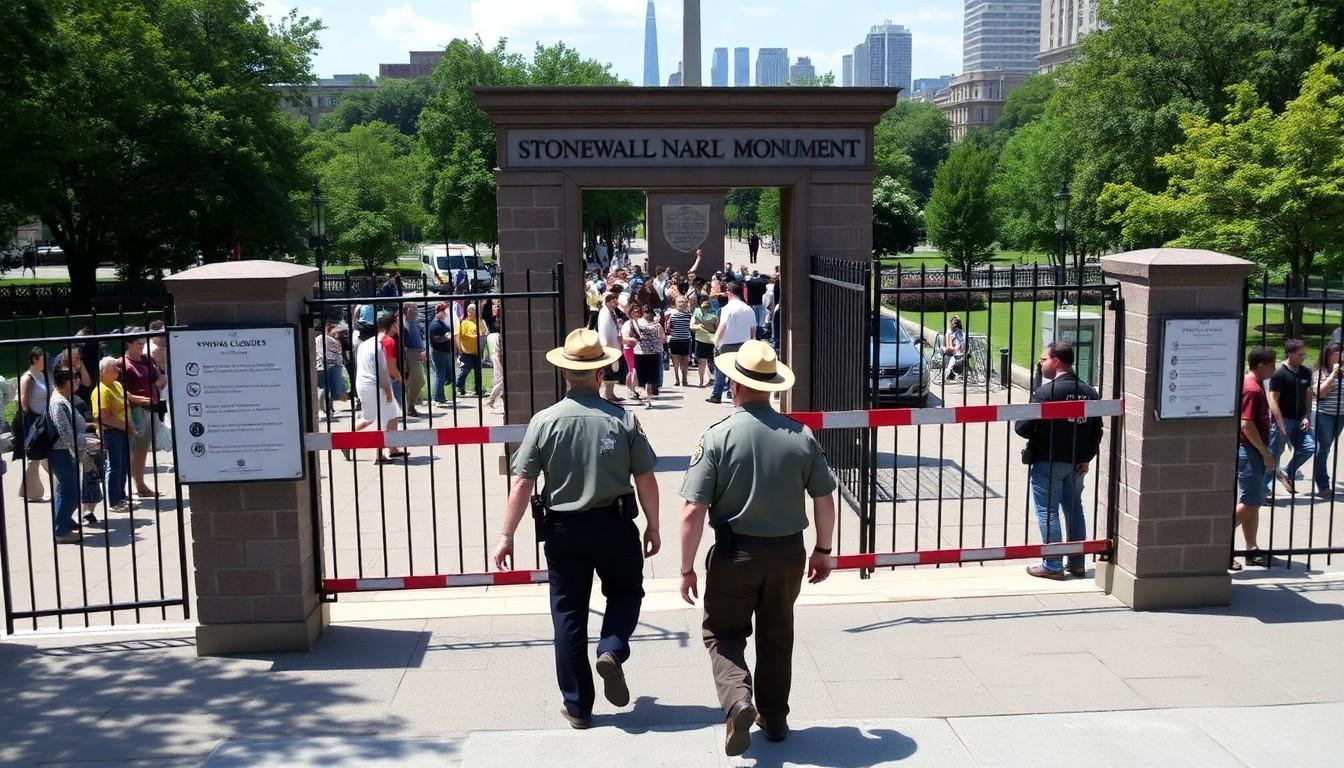
Shoppers are turning to history and wild beaches alike: two New York City sites managed by the National Park Service, Stonewall’s Christopher Park and Jacob Riis Beach, hold deep queer meaning, but official stewardship often flattens living resistance. Here’s why both places still matter, and how to experience them with respect.
Essential Takeaways
- Historic heartbeat: Christopher Park and the Stonewall Inn are central to the 1969 uprising and remain a powerful memorial with a visitor centre and ranger presence.
- Sensory memory: Witnesses recall the full moon, heavy humidity and the park’s leafy hush as part of what made the revolt feel electric and communal.
- Unruly refuge: Jacob Riis Beach has long been a queer space, sandy, loud and permissive, where people forged joy, intimacy and solidarity away from the city’s bars.
- Tension with management: National Park Service policies, early gate closures, surveillance and commercial leases, can limit spontaneity and exclude marginalised community members.
- Practical visit tips: Arrive early, respect current rules, seek community-led events, and consider Riis for a less institutionalised, more unruly remembrance.
Why the moonlit Stonewall moment still hums with atmosphere
The most arresting detail about the Stonewall uprising is sensory: veterans remember a full moon and close, humid air that made the night feel electric. That mix of light, heat and movement created an almost mythic scene where people who had been pushed to the margins gathered and, crucially, refused to disperse. According to encyclopaedic accounts and National Park Service background material, the park, the bar and the street formed a tight public stage for protest. Over time Stonewall has been enfolded into national memory, formalised as a monument and given a visitor centre, so the site now reads as both shrine and storytelling space. That official frame helps preserve facts and images, but it can also soften the chaotic, insurgent quality that made the event transformative.
Christopher Park today: memorial, ranger, and the limits of preservation
Walk into Christopher Park and you’ll see plaques, curated text panels and a ranger on duty, touchpoints that tell an important story and welcome curious visitors. The National Park Service provides interpretive resources and manages the site to ensure longevity and accessibility. Yet management choices matter. Early gate closures, curated narratives and periodic edits to language on official pages can make the park feel less like an unruly public commons and more like a carefully tended museum. For queer elders and unhoused people who once used the park as nightly refuge, those changes can feel like exclusion rather than stewardship.
Riis Beach: the shoreline where queer joy refuses to be sanitised
If Stonewall’s memory has been institutionalised, Riis Beach remains stubbornly wild. From the 1940s onwards, the far end of Jacob Riis became a place where queers could gather, kiss and sleep on the sand, and those memories persist today in oral histories and community testimony. The beach’s sensory life, salt wind, crashing waves, music blasting from beach radios, creates a different kind of freedom than an urban park ever could. The National Park Service folded Riis into the Gateway National Recreation Area, and that has meant more surveillance, rules pitched at a family ideal, and, in recent years, coastal projects that fence off historic spots. Still, many beachgoers call Riis “home” and defend it as a living site of queer culture and resistance.
Where stewardship and gentrification collide
Both sites show how federal management and commercial pressures can reshape public space. At Stonewall, changing exhibition language and locked gates can erase parts of the story that centre trans and gender non-conforming participants. At Riis, coastal resilience works and private leases, like a controversial plan to convert a historic bathhouse into a high-end club, risk privatising what’s been a communal shoreline for decades. National Geographic and park-conservation groups have noted a broader trend: LGBTQ+ historic sites are increasingly popular tourist draws, which creates money, attention and the temptation to sanitise stories for visitors and sponsors. For many queer locals, that sanitisation is part of a wider push that displaces the very people who made these places meaningful.
How to visit thoughtfully and keep queer memory alive
There are practical things you can do to honour both history and present-day communities. At Christopher Park, time your visit for daylight hours, read plaques and talk to rangers, but also listen to stories from local activists and elders. At Riis Beach, go beyond the boardwalk: explore the farther reaches, attend community-led gatherings and support grassroots efforts to keep access public. If you want to dig deeper, National Park Service resources and oral-history projects provide reliable context; community archives and independent historians offer more textured, unruly accounts. Above all, centre inclusion: seek out events that foreground Black, Brown and trans voices, and question commercial offerings that privatise shared spaces.
It's a small change that can make every visit both respectful and politically alive.
Source Reference Map
Story idea inspired by: [1]
Sources by paragraph: