Discover where beloved LGBTQ+ films were made and why these cinematic spots, from sleepy Italian villages to gritty LA streets, still matter for travellers seeking story-rich, culturally resonant experiences. Find practical tips for visiting, what to expect on the ground, and where to linger for the best photos and moods.
Essential Takeaways
- Iconic Italian summer: Crema and Lombardy offer sunlit squares, quiet cafés, and bicycling routes that echo Call Me By Your Name.
- Wind-swept drama: Quiberon Peninsula’s Port-Blanc provides the rugged sea arches and salty air of Portrait of a Lady on Fire.
- Wide-open escape: Alberta’s Kananaskis Country stands in for Brokeback Mountain’s alpine solitude , sturdy boots recommended.
- City chapters: From the Castro’s living history to Vauxhall’s clubland, films like Milk and All of Us Strangers anchor queer stories to real neighbourhoods.
Why film locations make queer stories feel lived-in
Great queer films don’t just tell private stories , they plant them in places you can visit, smell, and walk through. That olfactory nudge of espresso in a northern Italian square or the Atlantic spray on a Breton headland helps viewers feel the emotions on screen. According to travel round-ups, these settings often become quiet portals for fans wanting to connect with a film’s mood and characters.
Filmmakers pick places that amplify themes , isolation in the Yorkshire Dales, secrecy on a windswept French coast, or community in San Francisco’s Castro , and that choice changes how you read scenes. For travellers it’s less about ticking off shots and more about feeling the texture of the story.
Follow a sun-drenched summer through Lombardy (Call Me By Your Name)
Crema and surrounding Lombardy towns captured the languid, citrus-scented pace at the heart of Call Me By Your Name. Mornings here begin at tiny cafés, afternoons blur into long lunches, and quiet country lanes are best explored by bicycle. Local guides and Contiki-style itineraries now lead fans to the villa courtyards and olive-lined roads that inspired the film’s languor.
Practical tip: stay in a family-run guesthouse and rent bikes for a day; you’ll avoid the crowds and get the film’s slow rhythm. Expect warm stone, cicada-sweet heat, and a gentle sense of being slightly out of time.
Stand on the cliff where Portrait of a Lady on Fire found its sea
Portrait of a Lady on Fire owes much of its ache to the Quiberon Peninsula’s cliffs and the hollowed stone arch at Port-Blanc. The coast’s raw breeze and granite shapes create a cinematic tableau that looks as dramatic in person as it does on screen. Interiors came from a separate, 17th-century château an hour from Paris, so you get two distinct moods: windswept outdoors and austere, book-lined inside spaces.
If you go, bring layers and a camera with a wide-angle lens; the light changes fast and the sea smells sharp. Walk the coastal paths at golden hour for the best sense of the film’s quiet intensity.
The Rockies: Brokeback Mountain’s big skies and small revelations
Although set in Wyoming, Ang Lee filmed much of Brokeback Mountain in Alberta’s Rockies, where pine ridges and snow-scrubbed slopes create an almost spiritual vastness. Kananaskis Country offers the same sense of wide horizon and rugged solitude the film uses to explore forbidden intimacy.
Plan for outdoor activity: hiking, wildlife-spotting, and cold nights under brilliant stars capture the film’s atmosphere better than a museum tour. Bring good footwear, be bear-aware, and leave time to sit and watch the landscape change , that’s where the film’s mood lives.
Yorkshire’s tactile intimacy in God’s Own Country
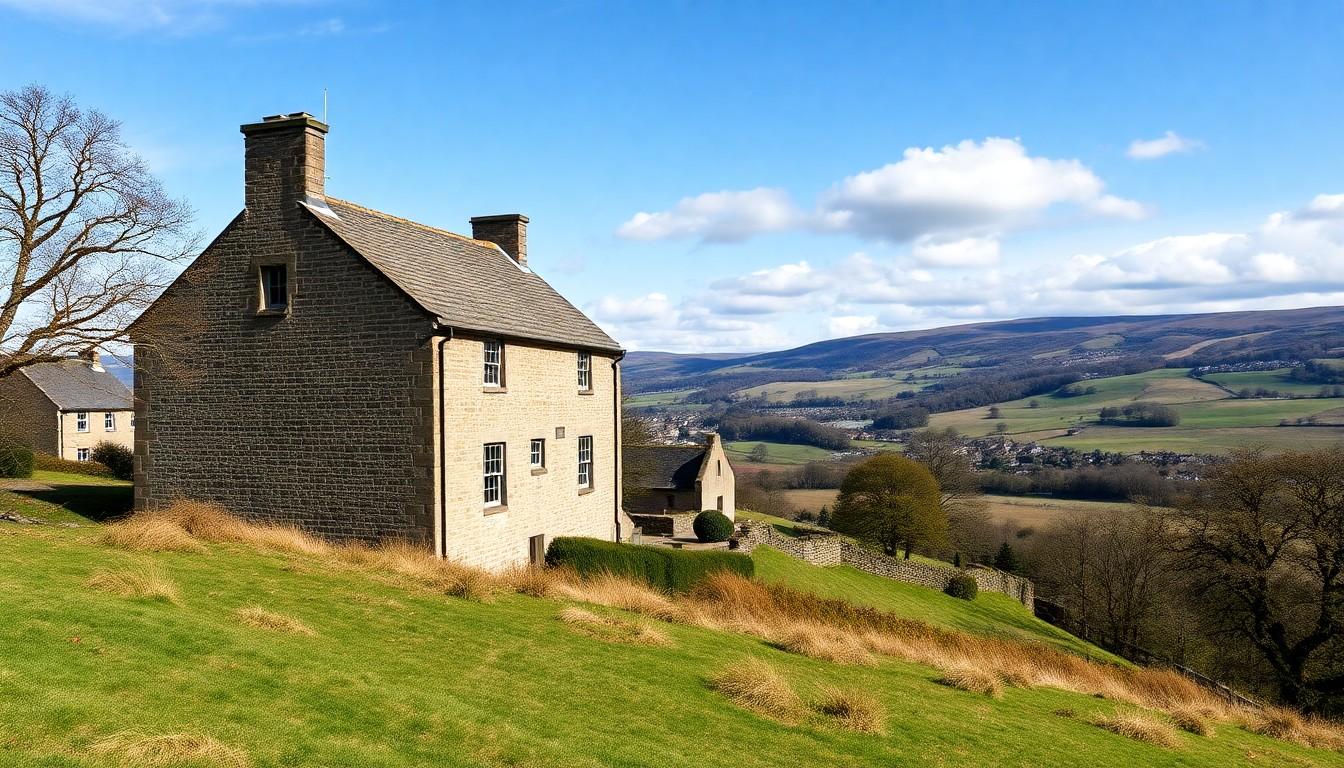
God’s Own Country is rooted in the Yorkshire Dales , damp stone walls, sheep-filled fields, and the tactile labour of farming. The landscape is never background here; it’s a character that shapes behaviour and mood. Visiting the Dales means encountering the same weathered barns and single-track lanes where the film’s tender, awkward scenes unfold.
Local B&B owners often share lambing stories in low voices, and you’ll want a waterproof jacket and patience for narrow lanes. There’s comfort in the plainness: working landscapes can be as cinematic as palaces.
From Sydney pubs to the Outback: Priscilla’s theatrical road trip
The Adventures of Priscilla, Queen of the Desert stitches together Sydney’s queer nightlife with the astonishing open country of Broken Hill and Coober Pedy’s otherworldly opal fields. Start at the Imperial Hotel in Erskineville to soak in drag-show history, then drive through towns that double as set pieces , motel neon, flour-dusted roads, and red-rimmed horizons.
Practical note: distances are huge, and services thin; plan fuel stops and overnight stays carefully. The payoff is cinematic colour, theatrical hotel interiors, and communities proud of their on-screen cameo.
Walk history: Milk in San Francisco and Paris Is Burning in New York
San Francisco’s Castro District is both setting and actor in Milk, its streets and community institutions steeped in queer political history. Plaques, the Castro Theatre, and rainbow memorials make for reflective visits that connect film to real-world activism. Likewise, Paris Is Burning points you toward Harlem and Manhattan intersections where ballroom culture bloomed , sites that still pulse with creativity and influence.
When you visit, treat these neighbourhoods respectfully: they’re living communities, not film sets. Look for community-led tours or museums to deepen context and support local preservation.
Small London scenes with big feeling: All of Us Strangers
Andrew Haigh’s All of Us Strangers makes Vauxhall and suburban Croydon feel like the emotional map of a life. The Royal Vauxhall Tavern remains a landmark of queer nightlife, and suburban streets filmed for the movie offer an unexpected, intimate London away from the tourist trail. The film reminds you that queer history and ordinary life often intersect in modest places.
If you’re touring, combine a club-night visit with a stroll through lesser-known neighbourhood parks and period housing; it’s the contrasts that give the film its heart.
How to plan a queer-film pilgrimage with sense and sensitivity
Start by reading a bit about the place beyond its on-screen moments , local history, contemporary communities, and access issues. Respect private properties and remember many interiors were shot in private homes or closed estates. Book local guides where possible; they’ll give you the best context and keep your visit sustainable.
Also, match the visit to the film’s tone: slow down for Call Me By Your Name, hike patiently in the Rockies, and arrive at evening for the nightlife scenes in Castro or Vauxhall. Small gestures , buying a coffee from a café used in a film, tipping a local guide , make these pilgrimages feel reciprocal.
It's a small change that can make every reel worth revisiting in real life.
Source Reference Map
Story idea inspired by: [1]
Sources by paragraph: