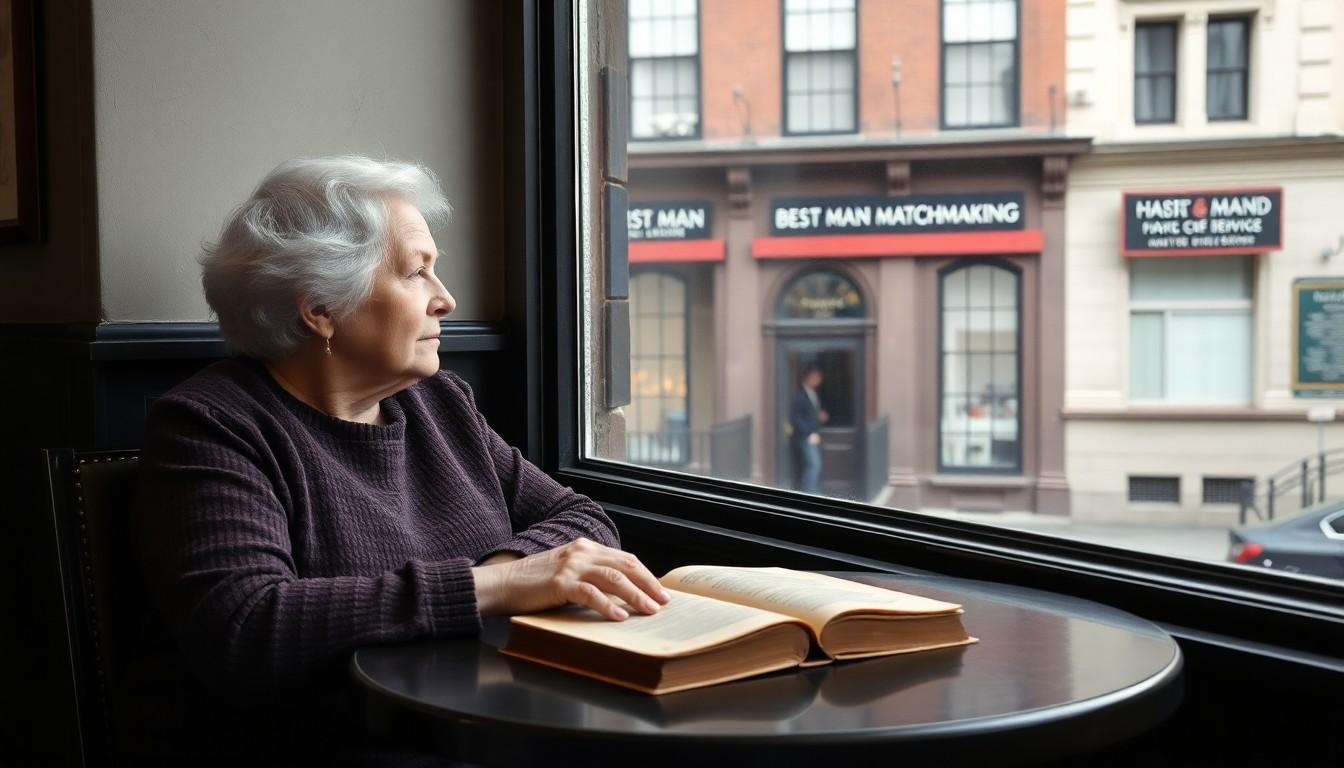
Shoppers are turning away from endless swiping and paying for human-led matchmaking, curated mixers, and queer-focused events that actually get people talking face-to-face , a shift that matters for busy, serious daters who want something beyond apps.
Essential Takeaways
- Premium, personalised service: LGBTQ-focused matchmakers offer vetting, coaching, and curated introductions that apps rarely provide.
- Tangible social energy: In-person mixers and speed-dates feel lively, less transactional, and often smell like coffee and nervous laughter rather than algorithmic deja vu.
- Time well spent: Professionals target busy singles, mid-career or parenting, who don’t have hours to scroll.
- Cost vs. value: Prices can run into the thousands, but many clients report faster, more intentional outcomes compared with months on apps.
- Do your homework: Vet credentials, ask for success stories, and be clear about what you want before signing up.
Why queer matchmaking is finally having its moment
The most immediate thing you notice is how much quieter it is without phones buzzing at the table; matchmaking brings the human back into dating, and that feels refreshing. Out’s reporting shows queer matchmakers are filling a gap left by dating apps, especially for people who want more than one-night stand navigation or endless profile browsing. Many services still feel boutique , lots of vetting, long intake calls, and an emphasis on personality over pixel-perfect photos. If you’re exhausted by swipe fatigue, this is the obvious, slightly indulgent alternative.
What you actually pay for , and what you get
Matchmaking isn’t just introductions; it’s scouting, screening, and, crucially, coaching. Practitioners describe turning clients’ lives into dating-ready portfolios: new hobbies, social circles, and clearer desires. That means the fee covers emotional work as much as logistical work, someone’s making sure you show up as a full person, not a list of dealbreakers. Events and mixers sit lower on the price ladder but still offer curated chemistry: think fewer randoms, more likely matches, and a smoother first impression without the awkward DM warm-up.
How events and mixers change the rules of engagement
There’s a different rhythm to offline dating: speed-dates, “date my friend” nights, and local queer mixers put you in the same room with people who are actually trying. Hosts often double as connectors and gatekeepers, which raises the chance you’ll meet someone genuinely compatible. It’s more theatrical than apps, there can be PowerPoint pitches and a little performative charm, but it works for people who are tired of digital stall tactics. Expect to leave with real names and plans, not just unread messages.
Who benefits most , and who should be cautious
The typical client tends to be busy, intentional, and ready to invest both time and money. Parents, mid-career professionals, and people who dislike club or app culture report better outcomes. But don’t throw caution to the wind: experts advise checking credentials, asking for references or client stories, and being clear about guarantees. Not every matchmaker is equal; look for experience with LGBTQ clients and a process that feels thorough rather than salesy.
Practical tips for choosing the right route
Start by defining what “success” looks like for you , companionship, marriage, or casual romance , and pick a provider that aims for the same thing. Ask matchmakers how they source candidates and what the vetting process involves. For events, look into attendee demographics and reviews so you’re not the only person under 40 in the room. Finally, treat it like any other investment: set a budget, test a lower-cost event first, and then scale up if the approach suits your style.
It's a small change that can make every date feel more intentional and less like a numbers game.
Source Reference Map
Story idea inspired by: [1]
Sources by paragraph: