Shoppers are streaming and cinemas are filling as queer coming-of-age cinema enjoys a bright moment; whether you loved Hayley Kiyoko’s Girls Like Girls or you’re just craving tender, messy stories of first love and self-discovery, here are the essential films , vivid, varied and deeply human , to watch next.
Essential Takeaways
- Timeless tenderness: Beautiful Thing and Show Me Love offer warm, affective portraits of first love, with a soft, hopeful tone.
- Sharp satire and bite: But I’m a Cheerleader and Bottoms mix comedy with critique, both feeling fresh and riotous.
- Hard-hitting realism: Pariah and The Miseducation of Cameron Post confront family and institutional rejection with emotional force.
- Quiet, sensory storytelling: The Way He Looks and Princess Cyd use small moments and soundtracks to convey identity and intimacy.
- Modern classics: Moonlight and Call Me by Your Name remain essential for their cinematic craft and emotional depth.
Why Beautiful Thing still matters , gentle, working-class romance
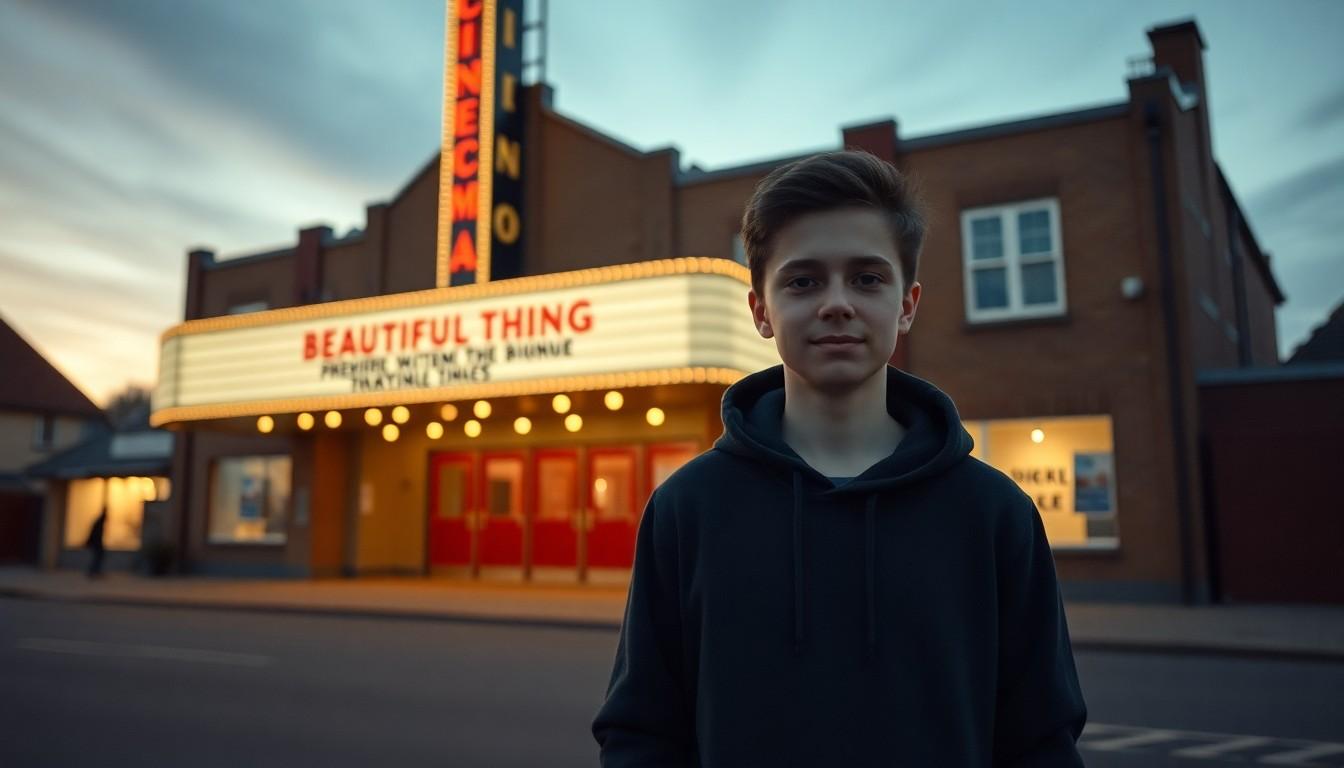
Beautiful Thing is a small, warm film that feels like a memory you want to keep: hazy summers, sticky-sweet streets and a first love that slowly unpeels a shy, closeted life. Critics have long praised its tenderness, and Roger Ebert’s take highlights how rare uplifting queer romances were on screen when it arrived. For anyone who loved the intimate summers in Girls Like Girls, this one’s a natural follow-up , it’s comforting, sweet and quietly radical in its refusal to punish its protagonists.
Practical tip: look for the rental versions; the film’s cosy production design and soundtrack reward a late-night rewatch.
Want camp with teeth? Try But I’m a Cheerleader
Jamie Babbit’s satire flips conversion therapy into acid comedy and vivid colour palettes, making its critique both funny and pointed. Fueled by Natasha Lyonne’s awkward charm and cameos that read like queer history lessons, the film lampoons the idea that desire can be “fixed.” Time Out and Rotten Tomatoes note the movie’s cult status , it’s still clever, still sharp, and still a riot.
Practical tip: watch with friends who appreciate satire; the jokes land best when you can laugh and then talk about the darker reality behind them.
When grit is necessary: Pariah and The Miseducation of Cameron Post
If you want honesty that stings, Dee Rees’s Pariah and Desiree Akhavan’s Cameron Post hit different parts of the heart. Pariah’s portrait of a Black butch teenager claiming selfhood is intimate and unflinching, while Cameron Post digs into the machinery and cruelty of conversion therapy with chilling clarity. Both films remind you why representation that includes struggle is vital , these stories don’t comfort, they witness.
Practical tip: schedule these for an evening when you can sit with the emotions afterwards; both films linger.
Moonlight and Call Me by Your Name , cinematic craft meets longing
These two films elevated queer coming-of-age stories into mainstream, awards-focused cinema for very good reasons. Moonlight’s three-part, lyrical study of Black masculinity and queerness is devastating and precise, while Call Me by Your Name is a slow, sensual ode to first desire and memory. They’re very different in tone , one plangent and searing, the other languid and incandescent , but both stay with you.
Practical tip: if you loved Girls Like Girls’ emotional clarity, that same lingering ache is what these films are built to deliver.
Smaller, rich pleasures: The Way He Looks, Princess Cyd and The Half of It
Not every coming-of-age movie needs to be big to be moving. The Way He Looks brings tenderness and a thoughtful perspective by centring a blind protagonist navigating romance, while Princess Cyd prefers feeling over plot, letting relationships and quiet moments do the work. Alice Wu’s The Half of It rewrites Cyrano with bright intelligence and aching yearning , perfect if you want clever dialogue and emotional precision.
Practical tip: these are great double-features if you want lighter, calmer nights between heavier titles.
New-wave queer hits: Bottoms and I Saw the TV Glow
Recent years have broadened the palette: Bottoms approaches teenage sapphic desire with anarchic humour and anarchic set pieces, while I Saw the TV Glow uses genre and surrealism to dramatise dysphoria and identity rupture. If you appreciated Hayley Kiyoko’s modern sensibility in Girls Like Girls, these films capture that same restless, now-oriented energy.
Practical tip: Bottoms is cathartic and loud; Glow is uncanny and thoughtful , pick depending on whether you want to laugh or to be unsettled in a good way.
How to build your queer coming-of-age watchlist
Start with a mood: craving warmth? Try Beautiful Thing and The Way He Looks. Want satire or high-energy comedy? But I’m a Cheerleader and Bottoms are your picks. For tougher, necessary viewing, slot in Pariah and The Miseducation of Cameron Post. And always leave room for Moonlight or Call Me by Your Name when you want filmmaking that feels like an experience rather than just a story.
Practical tip: mix eras , a 1990s title plus a 2010s classic plus a 2020s pick gives texture and shows how queer stories and tones have grown.
It's a small change that can make every coming-of-age story feel more like company.
Source Reference Map
Story idea inspired by: [1]
Sources by paragraph: