Shocking leaks of a man’s HIV status and sexuality after a police arrest have pushed him to seek compensation from the Gujarat government , a case that raises questions about privacy, stigma and the legal protections people living with HIV can actually rely on.
Essential Takeaways
- Legal claim: The petitioner is seeking exemplary compensation, alleging police and officials disclosed his HIV status and sexuality to media while he was in custody.
- Serious fallout: He says the disclosure triggered social ostracisation, loss of livelihood and forced closure of a school he founded, along with family isolation and verbal abuse.
- Statutory shield: The petition relies on the HIV and AIDS (Prevention and Control) Act, 2017 and Article 21 privacy principles to argue for heightened protection of medical data.
- Precedent and remedies: Indian courts have in recent years ordered compensation for breaches of HIV confidentiality and condemned public naming of victims in sensitive cases.
- Practical tip: If your health information is leaked, document harms, preserve media clippings and seek legal counsel quickly , privacy breaches can be actionable and can justify interim relief.
Why this Gujarat lawsuit landed in court now
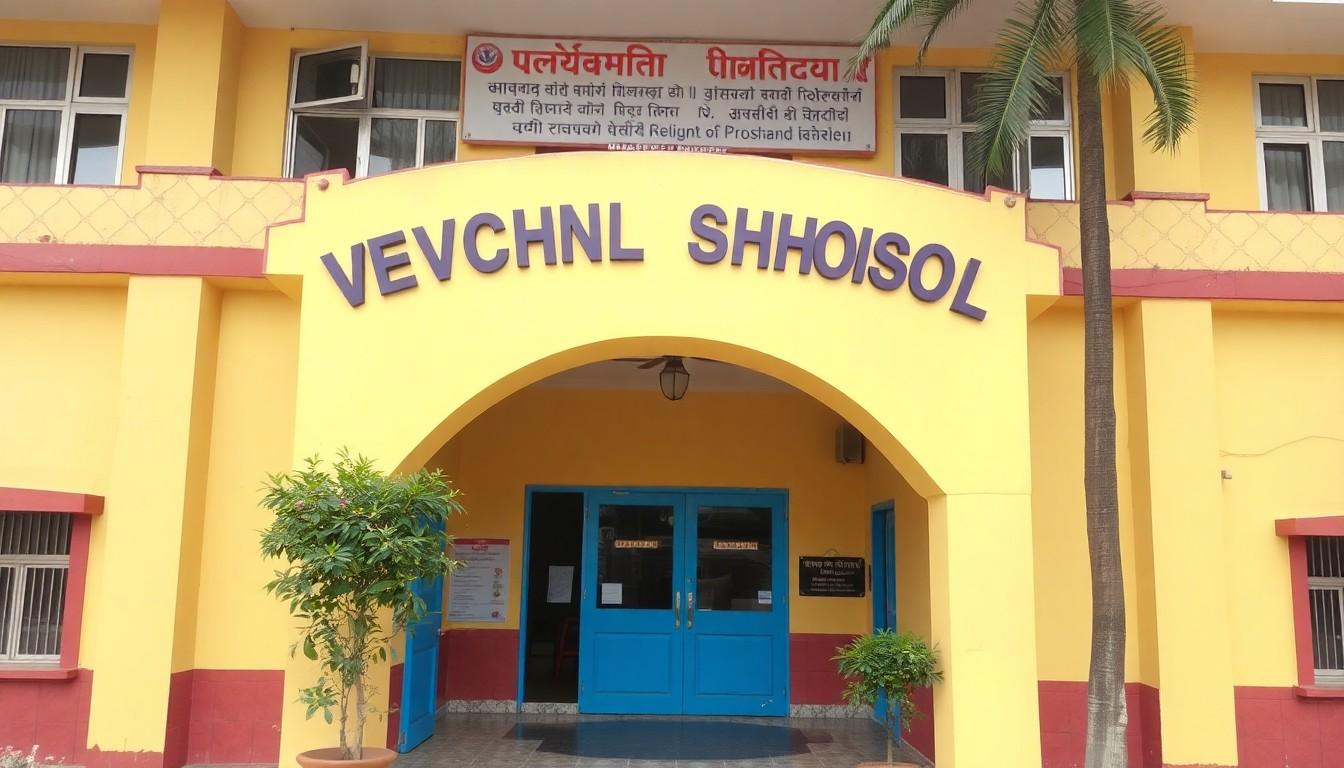
The case landed in the Gujarat High Court after media outlets published the petitioner’s identity, photographs and his HIV status following an arrest in November 2025. The moment the details appeared in print and online, the petitioner says his life changed: parents of children at his school were allegedly pressured, officials visited the school, and he felt forced to shut it down. The leak is described as both a legal wrong and a social wound , the shame and exclusion he recounts read like an ongoing punishment beyond any criminal proceedings.
According to the petition, police paraded the men before media while still in custody, and officials reportedly claiming to be from intelligence agencies interrogated them. The Syrian partner in the case has separately been granted conditional bail amid health concerns, and broader challenges to the criminal case and deportation remain pending.
What the law says about HIV privacy in India
Indian law recognises a higher expectation of privacy for sensitive medical data, and the HIV/AIDS (Prevention and Control) Act, 2017 places specific duties on authorities to protect confidentiality. The petitioner is leaning on those protections and on Article 21 of the Constitution, which courts have interpreted to include informational privacy. Past rulings from other High Courts and the Supreme Court have ordered compensation where hospitals, police or employers disclosed HIV status, signalling that such breaches are not treated as mere technicalities.
Readers should note that courts typically weigh state interest and public health against individual privacy; but unauthorised, sensational public naming has repeatedly been criticised by judges and sometimes met with monetary awards to the aggrieved.
The human cost: stigma, closure and the ripple effects
This story is as much about stigma as about statutes. The petitioner says family members stopped speaking to him, he was denied routine services, and he endured verbal abuse and social isolation. He also reports that education officials effectively forced him to step away from the school he had registered and run since 2022, after pressure mounted on staff and parents.
Those are precisely the kinds of cascading harms courts consider when deciding compensation: loss of livelihood, mental trauma, reputational damage and the erosion of dignity. Lawyers and advocacy groups will be watching to see whether the High Court awards exemplary damages to deter future breaches.
How this ties into wider trends and similar rulings
Indian courts have recently shown less patience for breaches of medical confidentiality and identity publishing in sensitive matters. For instance, High Courts have ordered compensation for parents after breaches of a baby’s HIV status, and judges have criticised irresponsible FIRs and media naming in sexual offence and POCSO cases. Together, these decisions suggest a judicial pattern: privacy violations that cause social harm can lead to remedies beyond simple apologies.
That trend matters because it signals to police, hospitals and the press that reckless disclosure carries legal and reputational risk. It also gives people living with HIV clearer legal footing to demand redress when authorities or institutions expose them without consent.
What you can do if your health data is exposed
If you or someone you know has had sensitive health information disclosed, act quickly: preserve evidence (screenshots, clippings, witness statements), get medical records that document the condition and any related actions, and seek legal advice from a lawyer who handles privacy or human rights matters. Consider filing a police complaint and an application for interim protection or damages in the relevant High Court. And reach out to local NGOs or support networks; they can help with counselling, public advocacy and practical support while legal remedies proceed.
A final point , secrecy isn’t the solution to stigma, but ensuring people’s control over their own medical information is. Courts are increasingly prepared to enforce that control.
It's a small change that can make every disclosure less damaging.
Source Reference Map
Story idea inspired by: [1]
Sources by paragraph: