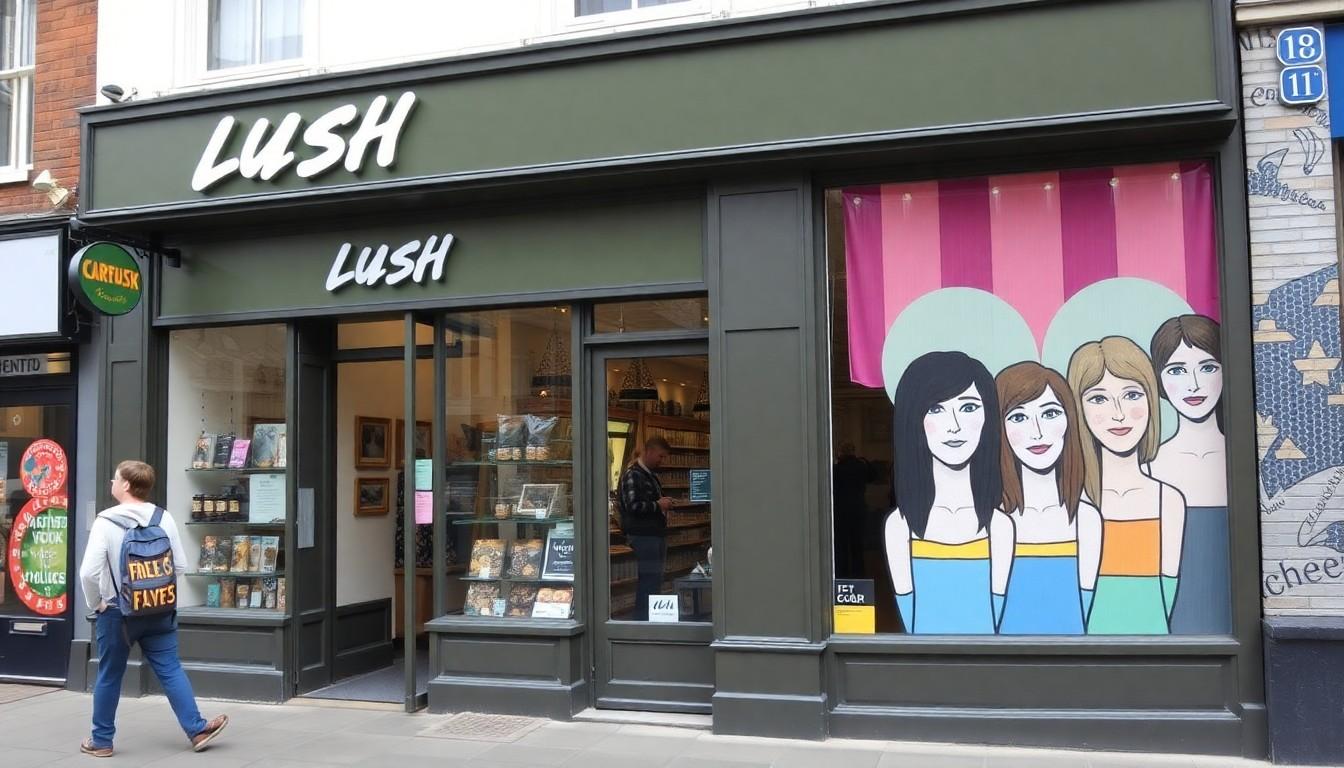
Shoppers and passers-by are pausing for the new Pride window art at Lush and Amnesty bookshop in London, sparking a row that matters far beyond paint and paper , it’s about visibility, health and who gets to tell whose story. The pieces celebrate trans top-surgery scars and have drawn both praise and furious pushback.
Essential Takeaways
- Visible support: Lush and Amnesty installed Pride window art portraying trans masc top-surgery scars, making the stores feel welcoming and affirming.
- Artist intent: The Lush tiger by queer nonbinary artist Bucky Ringsell was designed to normalise and celebrate surgical scars, described as “made with love and compassion.”
- Backlash: Anti‑trans campaigners, including Janet Murray and columnists, publicly attacked the displays and framed them as dangerous messaging to young people.
- Health context: Gender-affirming care, including top surgery and puberty blockers, is a recognised route to improved wellbeing for many trans people, with medical resources explaining procedures and outcomes.
- Practical point: When retailers show visible solidarity, it can make a tangible difference for customers seeking safety and community.
Why a tiger with scars became a flashpoint
The starkest fact here is simple: art that centres trans bodies makes some people uncomfortable, and discomfort quickly became outrage online. The Lush mural , a tiger with trans-flag stripes and pink top‑surgery scars , was meant to be an affirming image, not a provocation. According to the artist, the work was intended to combat shame around post‑surgical scarring and to show pride in trans bodies. That visual, tactile detail , a scar you could imagine running a fingertip across , is what gives the piece emotional weight. Context helps explain the fury. Anti‑trans figures seized on the image and framed it as an invitation to harm, even though surgical care is a medically supported path for many trans people. The debate isn’t really about a window display so much as who gets to define acceptable public representations of gender.
Retailers doubling down: why stores are taking visible stands
Both Lush and Amnesty have long histories of campaigning on human rights and LGBTQ+ issues, and their Pride windows fit that tradition. Lush, for example, publicly campaigns for trans rights and often uses its windows to amplify social messages. Amnesty uses its outlets to highlight marginalised voices and human-rights concerns. So this wasn’t a one-off marketing stunt , it’s part of an organisational stance that sees retail space as civic space. That stance matters in practical ways. A welcoming shopfront can be a low-stakes refuge for someone exploring identity or seeking resources. For customers who are nervous about visibility, a simple mural can signal safety and solidarity, which is a small but real form of care.
The misinformation spreading in the backlash
The loudest critics characterised the artwork as urging teenage girls to remove healthy breasts , an alarmist take that ignores nuance and medical reality. Medical experts and trans healthcare providers point out that top surgery for transmasculine people often addresses persistent gender dysphoria and, for some adolescents, follows careful assessment and, where appropriate, the use of puberty blockers that can reduce the need for later surgery. Framing surgical scars as a recruitment tool for minors is a common tactic in anti‑trans rhetoric, and it’s worth spotting the pattern: a public health procedure is reframed as moral panic. When you see that shift, it’s a cue to look for reliable medical information rather than amplify fear.
How to read and respond to public displays of trans support
If you’re unsure what to make of these displays, start by asking what the work is trying to do. Is it celebrating bodily autonomy, calling out stigma, or simply showing people who exist? The Lush tiger and Amnesty art fall into the first two categories. Practical tips: if you’re a parent who’s worried, talk to clinicians and trusted local LGBTQ+ organisations, not to social‑media hot takes. If you run a business, think about how your window messaging connects to staff training and safeguarding , visibility without support can inadvertently expose people. For trans people and allies, there’s value in small acts: thanking the artist, supporting inclusive retailers, or dropping by a local Pride event. Those gestures are low‑cost ways to build a quieter, more durable resistance to harassment.
What this row tells us about the climate for trans visibility in 2026
This kerfuffle is one episode in a wider cultural moment where trans lives, medical care and public representation are intensely politicised. Retail windows have become unexpected battlegrounds because they sit at the intersection of community, commerce and culture. Organisations that choose to show support are aware they’ll be targeted, yet many decide the signal of solidarity is worth the noise. Look ahead, and you can expect more of the same: creative visibility, swift backlash, and conversations that force communities to define what inclusion looks like in everyday places. For the people whose bodies and stories are being represented, that visibility can be quietly transformative.
It's a small change that can make every public space feel a little more like somewhere people belong.
Source Reference Map
Story idea inspired by: [1]
Sources by paragraph: