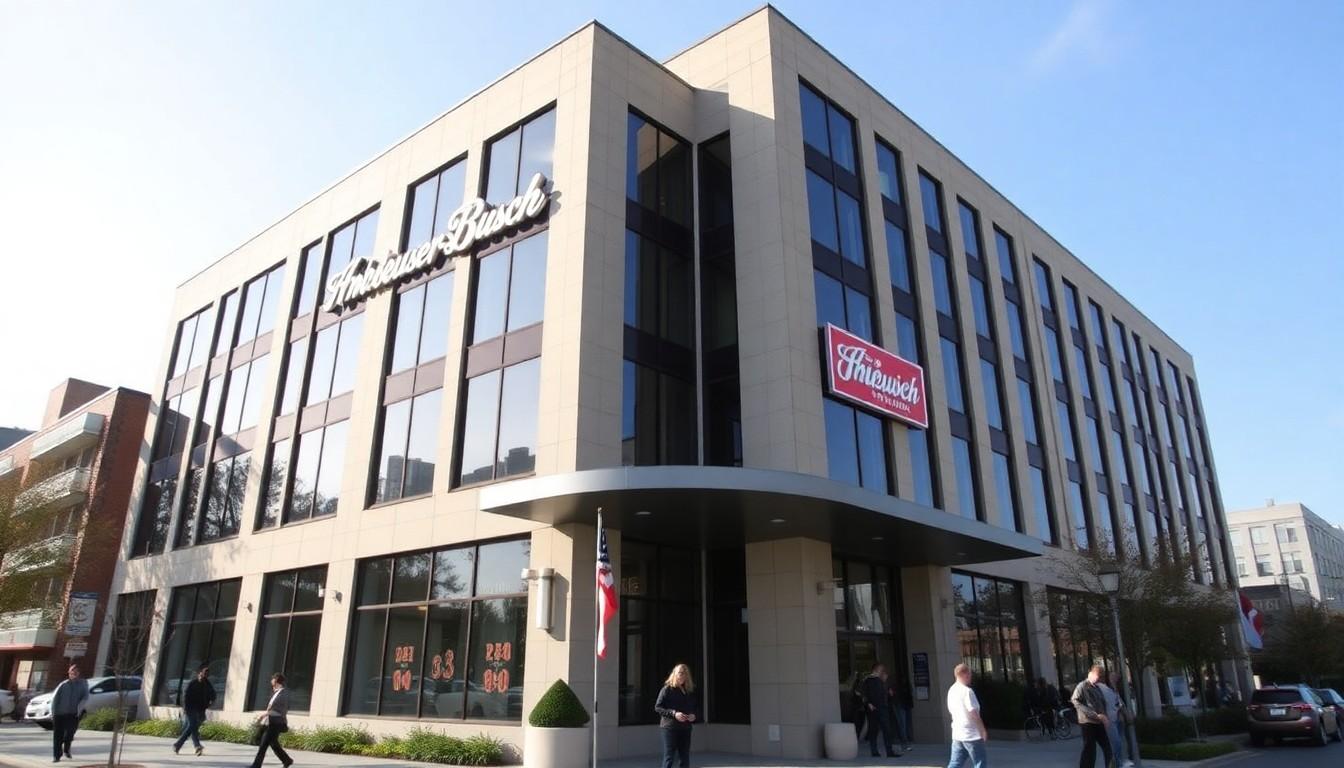
Shoppers and observers are noticing a clear shift in Pride season: companies are shrinking their sponsorships, activists and voters are pushing back, and the debate now matters for brands, politics and everyday people deciding what to support. Here’s what’s happened, why it matters, and how to read the new landscape.
Essential Takeaways
- Support is slipping: Gallup and other polls show measurable declines in public backing for same‑sex marriage and related issues, especially among Republicans and some independents.
- Corporate retreat: Several big-name sponsors cut Pride funding or reduced visibility this year; local events are also feeling a shortfall in cash and in-kind support.
- Cultural friction: Organisers and critics say the movement’s focus has broadened toward trans and queer issues, which some voters view as “overreach.”
- Practical effect: Reduced corporate dollars mean smaller festivals, more grassroots fundraising and a different feel at parades , less polished, sometimes more contentious.
- What to do: If you care about Pride, look at local organisers, small donors and community groups for ways to help that match your values.
Why poll numbers are getting people’s attention
Gallup’s latest figures show support for same‑sex marriage and related questions has dipped in recent years, reversing some earlier gains and catching brands’ attention. That shift comes with a faintly sour, almost metallic feel , like a party that suddenly runs out of fizz. Journalists and commentators are pointing to the changing composition of activism as a major cause: what began as a push for legal recognition has broadened into debates about classrooms, bathrooms and medical policy. Voters who once said “leave us alone” are now asking whether the agenda has moved beyond tolerance into public compulsion. For companies that once treated rainbow logos as low‑risk signalling, the new polling context raises a straightforward commercial question: is the reputational upside worth the cost when customer bases are divided? The short answer is, increasingly, companies are recalculating.
Corporates are trimming visible support , and local events feel it
Major firms that traditionally donated or co‑branded during Pride have pulled back this season, and local festivals are reporting sponsorship gaps. Axios and local reporting note meaningful shortfalls at some city events, while national outlets flag a pattern among big brands. That doesn’t always mean a wholesale withdrawal. Some companies are shifting dollars from highly visible advertising to quieter grants for LGBTQ+ health and community services. Others are pausing public displays while maintaining private support. If you volunteer or attend, expect smaller stages, fewer freebies, and more crowdfunding drives at the gates. For community organisers, the practical tip is to diversify funding: rely on a mix of small donors, grants and ticket revenue rather than a single corporate sponsor. That makes events less vulnerable to a single PR decision.
What’s driving the political and cultural backlash
The debate isn’t just about logos; it’s about the movement’s evolving aims. Commentators point to an expanded focus on gender identity and classroom issues as a turning point for some voters who were comfortable with marriage equality but uneasy about other policies. Political operatives note that this shift has become a mobilising issue for conservative voters, while some moderates and independents are reassessing their support. The result is visible in polling and in anecdotes: athletes, local leaders and everyday citizens have pushed back in ways that make corporate PR teams nervous. If you’re trying to understand public sentiment, look beyond headlines to local conversations , school board meetings, workplace policies and community forums often reveal the precise sticking points.
How activists and organisers are adapting
Faced with reduced high‑profile sponsorship, many groups have gone grassroots: community donors, local businesses, and mutual‑aid style campaigns are stepping in. Some Pride organisers are leaning into a scrappier, more DIY vibe that foregrounds direct services , legal clinics, health screenings, and support groups , rather than big corporate stages. Others are reframing outreach to win back moderates: emphasising shared values like family, safety, and small‑business support. There’s also a split within advocacy circles about strategy, with some arguing for a less combative tone and others insisting visibility and protest remain essential. For anyone who wants to help, supporting local groups and services tends to have a more immediate impact than liking a corporate post.
Reading the terrain as a consumer or donor
If you’re a customer wondering whether to prize or penalise a brand, start by checking what kind of support they’re offering. Is it a temporary social‑media splash, or sustained funding for services and legal advocacy? Small, local charities often use funds more flexibly than big corporate wallets. For employers or HR teams, this is a moment to revisit policy: clear, consistent protections and inclusive practices matter more than symbolic gestures. For ordinary people, the practical move is to align spending and giving with your long‑term values , whether that’s backing community clinics, supporting inclusive schools, or buying from firms whose actions match their marketing. Ultimately, this season looks like the start of a recalibration: Pride’s visibility will persist, but its shape and funding may look different for a while.
It's a small change that can make every pledge and donation do more good.
Source Reference Map
Story idea inspired by: [1]
Sources by paragraph: