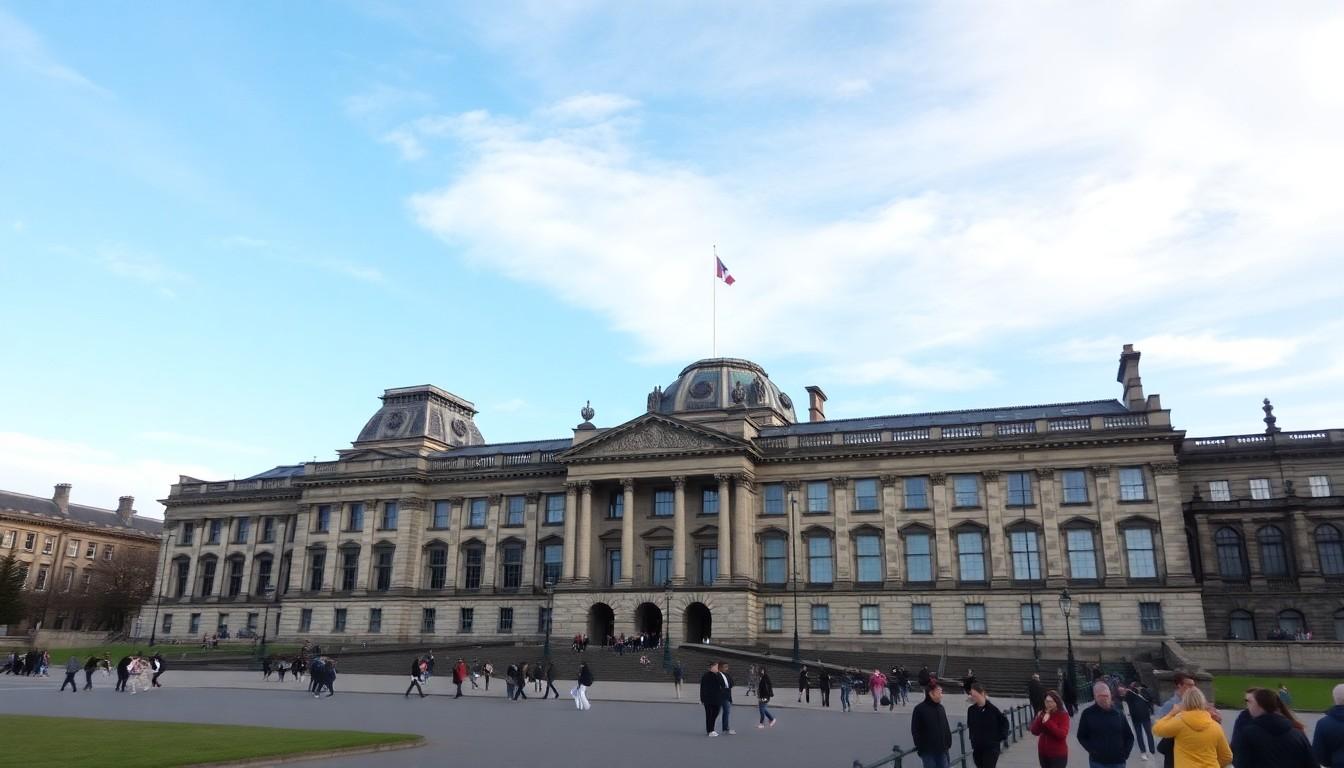
Shoppers are turning out, marchers are gathering and politicians are speaking up as Edinburgh prepares for Pride , the Scottish Greens are urging stronger LGBT+ protections, arguing it matters for safety, rights and family life across Scotland.
Essential Takeaways
- Greens’ ask: The party wants stronger legal protections for LGBT+ people, including a ban on conversion practices and better trans healthcare access.
- Family fairness: They’re pushing for parity of IVF and wider fertility access for same-sex couples, described as life-changing by same-sex parents and hopeful couples.
- Rising rhetoric: The Greens say far-right homophobic and transphobic language has become normalised and needs to be challenged.
- Everyday impact: Proposals aim to protect daily life , from marriage and adoption rights to access to healthcare and education without fear.
Pride is more than flags , Greens say it’s a rights check
Pride, the Greens argue, isn’t just a colourful party; it’s a yearly reminder of laws and protections that were fought for over decades and still need defending. Kayleigh Kinross-O’Neill, a Scottish Greens MSP, told reporters ahead of Edinburgh’s event that Pride highlights hard-won gains like equal marriage and discrimination protections, but also the unfinished business of achieving real equality. The language she uses is vivid , this is about people’s safety and their ability to live openly without harassment.
Backstory: the Greens have long placed LGBT+ rights near the top of their platform, and their recent public push ties into wider concern about a louder, more mainstreamed anti-LGBT+ rhetoric. For marchers and onlookers, that means Pride doubles as protest and celebration.
Practical insight: if you’re attending Pride, expect both celebration and political messaging , and a chance to see where parties stand on practical changes, from legal bans to healthcare reforms.
Ending conversion practices: a clear, urgent demand
One of the Greens’ headline asks is a statutory end to conversion practices, which they describe as harmful and tantamount to torture. They want Scottish legislation that criminalises these practices and gives survivors routes to justice. The call taps into a growing international movement to outlaw any attempt to change or suppress someone’s sexual orientation or gender identity.
Context: conversion practices are already in the spotlight across the UK and beyond, and campaigners say a clear legal ban would be transformative for survivors. For families and allies, this is an emotional issue , the word “torture” used by campaigners underlines how damaging these practices can be.
Practical insight: supporters can ask local politicians what steps they’ll back to ensure survivors get redress and protection, and look out for community campaigns at Pride offering information and support.
Parity for IVF: why fertility access matters to same-sex couples
The Greens are also pushing for parity of IVF for same-sex couples and broader access to fertility treatment. For many same-sex couples, access to IVF isn’t a niche demand; it’s about the practical possibility of building a family. Kinross-O’Neill spoke personally about wanting family options, putting a human face to a policy ask that could alter people’s futures.
Trend: fertility access is increasingly framed as an equality issue in progressive platforms, and voters respond to real-life stories about parents and would-be parents. This ask sits alongside other family-support measures and could be a decisive issue for many voters.
Practical insight: clinic availability, waiting times and funding vary across Scotland , same-sex couples should check local health boards and ask MSPs about plans for widening access.
Trans rights and healthcare: daily life under pressure
Another focal point is trans rights, where the Greens argue that demonisation must end and practical steps taken to improve healthcare access. They criticise guidance from some agencies that they say restricts trans people’s freedoms in everyday life, and call for overturning measures that make daily living harder.
Context: access to timely, appropriate trans healthcare remains a key battleground across the UK, and political rhetoric can directly affect whether people feel safe going about ordinary activities. For allies and communities, restoring dignity and access is both a moral and practical priority.
Practical insight: if you or someone you know needs trans healthcare, keep records, seek local support groups and ask MSPs what they will do to reduce wait times and widen services.
What this all means for Scottish politics and Pride’s future
The Greens warn that gains could be dialled back if progress isn’t actively defended in the next Scottish Parliament term. That’s a sober note amid Pride’s optimism: celebrations energise communities, but political campaigns shape services and protections. Kinross-O’Neill’s call is a reminder that Pride remains a moment for policymaking as much as partying.
Reaction: supporters at Pride are likely to mix joy with resolve , singing and protest can coexist. For the broader public, it’s an invitation to consider what equality looks like beyond symbolism, in clinics, schools and law.
It’s a small change that can make every celebration safer and more meaningful.
Source Reference Map
Story idea inspired by: [1]
Sources by paragraph: