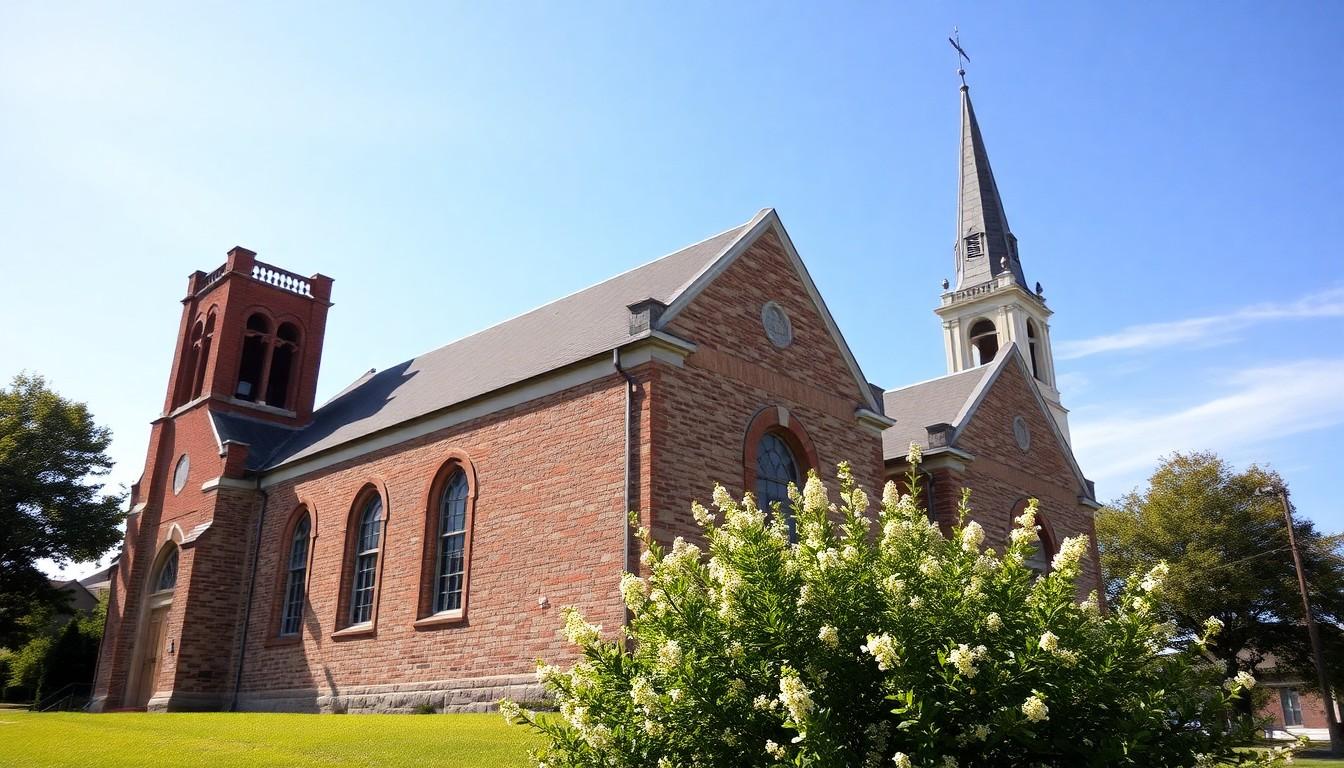
Shoppers and worshippers alike are noticing a marked change: United Methodists are marking Pride with remembrance and rejoicing, as congregations reflect on decades of struggle and a recent, historic policy shift that matters for LGBTQ inclusion across the denomination.
Essential Takeaways
- Historic policy change: The United Methodist Church removed discriminatory language about homosexuality, ending law-based exclusion that began in the 1970s.
- Grassroots action mattered: Local clergy, advocacy networks and daring public vows helped force change; many ministers risked careers to officiate same-sex weddings.
- Emotional legacy: The church is pausing to mourn lives lost, youth harmed by rejection, and congregations that fractured , the grief is real and still present.
- Practical next steps: Churches and leaders are focusing on pastoral care, inclusive rites, and training to welcome queer members with dignity.
- Tangible signs: Open sanctuaries, published clergy pledges, and visible queer leadership signal cultural as well as legal change.
Why this Pride feels different for United Methodists
This year’s Pride has a quieter, deeper tone , it’s celebration threaded with reflection. Many congregations are marking not just a festival but a hinge moment in how the church treats LGBTQ people, and you can feel that in hymn choices and the tender hush before prayers. According to denominational reporting, the Book of Discipline has been revised to remove exclusionary language, which changes formal standing but not overnight hearts and habits. For people inside the UMC, that legal shift is huge; for others it’s a prompt to keep doing the pastoral and cultural work that follows policy.
The long fight that led here
The story didn’t arrive overnight. Activists, clergy networks and local churches chipped away for decades, sometimes at great personal cost. Clergy groups like Methodists in New Directions and the Covenant of Conscience publicly pledged to officiate same-sex weddings and protect colleagues who did the same. Those grassroots acts of conscience , public, risky and deeply human , helped create the pressure that ultimately produced reforms. It’s easy to forget that policy changes are the end of many tiny, painful reckonings.
What changed in the Book of Discipline, and why it matters
The denomination’s governing text is no longer weaponised to exclude LGBTQ people; language declaring homosexuality “incompatible” or banning “self‑avowed practicing homosexuals” from ordination has been removed. That’s a concrete, structural fix that opens the door to inclusive ministry across many conferences and local churches. Reuters-style coverage and denominational summaries make clear the legal barrier is down, but congregations still need pastoral training, liturgical resources, and clear local commitments to make inclusion felt in pews and pastoral offices.
How congregations are translating policy into pastoral care
Policy is a framework; pastoral care is where the change touches daily life. Churches are holding healing services, creating support groups for queer members, and revising wedding and ordination rites to be explicitly welcoming. Practical steps include adopting clear non‑discrimination statements, training staff in LGBTQ pastoral issues, and setting up listening sessions so those harmed in the past can speak and be heard. For clergy and lay leaders, the advice is simple: show up, name past harms, and follow through with concrete supports.
The human cost and a call to remember
Alongside cautious celebration there’s real mourning , of people who left churches for safety, of youth who internalised rejection, and of lives lost to illness and violence. Honouring those stories matters; it’s why many congregations are using Pride to tell local histories, host memorials, and hold space for grief as well as joy. That human memory keeps reform grounded in compassion rather than mere compliance.
What to look for next in the UMC’s journey
This moment isn’t an ending so much as a transition. Expect more visible queer leadership, more congregations openly hosting same‑sex marriages, and a stronger push for training and accountability. Some members will still leave for more progressive denominations, and some conferences will take time to implement new norms. The healthy sign is energy: communities organising trainings, supply lists of inclusive liturgies, and practical guides for churches that want to do better.
It's a small change that can make every worship space safer and more loving.
Source Reference Map
Story idea inspired by: [1]
Sources by paragraph: