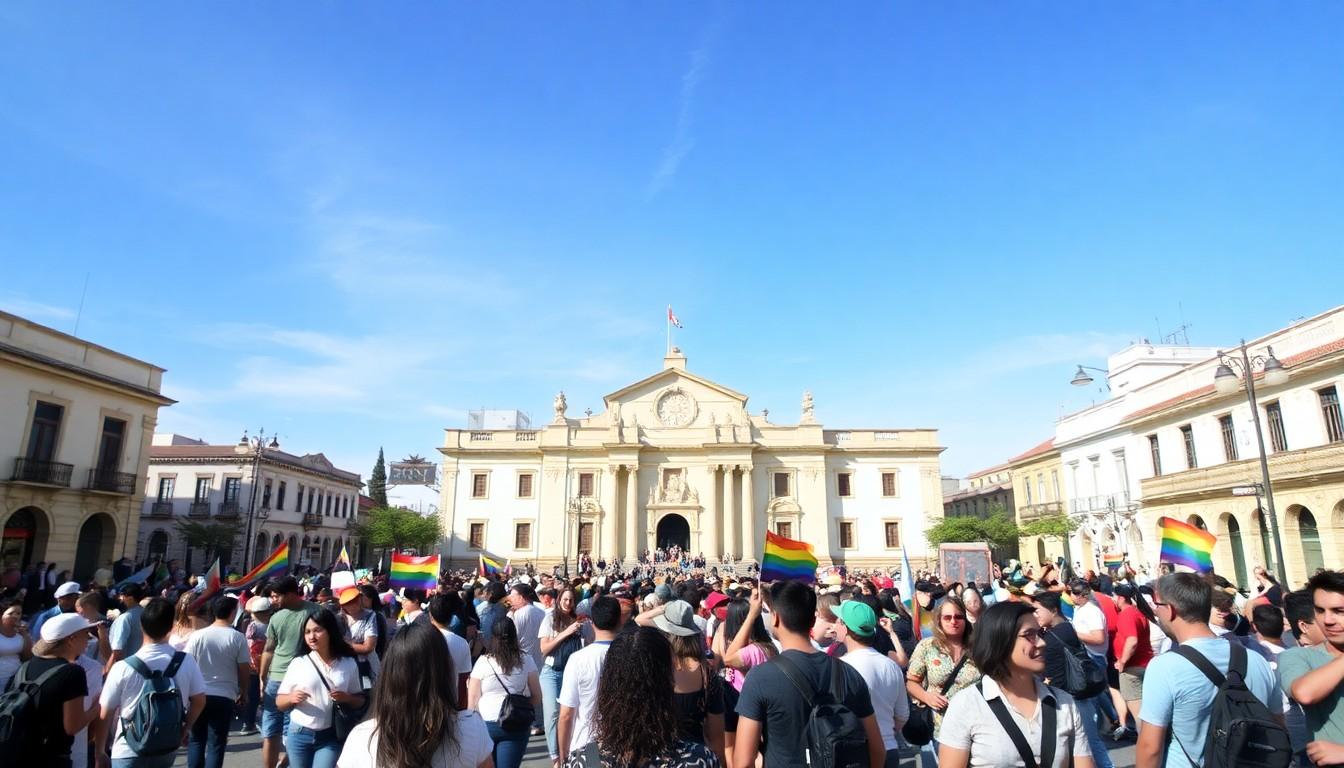
Shoppers, neighbours and activists are turning out as Torreón’s municipal human rights unit steps in to accompany this weekend’s LGBTIQ+ pride march, offering institutional presence to safeguard rights, visibility and peaceful protest in the city centre.
Essential Takeaways
- Who’s involved: The Unidad Municipal de Derechos Humanos (UMDH) will accompany pride marchers from start to finish to ensure rights are respected.
- When and where: The march starts at 17:30 at the Fuente del Pensador in Alameda Zaragoza and ends at Plaza de Armas; it should take about 90 minutes.
- Focus: Participants are highlighting human rights, inclusion and non-discrimination, with particular emphasis on trans women.
- On the ground feel: Organisers expect a visible, peaceful procession through central Torreón with a civic, community atmosphere.
- Why it matters: Institutional accompaniment aims to reduce incidents and ensure police and attendees follow state protest protocols.
Institutional accompaniment: what it actually means on the street
Torreón’s human rights unit will walk alongside marchers, a quiet but significant presence that feels reassuring for many participants. According to the municipal announcement, UMDH staff will be present throughout the route to monitor compliance with the state’s Protocol of Police Action in Peaceful Demonstrations. That means someone is watching for infringements on dignity or excesses by security forces, and that’s a practical safeguard in a city parade.
This kind of accompaniment isn’t theatrical , it’s procedural. It signals the municipality’s intent to protect fundamental rights and to avoid confrontations that could derail the event. For marchers who’ve faced hostility in the past, seeing an official there can make the difference between attending and staying home.
A route with a rhythm: from the Fuente del Pensador to Plaza de Armas
The march is due to begin at 17:30 at the Fuente del Pensador in Alameda Zaragoza and to finish at Plaza de Armas, covering central streets over roughly an hour and a half. That timing captures the city during a gentle transition from late afternoon to evening, when colours and banners look especially vivid under soft light.
Practical tip: arrive early for the best vantage point and to find friends , central start points fill up fast. If you’re participating, wear comfortable shoes and bring water; the route is manageable but lively.
Why organisers are centring trans women and human-rights visibility
Organisers in Torreón are using the march to underscore issues of inclusion, equality and non-discrimination, with a spotlight on trans women who often face heightened violence and exclusion. That emphasis mirrors wider conversations across Latin America about protection, access to services and social recognition.
This local focus follows global Pride threads rooted in historic resistance. The choice to highlight trans rights is both strategic and humane: it amplifies voices that are frequently marginalised while reminding attendees and authorities why such protests matter.
Stonewall’s shadow: the historical context that still informs Pride
Pride events in June trace their origins to the 1969 Stonewall protests in New York, a touchstone often cited when activists talk about rights and resistance. Sources such as Britannica and the National Park Service explain how Stonewall became a turning point for visibility and collective action, and modern marches frequently reference that lineage to connect local struggles with an international movement.
Acknowledging that history helps frame Torreón’s march as part of a larger story about civil rights, policing practices and community resilience. It also offers perspective: the choreography of peaceful protest and institutional oversight we see now owes something to what happened decades ago.
What to expect next: more mobilisations and municipal follow-up
The UMDH has said it will continue to accompany other planned mobilisations in the coming days, keeping a steady commitment to monitoring demonstrations and protecting participants’ dignity. For organisers and attendees, that continuity is important , it shows institutions are prepared to be partners, not just on one day but across a series of events.
If you’re planning to join future marches, keep an eye on official notices and community channels for route updates. And if you witness any incident, report it to UMDH representatives on site so it can be recorded and followed up.
It's a small change that can make every march feel safer and more inclusive.
Source Reference Map
Story idea inspired by: [1]
Sources by paragraph: