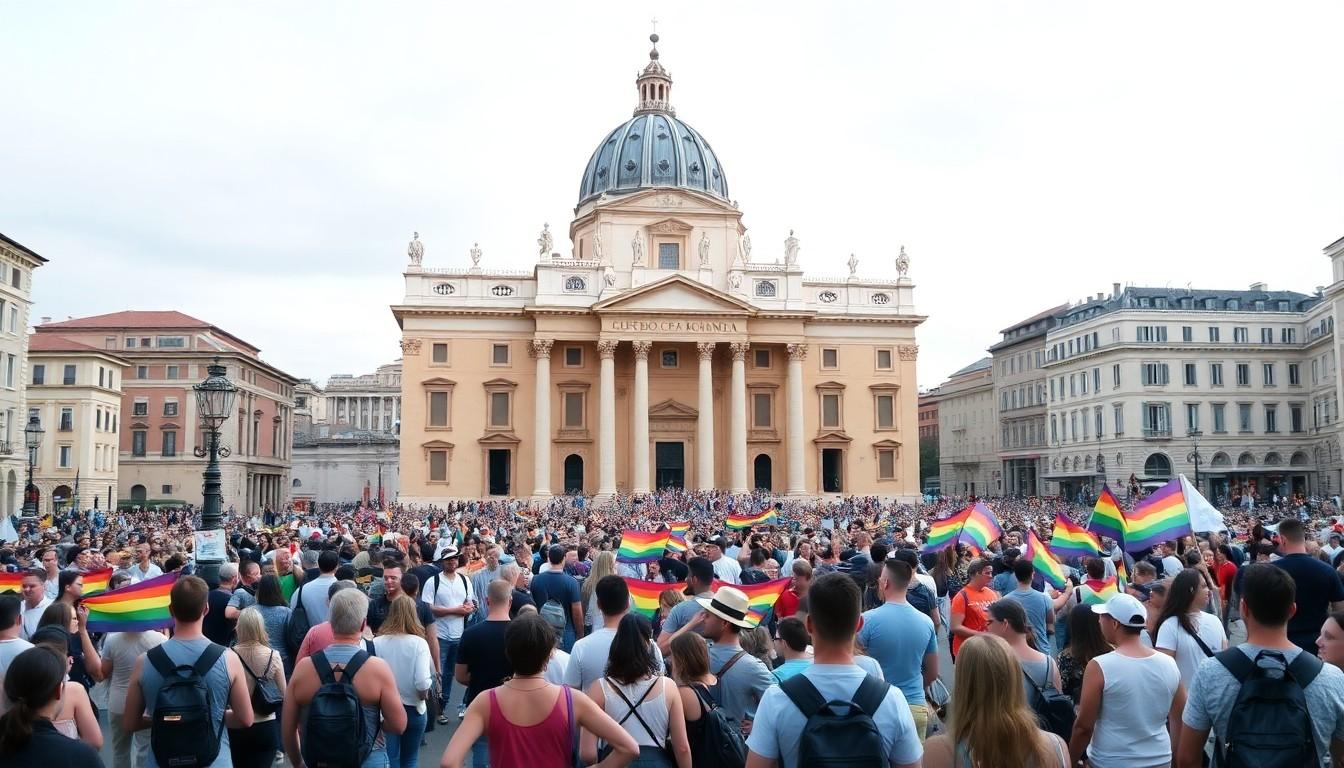
Shoppers, students and families joined colourful crowds as Onda Pride 2026 rolled through six Italian cities today , Modena, Palermo, Rome, Rovigo, Treviso and Varese , in a broad show of support for LGBTQIA+ rights and continued calls for legal change. Here’s what happened, who led the marches and why it matters.
Essential Takeaways
- Six-city wave: Pride parades ran in Modena, Palermo, Rome, Rovigo, Treviso and Varese, drawing diverse crowds and local visibility.
- High-profile presence: Rome’s mayor Roberto Gualtieri marched in front of the main banner, voicing urgency on equal rights.
- Striking visuals: Rome featured provocative float art targeting public figures and activists, adding a charged, theatrical note.
- Community mix: Events included groups such as Jewish LGBTQIA+ association Keshet and local civic organisations, offering a united front.
- Local programming: Treviso’s festival calendar included panels, performances and a manifesto-driven programme for change.
Opening Hook: a political, colourful wave across Italy The Onda Pride marches today felt like a splash of colour across the country, loud, playful and at times sharply political. In Rome tens of thousands turned up for a parade led by a banner reading “La Repubblica è di chi la abita” and the mayor, Roberto Gualtieri, walking in the front row with his tricolour sash, underlining the civic weight of the occasion. According to ANSA, the streets were crowded enough that the atmosphere ranged from festival-bright to protest-urgent.
How the demonstrations came together , local energy, national aim Organised by Arcigay alongside a network of regional groups, Onda Pride 2026 deliberately spread marches across six cities to amplify local voices as well as demand nationwide legal progress. Treviso’s dedicated website and programme show a full roster of events, from workshops to concerts, while Rome staged a large parade with floats and theatrical elements. The approach mixes celebration , inclusive and sensory , with a policy-focused message about gaps in Italian legislation.
The sights and sounds: floats, banners and pointed satire Rome’s parade blended spectacle with satire: a float displayed upside-down cutouts of several well-known figures and an image labelled “Toxic Waste” attached to a bag, signalling clear condemnation and theatrical dissent. These choices made the march visually striking and, for some, deliberately confrontational. That’s become part of modern Pride culture: the costumes and music draw people in, while symbolic artwork steers attention toward specific political targets.
Who showed up and why it matters locally Across the cities the line-up ranged from mayors and municipal councillors to grassroots activists and religious-minority groups. Keshet, the Jewish LGBTQIA+ association, marched in Rome, underscoring that Pride events are increasingly about building cross-community alliances. Local websites such as Treviso Pride make it clear organisers view these marches as both celebration and civic pressure: the manifesto and programme frame Pride as a tool to push for concrete rights, not just visibility.
Picking the right Pride experience for you If you’re planning to join a Pride in future, think first about tone and scale. Rome is big, theatrical and politically charged , expect large crowds and media attention. Smaller cities like Rovigo or Varese tend to feel more intimate and community-led, with easier access to panels and local organisers. Check local programme pages for workshops and accessibility info, and go with comfortable shoes, water and a small rain layer , Italian weather can flip in June.
Looking ahead: festival energy, political pressure Onda Pride 2026 showed that Italy’s Pride movement still balances joy and demand: community celebration alongside calls to update laws and close gaps in protections. With local networks running parallel programmes and national groups helping coordinate, the wave-style approach keeps pressure on institutions while letting each city highlight its own priorities. Expect organisers to use today’s turnout as fuel for the autumn lobbying season.
It's a small change that can make every march count.
Source Reference Map
Story idea inspired by: [1]
Sources by paragraph: