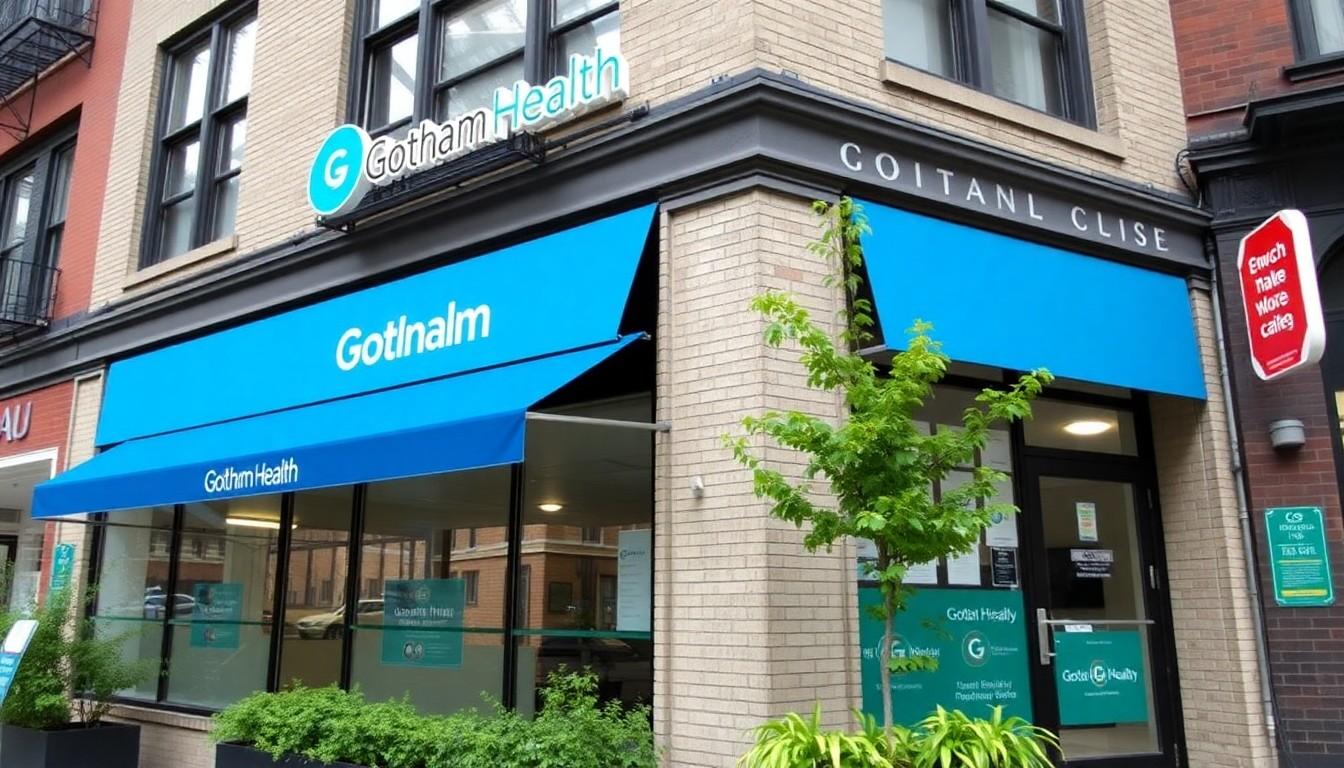
Shoppers are turning to trusted public care , NYC Health + Hospitals has 18 facilities across the five boroughs named 2026 LGBTQ+ Healthcare Equality Leaders, a sign that public hospitals and primary care sites are doubling down on inclusive, affirming services for the city’s diverse communities.
Essential Takeaways
- Top score: All 11 hospitals and eight Gotham Health primary care sites earned a perfect 100 on the Human Rights Campaign Foundation’s Healthcare Equality Index.
- Wide reach: Leader sites span Bronx, Brooklyn, Manhattan, Queens and Staten Island, making inclusive care accessible across NYC.
- Consistent performance: NYC Health + Hospitals has held these recognitions repeatedly, signalling sustained investment in training, policies and patient services.
- Practical benefit: Patients can expect nondiscrimination policies, staff training on LGBTQ+ needs and targeted patient engagement at designated sites.
- Context: The Healthcare Equality Index evaluates more than 2,000 facilities nationwide and helps families compare how welcoming providers are.
Why this designation matters , and how it feels at the clinic
Earning the Healthcare Equality Leader badge is more than a logo on a website; it usually translates into quieter waiting rooms that feel safer, intake forms that use correct pronouns, and staff who sound informed rather than apologetic. According to NYC Health + Hospitals, every qualifying hospital and Gotham Health site hit the top score in the 2026 index, which the Human Rights Campaign Foundation runs to assess welcoming practices. For patients and carers, that score suggests consistent standards you can rely on when booking appointments or seeking urgent care.
That consistency matters because healthcare can be stressful for anyone, and it's worse when you’re not seen. Hospitals that invest in staff training, clear nondiscrimination policies and visible patient supports create calmer experiences , the sort where you leave feeling cared for, not lectured.
Where to find the leaders , a borough-by-borough tour
The recognitions cover locations across all five boroughs, so you don’t have to trek across town to find an affirming provider. In the Bronx, facilities such as Jacobi and Lincoln are listed; Brooklyn includes Kings County and Woodhull; Manhattan names Bellevue and Harlem among others; Queens has Elmhurst and Queens hospitals; Staten Island’s Gotham Health, Vanderbilt made the list too.
This spread is useful for families who move across neighbourhoods or for anyone who wants options in different parts of the city. It also shows the municipal system’s scale: as the largest public hospital network in the US, NYC Health + Hospitals can set a baseline for inclusive primary and specialist care.
What the Healthcare Equality Index checks , practical points patients should know
The Healthcare Equality Index reviews nondiscrimination policies, staff training, patient services and community engagement, among other areas. Facilities that score well usually have written protections for LGBTQ+ patients and employees, offer trans-inclusive care protocols, and provide staff education on respectful intake and clinical needs. The Index covers thousands of facilities, but only a portion actively participate, so a top score here indicates a proactive approach.
If you’re choosing a clinic, look for evidence of those practical measures: clear nondiscrimination statements, visible staff badges or training mentions, and patient materials that use inclusive language. Those small signals often predict how smoothly your visit will go.
Why this matters now , gains and the wider political backdrop
The Human Rights Campaign’s leaders point out that progress coexists with setbacks nationwide. Kelley Robinson of the HRC has said the country is seeing both dedicated providers and aggressive political pressures that affect trans youth care and HIV services. In that context, municipal systems that maintain strong inclusive policies are particularly valuable , they act as reliable hubs when other options are under strain.
For New Yorkers, that means leaning on local public facilities that have committed to best practices, and also staying informed about services for specific needs, like gender-affirming care or HIV prevention and treatment.
How to choose the right site for your needs
Start with location and services , check whether the facility lists relevant clinics (endocrinology, sexual health, mental health). Call ahead to ask about intake forms, pronoun use and whether staff have recent LGBTQ+ sensitivity training. If you have a chronic condition, ask how they coordinate care across specialists and whether patient navigators or social workers are available.
If something feels off in person, you’re within your rights to ask for a different provider or make a complaint; the best facilities have clear channels for feedback and will act on it.
It's a small change that can make every visit feel safer and more respectful.
Source Reference Map
Story idea inspired by: [1]
Sources by paragraph: