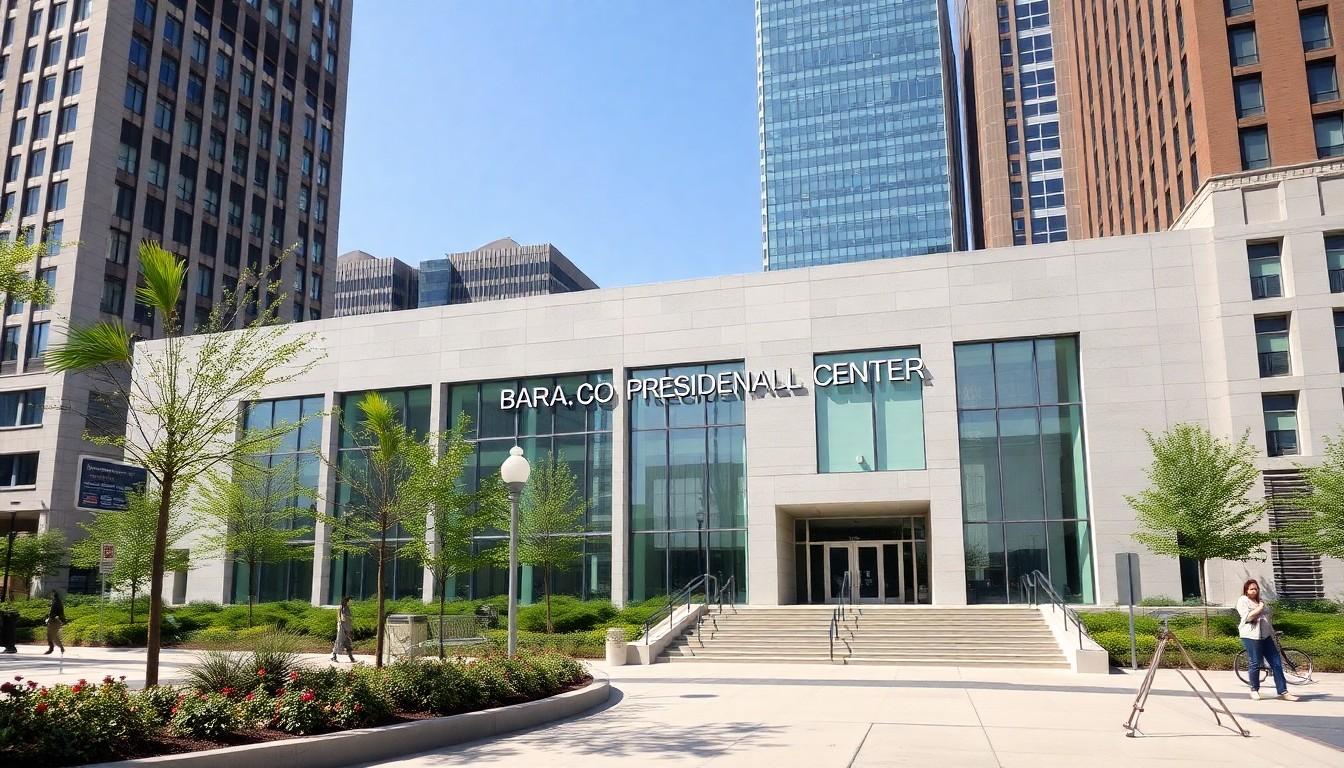
Shoppers, visitors and history buffs are flocking to the Barack Obama Presidential Center in Chicago, where a bright, public-facing campus and museum highlight the former president’s role in advancing marriage equality and LGBT rights , and why that matters for how we remember recent political change.
Essential Takeaways
- Major exhibits: The museum includes key artifacts tied to LGBT policy, like a signing pen from the repeal of Don’t Ask, Don’t Tell and commemorative Harvey Milk stamps, offering a tactile sense of the era.
- Public facilities: The 19.3‑acre site combines galleries, youth programmes, sports facilities and a Chicago Public Library branch, making it a neighbourhood anchor that feels lively and local.
- Political arc on view: Visitors can trace Obama’s public “evolution” on same‑sex marriage from earlier ambiguity to explicit support in 2012, an emotional and political turning point.
- Broader conversation: The centre frames marriage equality within wider social movements, but also sits amid continuing debates over transgender rights and public opinion.
- Atmosphere: The campus feels open and civic, with bright spaces and community programming designed to keep people coming back.
A vivid civic campus with a clear message
The opening of the Barack Obama Presidential Center is as much about place as it is about politics, and you can sense that the moment you arrive , a mix of sleek new architecture, green space and busy community rooms. According to reporting, the foundation has curated objects that tell a story of social change, and the display of LGBT‑linked artefacts gives that story a definite angle. That choice makes the museum feel contemporary and relevant, not dusty.
The centre was designed to be neighbourhood‑facing rather than merely retrospective, with youth programmes, sports facilities and a library branch that invite locals in. The practical effect is that history isn’t locked behind glass; it’s woven into everyday public life. If you want to see how a presidency is being remembered by its supporters, this is a direct, sensory way to do it.
Marriage equality as a chapter, not a footnote
The museum highlights several milestones: the repeal of Don’t Ask, Don’t Tell, outreach items linking LGBTQ communities to health coverage, and tributes to trailblazers such as Harvey Milk. Those objects foreground the work to expand rights and recognition, and they help visitors understand why 2012 felt like a turning point for many Americans.
They also crystallise the political narrative around Obama’s own stance. The centre frames his move to endorse marriage equality as part of a larger arc , a mix of personal reflection and political calculation , and presents it as consequential in the fight for civil rights. For visitors who lived through the debate, those exhibits can feel quietly vindicating; for younger visitors, they map the route by which ideas became policy.
Context: why now, and how it fits into wider debates
The centre opens at a moment when public opinion on LGBT issues is mixed and the politics remain charged. While marriage equality enjoys broad support, other questions , particularly around transgender healthcare and sports participation , continue to divide the public and political parties. That reality gives the museum’s focus an edge: it celebrates progress while existing amid ongoing cultural conversation.
Exhibiting items tied to healthcare outreach and policy connects the marriage equality story to practical outcomes, not just symbolism. It’s a useful reminder that rights battles often have direct effects on access to services and everyday wellbeing, which is why the story still matters in policy debates.
How the exhibits present leadership and legacy
Michelle Obama’s remarks at the opening , crediting her husband with “standing up for marriage equality” , set a tone: this is a centre that wants to affirm a legacy. The foundation’s curatorial choices underline leadership as part of a coalition of activists, lawyers and ordinary people, rather than as a solo accomplishment. That softens a presidential centre’s usual hero narrative and brings movements into view.
Curators have paired personal objects with broader documentation, so the story reads as both intimate and structural. For visitors thinking about how presidents shape social change, the centre offers material to compare intentions with outcomes and to judge the pace of political evolution.
Visiting, learning, deciding what to take away
If you go, expect a mix of museum calm and active public programming. The layout encourages conversation , school groups, workshops and community events sit alongside displays , so you’ll likely overhear real‑time reactions that add texture to the static exhibits. Take a moment by the LGBT‑related items to read the contextual panels; they show how policy decisions affected people’s lives.
Practical tip: combine a visit with a walk around the campus to feel how the centre links to the neighbourhood. That helps you understand the choice to house civil‑rights memory within a living public space, rather than a distant monument.
It's a small change that can make every visit feel like part of an ongoing conversation.
Source Reference Map
Story idea inspired by: [1]
Sources by paragraph: