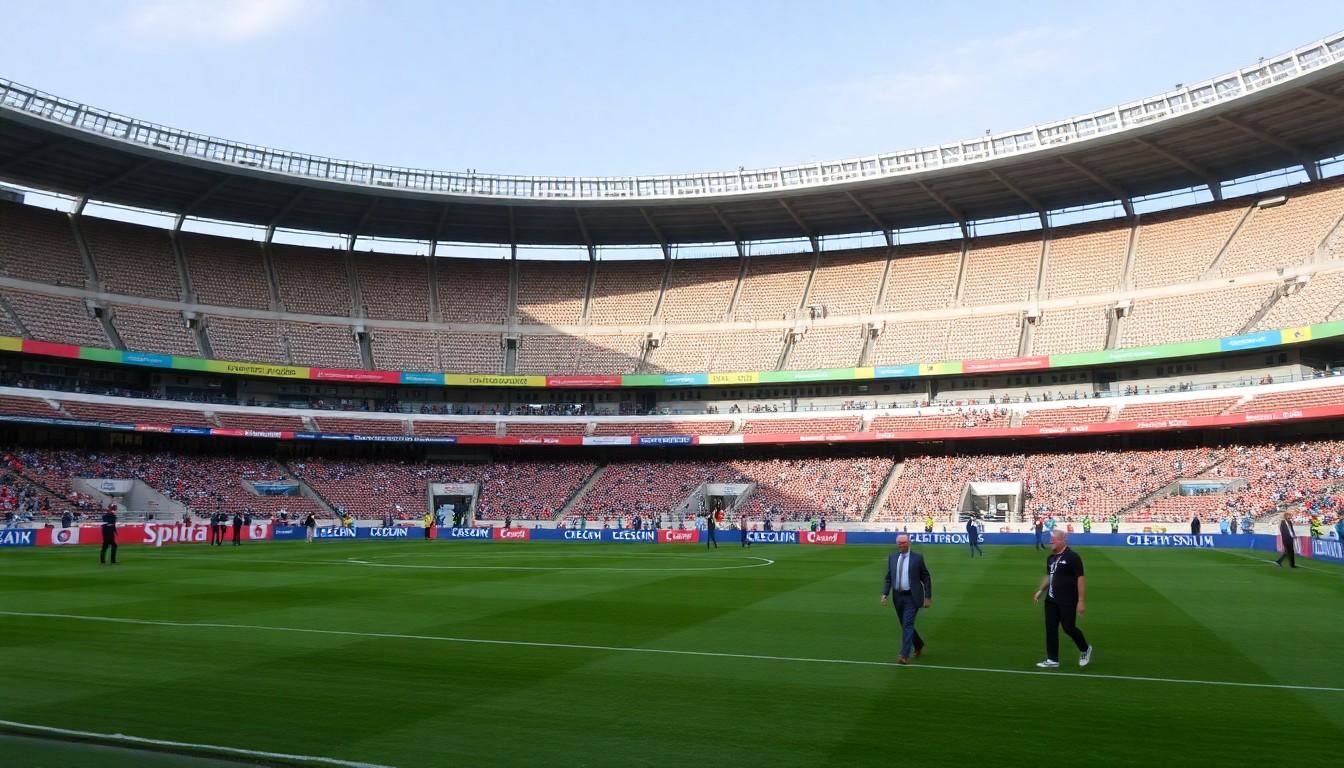
Spotlight averted and then centred , Brooke Mayo’s appointment as an assistant referee at the 2026 Men’s World Cup is making waves. Fans and players in Atlanta saw the first openly LGBTQIA+ match official on the men’s tournament stage, a symbolic and practical step for queer visibility in elite football.
Essential Takeaways
- Historic first: Brooke Mayo became the first openly LGBTQIA+ match official to serve at a men’s FIFA World Cup, officiating the Czech Republic v South Africa match.
- All-American crew: That game also marked the first time an all-American, all-female officiating team ran a World Cup match, a neat double milestone.
- Early start: Mayo started refereeing at 13 after growing up playing football in Texas, and kept progressing through college and pro pathways.
- Open about identity: She publicly came out during Pride 2024 and has spoken about finding authenticity and support on the football pitch.
- Warm reception: Queer fans and advocacy outlets have celebrated the appointment as overdue but important visibility for LGBTQIA+ people in men’s football.
A scene that felt different: what fans noticed in Atlanta
The atmosphere at the Atlanta stadium felt a touch celebratory, not just for the teams but for what was happening on the touchline, too. There was a quiet, human sense to the moment , a confident official with a steady gait and an unmistakable presence. Reports from Out and local outlets noted both the match context and the symbolism, with supporters on social media quickly celebrating the milestone. For many queer fans, seeing an openly gay official at the men’s World Cup was emotionally resonant; it’s the kind of subtle visibility that changes the tone of a tournament. Practical note: visibility on the pitch matters because it signals belonging, and officials are part of the game’s fabric , they shape matches and norms, not just enforce rules.
How Mayo’s pathway underlines grassroots development
Brooke Mayo’s route into elite refereeing is refreshingly familiar: childhood kicks, recreational play, travel soccer as a teen, and a switch to officiating at 13. Academic and developmental systems , including collegiate officiating programmes , helped her climb through the ranks. Tennessee Tech and other institutions have flagged her selection as a proud alumni moment, showing how university pathways and referee development programmes feed elite lists. That matters for anyone hoping to follow in her footsteps: you don’t leap straight to a World Cup, you build it over years of local, college and professional appointments. If you’re interested in refereeing, the takeaway is simple: start young, seek mentoring, and use collegiate and regional certifying bodies to progress.
Visibility, safety and the personal story behind the badge
Mayo has spoken openly about coming out in 2024 and the tension between authenticity and safety she experienced growing up in the South. In a blog she described the soccer field as the place she felt most supported. That kind of testimony is personal, but it also feeds a wider conversation about inclusivity in sport. Outlets such as Outsports have covered her reflections and gratitude for community support; the coverage underlines that representation matters both symbolically and practically , it can make younger officials feel safer and more welcome. For clubs and referee associations, this moment is a reminder to keep building supportive environments where officials can bring their whole selves to work.
Why the all-female, all-American crew matters too
It’s worth not letting this double milestone slip by: the match featured a full American, female officiating crew, which is unusual at men’s World Cups and shows shifting selection dynamics. The trio’s presence disrupts old assumptions about who occupies the fourth and fifth officials’ roles at the highest level. Media coverage from local papers noted the progressive optics and the potential ripple effect for recruitment and training of women referees in the US. For refereeing bodies, diversity in appointments is both a signal and a recruiting tool: people follow what they see. If you’re tracking trends, expect more mixed and diverse crews at major tournaments as governing bodies respond to calls for broader representation.
What this moment means going forward
This isn’t a finish line; it’s a visible milestone that invites follow-up. Visibility like Mayo’s appointment encourages federations to think more deliberately about inclusion and support; it also gives young referees a real example to point to. Fans will recall the day not just because of a match result but because it marked a subtle cultural shift , the kind that changes who feels welcome in the game. For supporters of queer sport media and community organisations, it’s a prompt to keep championing pathways for underrepresented groups. And for Mayo herself, it’s another line in a career that started with backyard games and a whistle at 13 , a reminder that small starts can lead to world stages.
It's a small change that can make every whistle feel a bit more inclusive.
Source Reference Map
Story idea inspired by: [1]
Sources by paragraph: