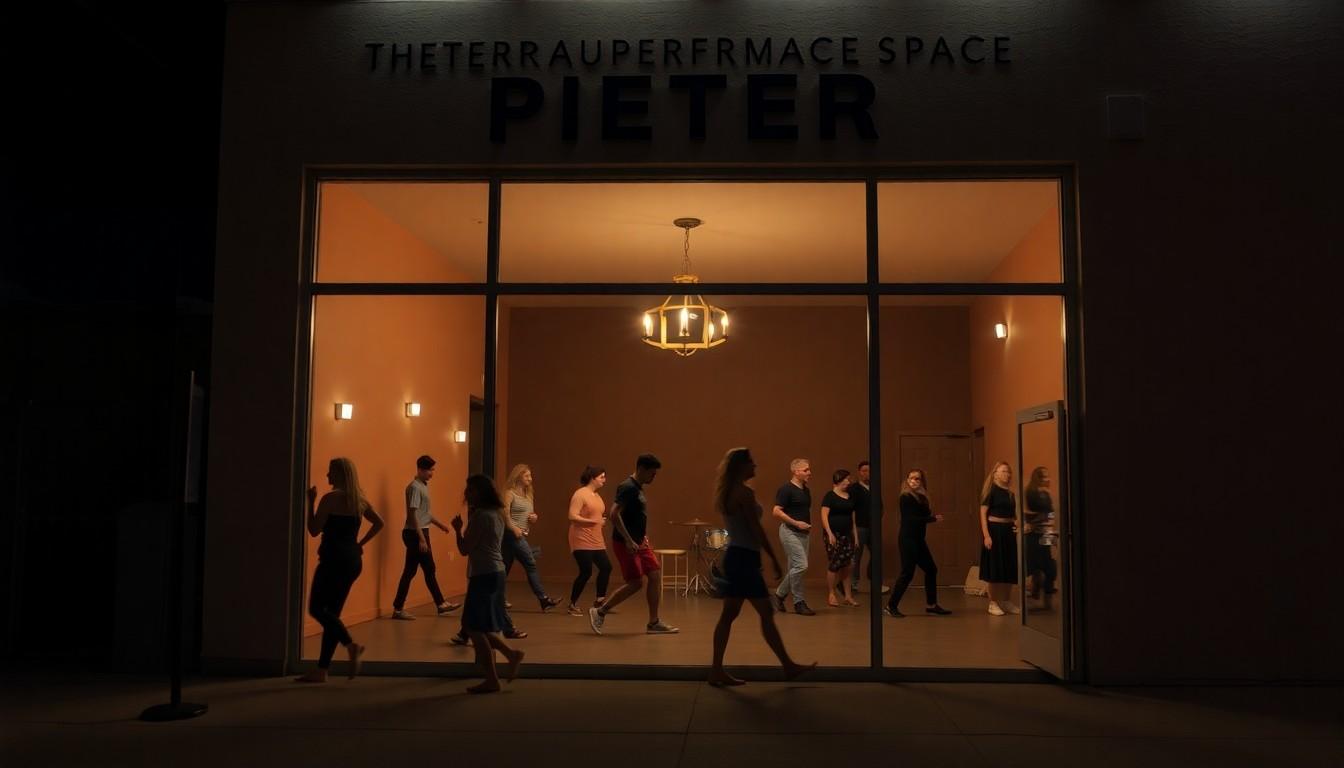
Shoppers are turning to lived history and late-night joy: Bernard Brown’s Sissies: Something Perfect Between Ourselves brings the tenderness, spectacle and archive of L.A.’s Black queer underground clubs to Pieter Performance Space this Juneteenth weekend , a free exhibition plus a ticketed, club-like dance performance that asks you to move, feel and remember.
Essential takeaways
- What it is: A two-part project , a free archival installation and a ticketed dance performance blending vogue, hand performance and club culture.
- When and where: Exhibition runs Friday–Sunday at Pieter Performance Space; the performance is Saturday at 8:30pm. Tickets must be booked in advance.
- Mood and format: Expect an informal, participatory club atmosphere , the venue invites audience reaction and a post-show dancefloor.
- Artistic roots: Choreographer Bernard Brown draws on personal, autoethnographic memories of L.A. clubs and works with local voguers and DJs.
- Community stakes: The project aims to preserve intergenerational learning and create a lasting home for archives of Black queer nightlife.
A living archive you can dance in
Sissies opens like a memory unfolded, smelling faintly of vinyl and the bright charge of a club night. Bernard Brown, who grew up in L.A.’s queer club scene and now teaches dance, has turned those memories into an installation and performance that feel both intimate and ceremonious. According to Pieter Performance Space, the exhibition runs across Juneteenth weekend and the evening performance invites the audience to behave like they would in a club , noisy, responsive and ready to move.
Brown treats his material as autoethnography, which means the work carries the grain and detail of someone who was there, not just someone who researched it. That makes the textures of the show , vogue gestures, catwalks, floorwork , feel authentic and tender. For visitors, it’s less about theatre etiquette and more about entering a room where intergenerational transmission of queer dance lives again.
Why it matters: preserving a fragile history
Across the US and in Los Angeles, queer Black nightlife has often been erased, sanitised or misunderstood. Pieter’s director Rosalie Tucker frames Sissies as a corrective impulse: to claim truth and resist erasure. The show layers archival material with live performance so history isn’t stuck in a case but keeps moving.
That urgency is practical, too. Brown hopes the materials he’s gathered find a permanent home after the weekend, so future dancers and researchers can access them. If you care about cultural memory, this is the kind of grassroots preservation that actually keeps practices alive rather than consigning them to footnotes.
How the night feels , and how to be part of it
Think club, not proscenium. Tucker asks ticket-holders to “let it go” , laugh, shout, respond, and don’t worry about whispering. The performance’s structure lets the energy build; after the show the floor opens to the audience for a real dancefloor moment. That loose format makes Sissies a rare public event that’s equal parts performance and social ritual.
If you’re going, buy tickets ahead (they won’t be sold on the door) and arrive with an open mind and comfy footwear. If you want the exhibition, RSVP for the free viewing hours on Friday, Saturday or Sunday. Treat the installation like a museum with a pulse: read the materials, listen to the DJ score, then move if the impulse hits.
The collaborators who make it pulse
Sissies isn’t a solo nostalgia act , it’s a community project. The music comes from DeFacto X of Black Bass Collective, with visual direction and performance by Malachi Middleton, and a cast of L.A. dancers and voguers who’ve cut their teeth in the city’s scene. Brown describes watching younger performers pick up the same moves he saw decades ago and getting emotional; that lineage is visible on stage.
Pieter Performance Space has been building this show with people embedded in the city’s Black underground, so the work reads as practice and testimony rather than an outsider’s recreation. If you’ve seen warehouse parties or queer nights around L.A., you’ll recognise the DNA; if not, it’s an electrifying introduction.
Where this sits in the city’s cultural map
Los Angeles has long hosted a restless, creative nightlife , from The Catch One to unlicensed warehouse parties , that taught people how to be together. Sissies places those lessons under a spotlight while keeping the club’s communal warmth intact. At a moment when arts funding feels precarious and histories risk being overwritten, this show is both celebration and civic work.
Pieter Performance Space itself has been navigating funding instability, so projects like Sissies also spotlight the practical side of keeping small, experimental venues alive. Supporting the space with donations, attending thoughtfully and spreading the word are concrete ways to help.
It’s a small change that can make every chew safer.
Source Reference Map
Story idea inspired by: [1]
Sources by paragraph: