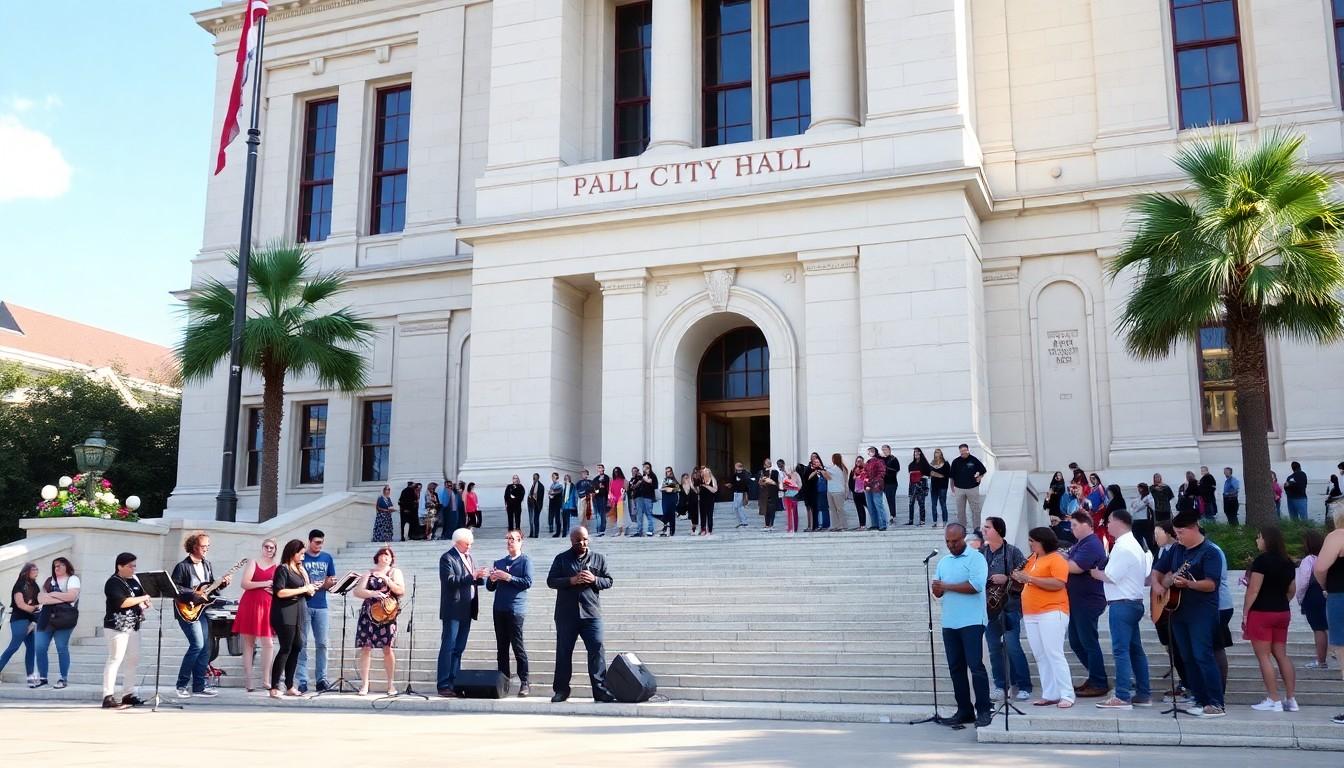
Shoppers and city workers will notice something different next week: Jacksonville is hosting a family-friendly Pride Month event in the City Hall atrium, and organisers say it’s meant to celebrate community rather than court controversy. Here’s what’s planned, why officials say it’s safe for all ages, and what it means for local politics and culture.
Essential Takeaways
- Family-friendly line-up: City officials describe chorus performances of “True Colors” and “Over the Rainbow,” not drag or adult-themed acts.
- Legal question raised: A state senator asked whether speeches or live shows could run afoul of SB 1438’s restrictions on certain performances.
- Mayor’s office confident: Spokespeople for Mayor Donna Deegan say the event won’t violate state law and note there’s no content meant to be sexual.
- Public, taxpayer-funded venue: The event is in the City Hall atrium during work hours, so accessibility, and the presence of minors, was central to the inquiry.
- Civic context matters: The mayor’s visible support for LGBTQ+ community events has sat poorly with some Republicans, but organisers are stressing inclusion and simplicity.
What’s actually on the programme , and why it matters
The organisers say the event is short and straightforward: community members gathering in the atrium to sing well-known, inclusive songs and hear brief remarks. The sound is meant to be warm rather than provocative, the kind of thing that leaves you humming on your way back to the office. According to city spokespeople, there are no drag numbers or performances of an adult nature planned, simply choral renditions of “True Colors” and “Over the Rainbow.”
That matters because the event takes place in a taxpayer-funded, public building during daytime hours. The optics of a Pride gathering at City Hall are intentionally civic: it’s a municipal expression of support rather than a commercial or ticketed spectacle. For parents, workers and passers-by, that distinction is the fulcrum of the debate.
The legal question: why a senator asked for details
A state senator wrote to the mayor seeking specifics on speeches, presentations and live performances, citing SB 1438 , the law that targets performances the legislature says depict or simulate sexual conduct or appeal to prurient interests. That letter reflects broader concerns in Florida about how public events intersect with new state rules on “adult” content.
City officials counter that the planned performances are standard community singing and brief remarks, which they say don’t fit the kinds of performances SB 1438 targets. As the mayor’s office dryly noted, they’re not aware of any statute that bans singing. The exchange shows how tight the scrutiny is right now when government hosts or promotes public events.
Politics and past tensions: context behind the reaction
Mayor Donna Deegan’s public support for the LGBTQ+ community hasn’t always been uncontroversial. Last year she served as grand marshal of a pride parade that later drew criticism over alleged conduct at the event. That history helps explain why elected officials from across the aisle are watching closely.
But the local response also highlights something familiar: municipal leaders often balance signaling support with choosing programming that minimises political flashpoints. This Pride Month event reads as an attempt to celebrate without escalating a culture-war moment, and organisers appear to have kept the content deliberately gentle.
How to judge safety and suitability for your family
If you’re planning to attend, expect a short, accessible programme: singalongs, speeches and community-facing presentations. For parents worried about content, the simplest step is to check the city’s event posting or contact the mayor’s office for a rundown of performers and planned remarks. If you prefer a larger, festival-style Pride experience, local listings show other concerts and story sessions around town that cater to different tastes and age groups.
Public events at civic venues often follow stricter guidelines than private festivals, so if you like calm, inclusive gatherings that still celebrate identity, this is likely a good fit. If you want fireworks or theatrical performances, look elsewhere.
What this means going forward
This small, civic Pride event is a microcosm of a bigger pattern: cities trying to honour diverse communities while navigating changing state rules and partisan scrutiny. The outcome here is modest but instructive , a way to publicly recognise Pride without courting legal or political drama.
It’s a small change that can make public celebration feel safer and more welcome for more people.
Source Reference Map
Story idea inspired by: [1]
Sources by paragraph: