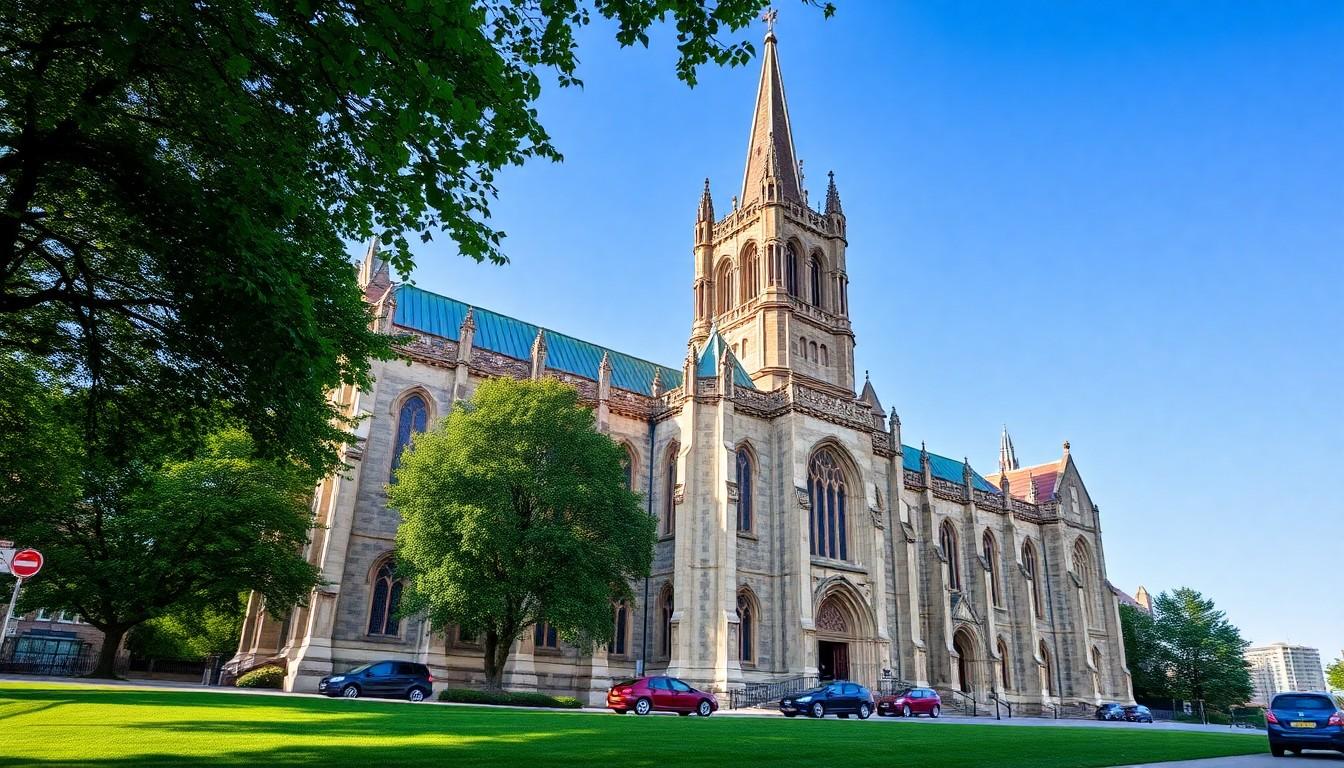
Shoppers of conscience and curious churchgoers have noticed change: the Church of England’s February vote to pause Living in Love and Faith has left leaders, LGBTQ+ members and congregations wrestling with what comes next , a pivotal, often painful moment that still matters across England and the wider Anglican Communion.
Essential takeaways
- Clear decision: The General Synod voted to pause the Living in Love and Faith programme and shelve proposals for dedicated same‑sex blessing services, creating a pause rather than a resolution.
- Emotional impact: Many LGBTQ+ clergy and laypeople feel hurt and betrayed, while some conservatives welcomed the halt as protecting doctrine.
- Practical shift: Only existing prayers for same‑sex couples within ordinary services remain in use; fuller liturgical recognition was put on hold.
- Global ripple: The outcome matters to the Anglican Communion, where divisions over sexuality have strained international ties and provoked talk of alternate structures.
- What’s next: A Relationships, Sexuality and Gender Working Group is due to look into future options, while upcoming Synod elections could reshape the debate.
What actually happened at the Synod , facts first
The February vote effectively paused the LLF process, leaving the Church without a clear new policy on same‑sex relationships and marriage. The bishops acknowledged the pain caused during years of discussion, and instead of approving dedicated blessing services the Synod confirmed that only the existing prayers available within ordinary services would stand. According to the Church of England’s own briefings, the step was intended to steady the ship , yet it has had the opposite effect for many.
Why LGBTQ+ people feel the decision is a retreat
For those who’d hoped the church was inching towards inclusion, the pause felt like a door slammed shut. People who devoted time to consultations and listening exercises said it was frustrating to be asked to wait again. Reports from clergy and campaign groups describe a mix of exhaustion and betrayal, and some individuals have already left the church or sought ministry elsewhere because the pace of reform wasn’t fast or decisive enough.
How conservatives see the pause , holding doctrine or avoiding change?
Conservative diocesan leaders welcomed the halt as a defence of traditional marriage doctrine, arguing that the church shouldn’t bend theological teaching to social trends. Even so, not all conservatives are relaxed: some remain uneasy about the limited prayers that are tolerated within services, and a few have floated the idea of alternative Anglican structures if disputes continue. So the pause may have bought breathing space, but it hasn’t healed the divisions.
The wider Anglican picture , a Communion under strain
This isn’t only a domestic story. The Church of England sits at the historic heart of the Anglican Communion, and disagreements over sexuality have already put pressure on relationships with provinces in Africa, Asia and the Global South. Moves towards inclusion have prompted criticism and warnings that unity could splinter; delaying change might soothe some international partners, but it won’t erase the long‑running tensions that many churches abroad view as existential.
What to watch next , working groups, elections and everyday church life
Church leaders have set up a Relationships, Sexuality and Gender Working Group to revisit legal and theological questions, but scepticism runs both ways: progressives fear another stall, conservatives fear reopened debates. Meanwhile, General Synod elections later this year look set to be a battleground, with both sides mobilising supporters. At parish level, the practical question for many is simple , where does my community stand, and will my church feel like home in five years’ time?
Practical tips for people trying to make sense of it all
If you’re affected directly , a congregant, clergy or partner of someone who is , start locally: talk to your vicar or laity, check diocesan guidance, and join listening groups where they exist. If you’re trying to decide whether to stay involved, weigh theological conviction against pastoral experience and community ties. And if you care about change, consider voting in Synod elections or supporting groups that reflect your views: institutional shifts often come through organised, persistent engagement.
It's a fraught chapter, but the conversation is far from over , and what happens next will shape both church life and the place of faith in modern Britain.
Source Reference Map
Story idea inspired by: [1]
Sources by paragraph: