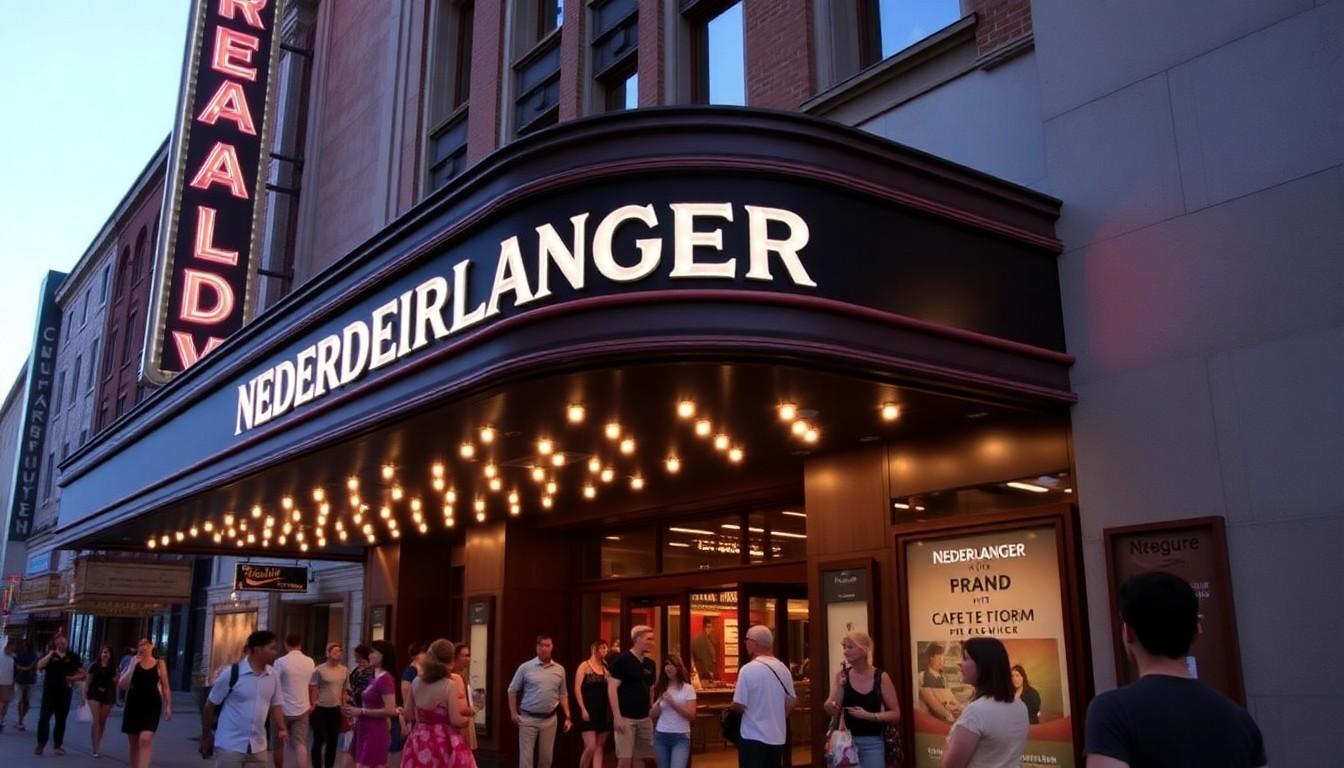
Shoppers and theatre-goers alike are noticing a bold shift: Broadway feels unapologetically queer this season. A dozen shows on the Great White Way foreground LGBTQ+ lives, from reimagined classics to campy mashups , and that visibility matters as Pride Month unfolds, locally and across the country.
Essential Takeaways
- Record representation: A dozen current Broadway productions include LGBTQ+ characters or themes, the most since this annual census began.
- Pride in performance: Cats: The Jellicle Ball will lead the NYC Pride March on 28 June, highlighting Broadway’s public-facing role.
- Varied portrayals: Shows range from explicitly queer recastings to subtle, matter-of-fact gay characters , tones that are defiant, celebratory or quietly human.
- Sensory notes: Expect vivid costumes, bold choreography, and emotionally charged musical numbers that feel both nostalgic and fresh.
- Practical tip: If you want overt queer storytelling, check productions billed as “completely and iconically Queer”; for lighter representation, look for ensemble casts with matter-of-fact LGBTQ+ roles.
Broadway’s queer surge: more than numbers, it’s a moment
Broadway has a dozen shows this season with LGBTQ+ content , a small headline that belies a bigger cultural shift, because a number doesn’t capture how central queer life has become onstage. This year’s crop reads like a map of queer histories and fantasies, from ballroom culture to 1980s teen yearning. Industry coverage notes Cats: The Jellicle Ball will actually open the NYC Pride March, which makes the theatrical presence literal as well as symbolic. For audiences, the experience is vivid: glitter, basslines and voices that insist on being heard.
Recasting classics as queer statements
Some revivals and reimaginings lean fully into queer identity, turning familiar material into statements. Cats: The Jellicle Ball, for instance, recasts every character as part of the Harlem ballroom scene, bringing authentic voices and performers from that world onto the big stage. That’s not just a casting choice; it’s cultural reclamation, and it lands as a joyful, defiant look at queer community. If you want theatre that feels like activism and party in one, these productions are the place to be.
Newer plays: quiet, complex representation
Not every show shouts its queerness. In David Lindsay-Abaire’s The Balusters, gay characters are woven into the neighbourhood tapestry , their sexuality is part of them but not their whole story. That matter-of-factness can feel radical in its own way, normalising queer lives in contemporary drama. For viewers who prefer nuance over manifesto, these plays offer grounded performances and small, meaningful plot beats rather than broad declarations.
Camp, parody and full-throttle gay joy
Broadway still loves camp, and shows such as Titanique and The Rocky Horror Show deliver full-throttle, joyful excess. These productions revel in queerness with over-the-top costumes and wink-heavy humour, and they’re designed to make you laugh, sing and strut out of the theatre feeling a bit sunnier. If you’re planning a Pride-night outing with friends, these high-energy, audience-friendly musicals are built for that communal, celebratory vibe.
Historical and political retellings: revisiting tough stories
Some productions return to older, tougher narratives with fresh lenses. Dog Day Afternoon and The Fear of 13 revisit true stories that centre queer desire, trauma and resilience; the updates often try to correct or clarify past ambivalence. These plays can be intense , they’re not light entertainment , but they’re crucial for understanding how queer people have navigated law, violence and longing. Go prepared: expect grit and emotional weight, balanced by performances that aim to honour real lives.
Choosing what to see: quick guide
Pick a show based on tone and company. Want flamboyance and a sing-along? Choose the campier mashups. Looking for social realism? Opt for contemporary plays that treat queerness as everyday life. If authenticity of community matters most, prioritise productions that cast performers from the worlds they depict, like ballroom culture. And check run dates: some productions are limited or closing soon, so book early if something feels essential.
It’s a small change that can make every curtain call feel like a celebration of who gets to be seen.
Source Reference Map
Story idea inspired by: [1]
Sources by paragraph: