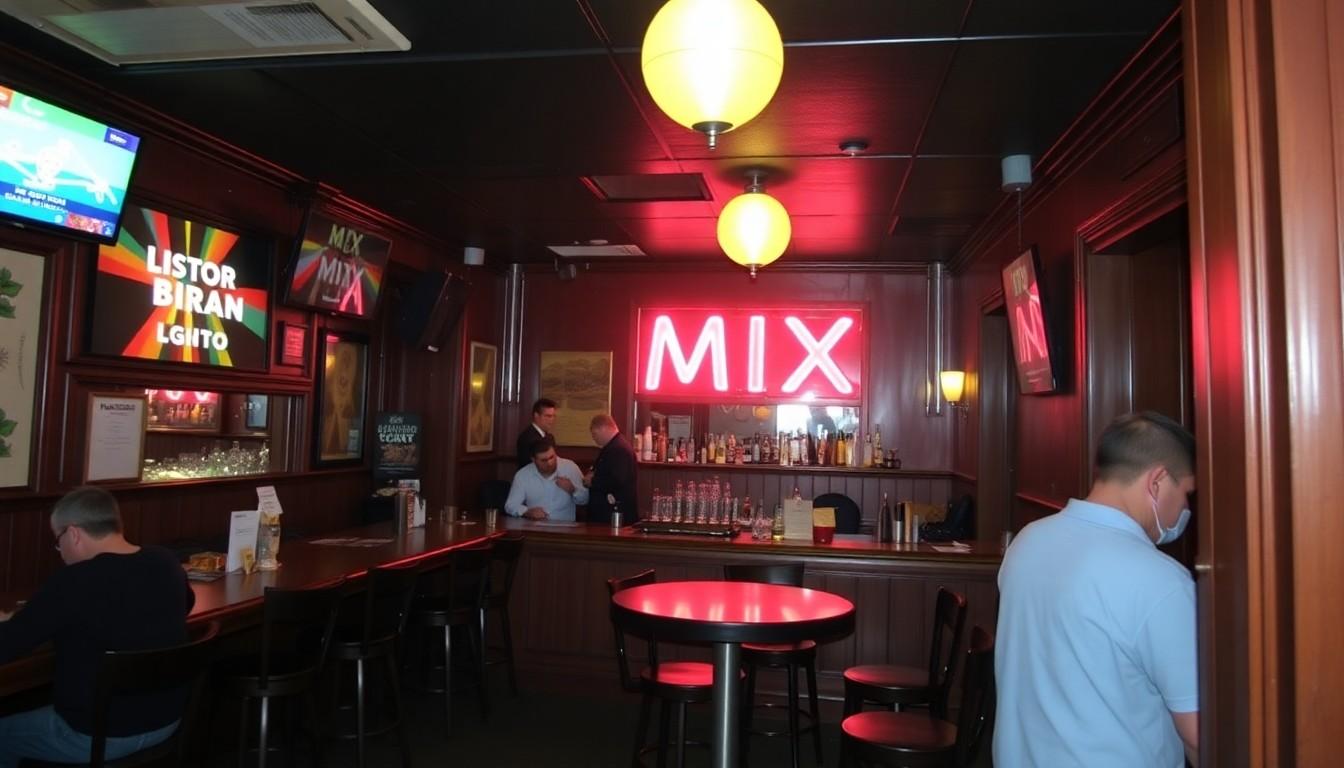
Shoppers and bar‑goers are pushing back as face‑scanning kiosks quietly appear in San Francisco’s Castro, sparking privacy scares for LGBTQ+ patrons who expect safety and discretion; here’s what’s happening, why it matters, and how venues can keep queer spaces private and welcoming.
Essential Takeaways
- What’s deployed: Patronscan and similar face‑scanning kiosks are being used at multiple Castro bars to log IDs and scan faces, storing personal and behavioural data.
- Data practices: Collected data can include names, addresses and gender markers and is kept on cloud platforms for at least 30 days, with flagged records retained longer.
- Community harm: Digital rights groups warn this surveillance risks outing or exposing vulnerable patrons to harassment, given political targeting of LGBTQ+ people.
- Transparency issues: Staff often aren’t required to tell customers about scans beyond a small sticker on the device; many patrons report being surprised.
- What you can do: Ask venues about policies, avoid bars using biometric kiosks, sign petitions, and support local bans or ordinance changes.
What patrons saw at the door , it felt like airport security
Step into some Castro bars and you might be surprised to find a small monitor and forensic‑style scanner where the bouncer usually asks for ID. That’s the experience guests described to Gazetteer SF and other outlets, and the image is jarring , a sleek camera, a screen and a data input pad, all promising to make door checks more “efficient.” This isn’t hypothetical: reporters and customers found Patronscan Guard+ units in several neighbourhood venues. The device’s quiet hum and the forensic aesthetic give an emotional jolt; you expect warmth at a gay bar, not a security checkpoint. For many, that immediate discomfort translates into deeper worries about how their personal details might be stored or shared.
How the technology works and what gets collected
These kiosks scan a government ID, log the visible info, and take a facial image to match against a networked blacklist or flag system. According to reporting and local coverage, the platform stores names, addresses, gender entries and behavioural notes , the sort of data you’d prefer didn’t sit on a vendor’s server. Companies like Patronscan market this as loss‑prevention and safety tech, but privacy advocates point out the risks: data residency, retention policies and the potential for cross‑venue networks that let multiple bars share the same flagged lists. That’s why activists are calling the setup more surveillance than welcome.
Why LGBTQ+ groups are alarmed , history matters
Fight for the Future and other digital‑rights organisations have been vocal about banning facial recognition in queer spaces. Their complaint isn’t just abstract privacy rhetoric; it’s grounded in history. Surveillance has been used repeatedly to target queer communities, and in a climate of rising anti‑LGBTQ+ political hostility, any centralised list or biometric trail can be weaponised. Campaign directors argue gay bars should be refuges, not nodes in a tracking matrix. That line of thinking has driven petitions, social campaigns and calls for venues to “read the room” and ditch the scanners before someone is outed or harmed.
How venues justify the tech , safety, fraud and convenience
Bar owners and managers often frame the kiosks as practical: faster ID checks, a way to keep serial troublemakers out, and a digital log for incidents. Staff at some Castro venues told reporters the scanner had been there longer than certain employees had worked, suggesting the systems were bought and installed quietly and became routine. Still, convenience isn’t the same as consent. Patrons say they weren’t told clearly, and disclosure tends to be a small plaque on the kiosk rather than an active explanation from staff. If a bar insists on using scanning tech, clear signage and a visible opt‑out process should be the bare minimum.
What you can do as a patron or local supporter
First, ask. When you reach the door, enquire whether the venue uses a facial scanner, what data it stores, and how long it’s kept. If you’re uncomfortable, refuse the scan , you may find staff will accept a manual ID check instead. Second, lend your voice: sign petitions, follow digital‑rights groups, and push for local ordinances that restrict biometric surveillance in public and private venues. Finally, consider alternatives: frequent bars that pledge not to use facial recognition, support businesses that publicly commit to privacy, and share your experience on social channels to raise awareness. Small choices add up; running from a camera is never as satisfying as reclaiming the space.
Bigger picture , could policy catch up?
Cities have restricted facial recognition before: San Francisco itself moved in 2019 to curb city agency use of the tech, showing there’s precedent for limits. But private vendors and venues move faster than laws. Media coverage from local outlets has provoked public backlash, and that pressure may spur councils to update rules for commercial use in sensitive spaces. Expect continued scrutiny: when queer communities speak up, politicians and proprietors tend to listen. The coming months will likely reveal whether bars remove the kiosks, adopt transparent practices, or wait for regulations to force their hands.
It’s a small change that can make every night out feel safer and more like what queer nightlife should be.
Source Reference Map
Story idea inspired by: [1]
Sources by paragraph: