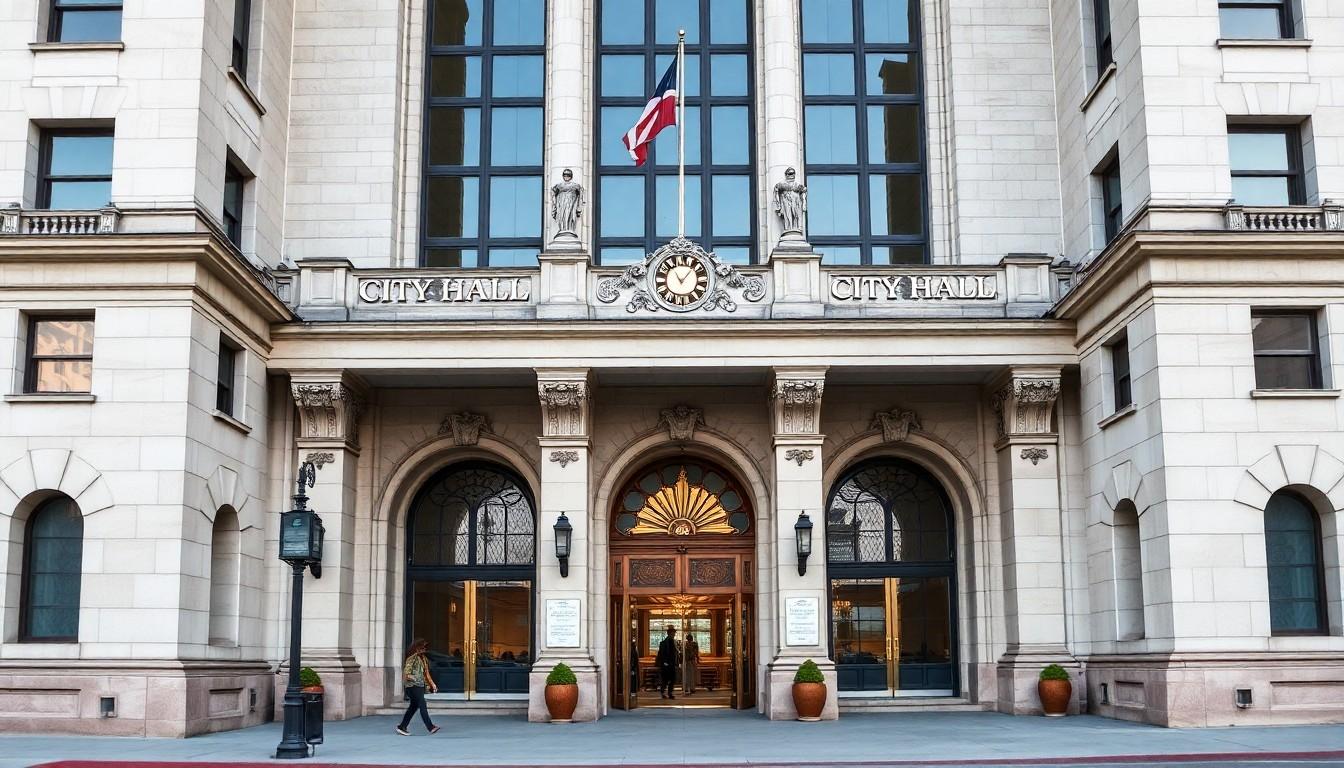
Shoppers are turning to law and sanctuary as San Francisco expands its Fair Chance protections; city leaders rallied at City Hall to strengthen rules that stop employers and landlords asking about convictions, a move aimed at shielding people fleeing criminalisation for abortion or gender-affirming care.
Essential Takeaways
- Broader protections: The ordinance extension clarifies recourse for applicants whose rights are violated and raises fines for asking about convictions.
- Out‑of‑state safety: It’s designed to prevent convictions from other states , including for reproductive or gender‑care issues , being used to deny jobs or housing.
- Political context: San Francisco has been a haven for people escaping punitive laws elsewhere and formally declared sanctuary protections for trans and gender non‑conforming people in 2024.
- Practical effect: The committee passed the expansion unanimously and it now goes to the full Board of Supervisors for a summer vote.
- Feel: The rally had a hopeful, defiant tone , organisers spoke of fresh starts, relief, and the city’s welcoming vibe.
Why this matters now: a sanctuary city doubles down
San Francisco has long been a refuge for people fleeing hostile state policies, and the revised Fair Chance Ordinance underlines that identity with a practical tweak you can feel , relief. According to local reporting from the City Hall rally, leaders framed the extension as a guardrail for people who move here after being criminalised elsewhere for abortions or gender‑affirming care. That’s not abstract: background checks can carry convictions across state lines and wreck chances for housing or work even when the conduct was legal in California.
This latest push grew from the 2014 “Ban the Box” law, and the momentum is clear. Supervisor Bilal Mahmood sponsored the update to tighten enforcement and increase penalties, and the committee vote was unanimous. Expect the measure to be debated publicly this summer; advocates hope a full Board vote will cement the city’s position as a safe place to rebuild.
What’s actually changing: clearer rules and stiffer penalties
The expansion isn’t throwing out the old law so much as sharpening it. Officials want clearer pathways for applicants to seek recourse if employers or landlords violate the ban, and larger fines to deter repeat offenders. Practical documents from San Francisco’s Office of Labor Standards Enforcement and legal analyses of the original ordinance show those kinds of changes make the rule easier to enforce and more meaningful on the ground.
For people who’ve moved from states that criminalise abortion or gender‑affirming care, that means a conviction that exists on paper shouldn’t be an instant green light to deny them housing or a job in San Francisco. Employers and landlords will need to re‑check procedures, and tenant and worker advocates will likely step up outreach so newcomers know their rights.
How this connects to the national picture: laws in other states drive local action
The update sits inside a bigger national story: some states have new bans on abortion and are advancing measures targeting trans and gender‑diverse care. Data from health and policy trackers highlights that dozens of states have restrictive bills in play or outright bans, so people are voting with their feet and moving to safer places. Cities like San Francisco are responding by making local policy that prevents those out‑of‑state penalties from following people indefinitely.
That legal patchwork is why local ordinances matter now more than ever. Even if a conviction originated somewhere else, a city can say it won’t participate in the cycle of exclusion, and can offer straightforward remedies when its own residents face discrimination.
What this means for employers, landlords and residents
If you run a small business or manage lettings in the city, now’s the time to update application forms and HR practices. The original ordinance removed conviction check boxes; the expansion adds the teeth, clear complaint routes and heftier fines. Industry guidance from employment law firms and local enforcement FAQs suggests employers should train staff, revise background‑check procedures, and document hiring decisions carefully.
For residents and newcomers, the practical advice is to keep records: save application materials, correspondence, and any notices that suggest you were asked about convictions. Contact local advocacy groups or the city’s labour enforcement office if you suspect a violation. Organisers at the rally urged people to speak up; practical follow‑through will be essential to make the law work.
The human angle: fresh starts and civic signalling
At City Hall, speakers grounded the policy in lived experience , from a trans pride organiser grateful for sanctuary to activists carrying signs that read “protect trans youth.” The rhetoric was plain: remove the early‑life obstacles that keep people from getting into the room where decisions happen. That’s both compassionate and strategic. San Francisco is signalling to the state and the country that basic civil opportunities , work, shelter, dignity , are worth defending legislatively.
If the Board approves the measure, expect other progressive cities to watch closely. The politics here were unusually united for a measure that once drew business scepticism; today it seems to encapsulate a wider civic consensus in the city.
It’s a small legal tool with big ripple effects , and for many newcomers, it’ll be the difference between another closed door and a real chance.
Source Reference Map
Story idea inspired by: [1]
Sources by paragraph: