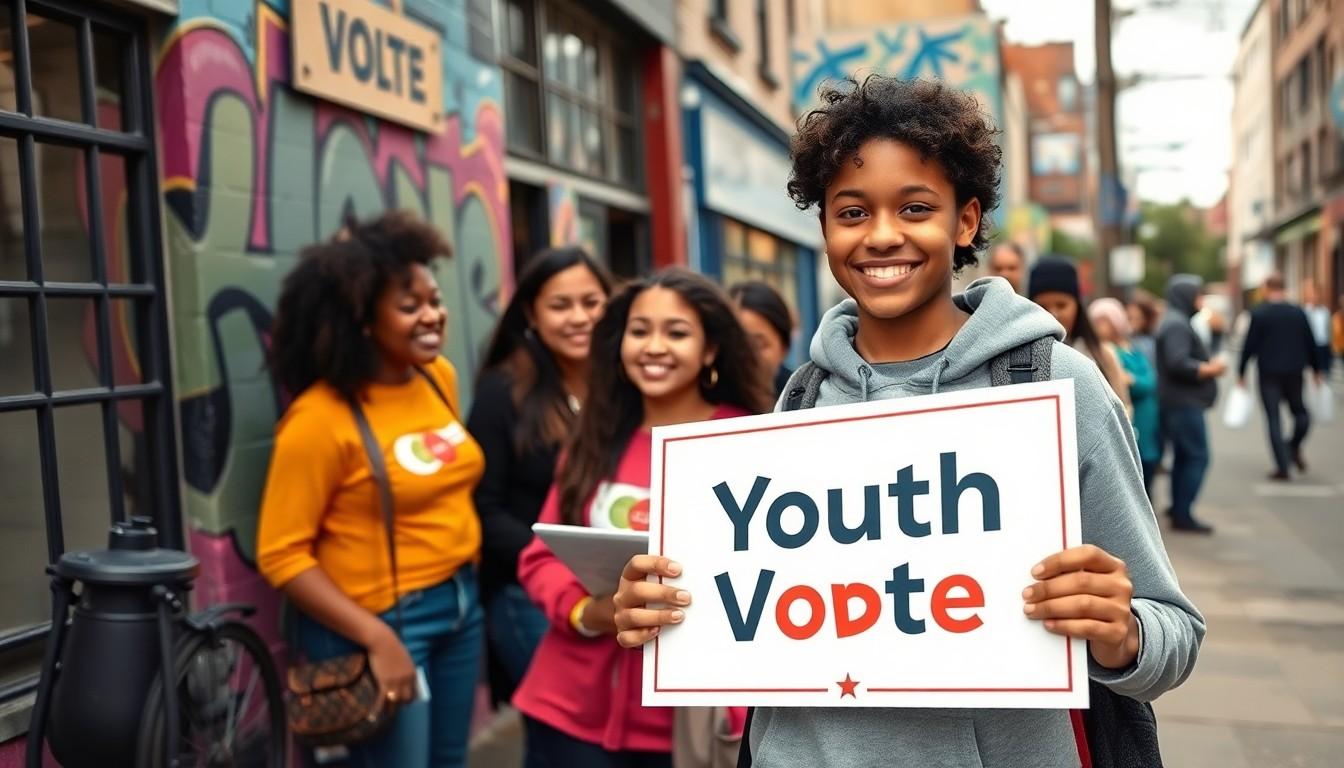
Shoppers are turning their attention to more than rainbow flags this Pride: new polling shows likely voters nationally prefer candidates who openly support LGBTQ+ rights and back policies for LGBTQ+ youth, a signal that pro-equality positions still carry political weight even amid culture-war noise.
Essential Takeaways
- Clear voter preference: By a 19-point margin, likely voters favour candidates who vocally support LGBTQ+ rights over those who vocally oppose them.
- Cross-party pockets: Majorities of Democrats and Independents prefer pro-LGBTQ+ candidates, and about one in four Republicans do too.
- Younger and female voters lead: Women and people under 45 show higher preference for vocal LGBTQ+ support, suggesting demographic energy behind the issue.
- Familiarity matters: People who personally know a transgender person are markedly more likely to back pro-LGBTQ+ candidates and policies.
A surprising clarity in a noisy debate
The clearest takeaway from the recent Data for Progress polling is simple: voters say they prefer candidates who openly support LGBTQ+ rights. That might feel at odds with the headlines , cable news, attack ads and state-level legislation have made trans issues a headline-grabbing culture-war topic , but when asked directly, likely voters picked pro-equality candidates by a substantial margin. The preference is not just theoretical; it reflects a quiet, practical judgement voters make about who they want representing them.
Context helps explain why this matters. During the 2024 cycle, opponents invested heavily in messaging around transgender issues, yet this new data suggests those ads haven’t translated into majority support for anti-LGBTQ+ candidates. For campaigners and voters alike, it’s a reminder that loudness in the media isn’t always the same as majority opinion at the ballot box.
Who’s driving the gap , age, gender and personal ties
Demographics shift the needle. Women and voters under 45 show higher levels of support for candidates who vocally back LGBTQ+ rights, which means campaigns targeting those groups can expect receptivity to pro-equality messaging. Independents also break towards support, suggesting the issue isn’t confined to the partisan base.
Perhaps most human of all is the effect of personal connection: people who know a transgender person are more inclined to back pro-LGBTQ+ candidates. That mirrors other research showing familiarity reduces stigma and increases empathy, and it hints at why community visibility and personal stories still carry political power.
Policy preferences beyond candidates , youth-focused measures gain traction
Voters didn’t just weigh candidates; the polling also probed policy preferences, and support extends to concrete measures aimed at helping LGBTQ+ youth. That’s important because it reframes the debate from abstract culture wars to tangible questions about healthcare, school safety and support services. For parents, educators and local officials, this makes a difference , policies that protect young people tend to draw broader public sympathy than headline-grabbing rhetoric.
For practical politics, the takeaway is useful: messaging that emphasises care and concrete help for youth can resonate across party lines, especially with younger voters and independents who may be put off by more confrontational framing.
Why national headlines don’t tell the whole story
There’s no denying the intensity of anti-LGBTQ+ organising in certain states and the barrage of targeted ad spending by some campaigns. Still, public-opinion snapshots like this show national-level preferences are more nuanced. Voters rank LGBTQ+ issues lower on their list of deciding factors, yet when asked to choose between candidates based on vocal support or opposition, the pro-LGBTQ+ option wins comfortably.
That mismatch matters for strategists: issues that are low on priority lists can still sway voter choice when they speak to values or character. Campaigns that assume the loudest voices on TV reflect majority public opinion risk misreading the electorate.
What this means for voters and campaigners
If you’re a voter, the poll suggests it’s worth listening beyond the headlines: candidates’ stances on LGBTQ+ rights and concrete youth policies can signal broader commitments to inclusion and public-service priorities. If you’re a campaigner, focus groups and outreach that put human stories front and centre are likely to be effective , and remember that younger voters and women may be particularly receptive.
Finally, community organisations and educators should take heart: policy measures designed to support LGBTQ+ youth can find public backing when framed around safety and wellbeing rather than pure ideology.
It's a small but useful correction to the soundtrack of the culture war: visible support for LGBTQ+ people still matters to a lot of voters.
Source Reference Map
Story idea inspired by: [1]
Sources by paragraph: