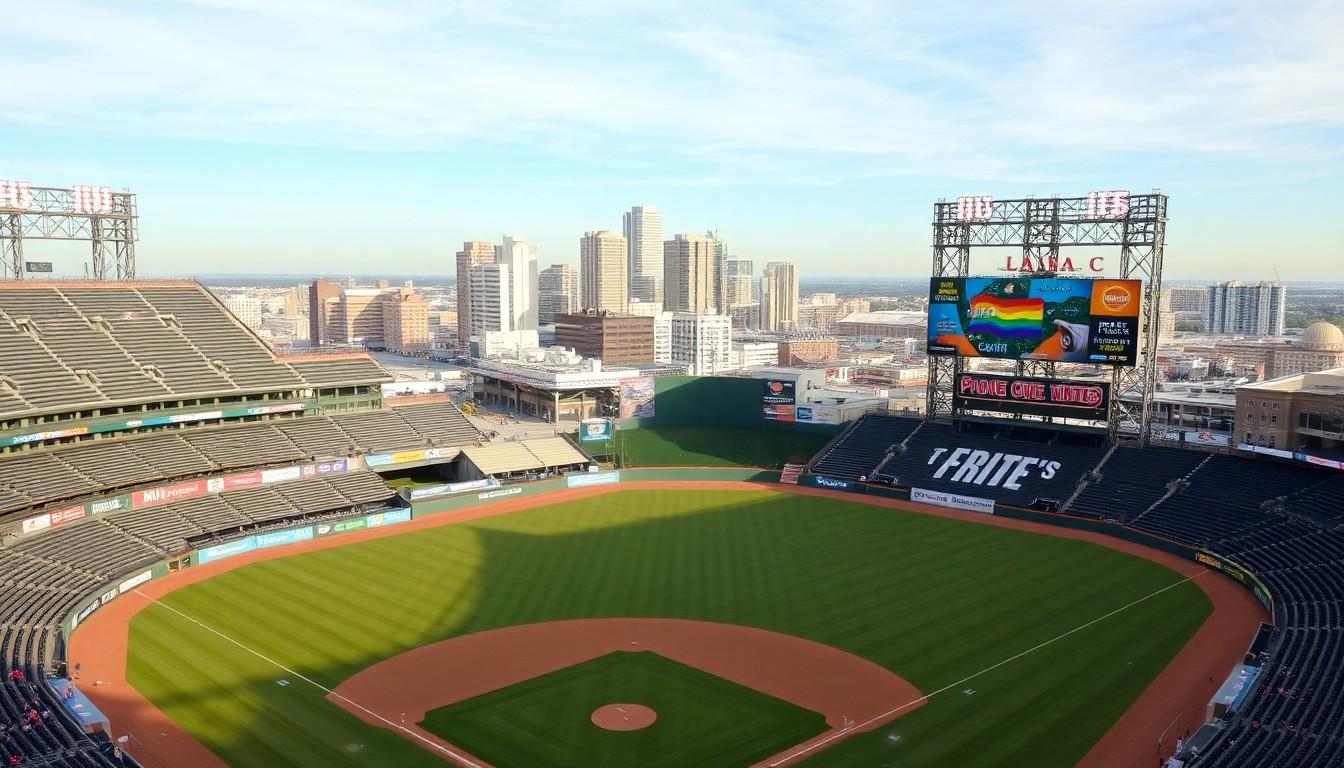
Shoppers are talking, fans are divided and a minor-league baseball game in York, Pennsylvania became a flashpoint after multiple players refused to wear Pride-themed jerseys, prompting the club to cancel the scheduled game and still hold a free community event, here’s what happened, why people care, and what to watch next.
Essential Takeaways
- What happened: The York Revolution cancelled their scheduled game after enough players declined to wear Pride Night jerseys, so the match versus Southern Maryland was not played.
- Team response: The club called the players’ choice “inconsistent with our vision” and pledged a $10,000 donation to a local LGBTQ+ group, the Rainbow Rose Center.
- Player stance: Reports indicate fewer than nine of 28 rostered players agreed to wear the rainbow uniform, leaving the club unable to proceed.
- Public reaction: Coverage and social posts quickly amplified the story, turning a minor-league promotional night into a national culture discussion.
- Fan notes: The club converted the evening into a free-admission Pride event and offered ticket refunds or exchanges.
Players refused the jerseys , and the game didn’t go ahead
The clearest fact is simple: the scheduled game was cancelled after a significant number of players said they wouldn’t put on Pride-themed jerseys. Local and national outlets reported the decision within hours, and the scene played out as a mix of locker-room conviction and club-level crisis management. The jerseys themselves were a promotional uniform for Pride Night, and the refusal left the team with too few willing players to field a roster. For fans at the gate it must have felt surreal , a summer night intended to celebrate community instead became headline news. According to regional reporting, the club treated the change as a rainout and offered ticket holders future game credit.
The club balanced disappointment with a donation and a separate event
York Revolution leadership publicly expressed frustration while also trying to limit harm. The organisation described the players’ action as not aligned with its stated aim to be “the Most Welcoming Place in York,” and announced a $10,000 donation to the Rainbow Rose Center. Rather than scrap the Pride event entirely, the club hosted a free-admission community gathering without the game. That approach signals the club wanted to demonstrate support for its LGBTQ+ partners while not forcing players to do something they said they were uncomfortable with. It’s a careful, if contentious, piece of damage control.
How coverage amplified the moment and fuelled the debate
Once social posts and national outlets picked up the story, it quickly left York and entered the culture wars. Clips and screenshots circulated on platforms that often spotlight these flashpoints, and both conservative and progressive outlets framed the incident through different lenses. NBC, KPTV and local NBC affiliates focused on the logistics and the donation; LGBTQ and sports-focused publications contextualised the move within broader conversations around inclusivity in sport. The intensity of that coverage shows how promotional nights, meant to be inclusive gestures, can become polarising when player beliefs and community expectations collide.
What this says about identity, sport and promotions
Promotional nights have become a common tool for teams to signal values, build partnerships and bring in fans. But this episode highlights a thorny truth: teams are organisations made up of individuals with diverse beliefs. When a promotion asks a player to visibly endorse a cause, it can put personal conscience against organisational messaging. For clubs, the practical takeaways are clear , check for potential conflicts well ahead of game day, have contingency plans for uniforms and staffing, and communicate expectations in contract or team policy language if you want consistency. Fans who prefer politics-free sport will read this as vindication; others see it as a moment that tests genuine inclusivity.
What fans and teams should watch next
Expect follow-ups: interviews with players, statements from community partners, and possible policy conversations within minor-league organisations. Teams might tighten promotional planning, and community groups could reassess partnerships or outreach strategies. For fans curious about the finer points, look for the team’s internal messaging, any league-level commentary, and how similar events are handled elsewhere. If you’re buying tickets to a themed night in future, it’s worth checking the promotional details and, if you care, reaching out to the club about how they’ll handle disagreements.
It’s a small moment that says a lot about public life in 2026, and it will be interesting to see whether teams, players and communities land on new norms.
Source Reference Map
Story idea inspired by: [1]
Sources by paragraph: