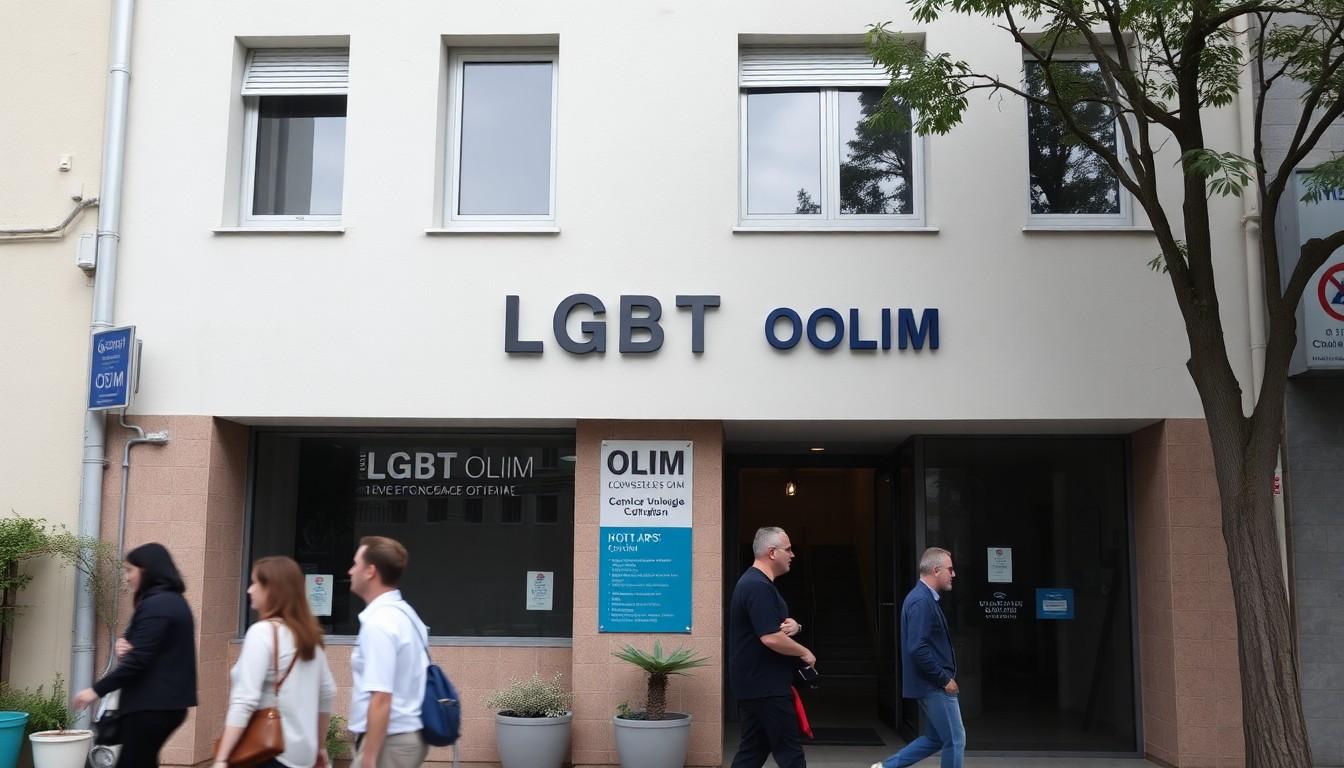
Spotting a friendly face when you arrive can change everything. Shoppers are turning to online groups and grassroots organisers like LGBT Olim to help LGBT newcomers settle in Israel, find events, Hebrew help and a social safety net , practical, low-cost ways to build a life without fluency in Hebrew.
Essential Takeaways
- Community-first: LGBT Olim runs free and low-cost meet-ups across Israel, with an emphasis on inclusivity and a “soft landing” for new arrivals.
- Events variety: Regular Shabbat dinners, movie nights, quizzes, holiday seders and online gatherings help newcomers feel at home.
- Security-conscious: Organisers vet attendees to balance openness with member safety after past hateful responses.
- Practical help: Free Qulpan Hebrew classes (queer + ulpan) and online sessions help people settle before and after arrival.
- Room to grow: Groups want closer ties with aliyah agencies so more new olim can hear about community options early.
Why a welcoming group matters on arrival
Walking into a new country is noisy and disorienting; add language barriers and the need to find a like-minded social circle and it’s easy to feel stranded. Roy Freeman, a British-born community organiser, found that out the hard way after making aliyah to be with his partner. His solution was simple and human , create a place where LGBT people who don’t yet speak perfect Hebrew can meet, eat and laugh without pressure. The result is a grassroots network that fills a very practical gap for new olim.
How social media turned lonely arrivals into a network
Freeman started an LGBT Olim Facebook page in 2013 to reach English-speaking LGBT people across Israel. What began as a banner at Tel Aviv Pride soon grew into a monthly newsletter and city meet-ups from Jerusalem to Beersheba. According to organisers, the group’s early success shows how social platforms can create instant neighbourhoods , you join online and then find the person who’ll drag you to your first Shabbat potluck. For future olim, that pre-arrival connection can make the first weeks far less scary.
Real events that make people stay , and smile
The backbone of LGBT Olim is its events. Regulars include Shabbat dinners, brunches, karaoke, board games and holiday celebrations like Passover seders and Purim parties. Many are free or very low cost because organisers know new olim often have months without work. Freeman says keeping events affordable and casual means people can show up just for company, not to be cornered into buying expensive food or drinks. That’s community-building with common sense baked in.
Safety, vetting and the fine line between welcome and wary
Positive publicity brought attention, but also backlash. The organisation has received hateful comments and even threats, so member safety became a priority. Freeman explains that organisers now have short vetting conversations with potential attendees to check intentions. It can feel awkward, but most members understand why it’s necessary , the aim is to be welcoming without being vulnerable, and that balance matters for any small community.
Practical help: Qulpan, online meet-ups and working with agencies
One clever idea is Qulpan , queer-focused Hebrew classes run both online and in Tel Aviv. These help people build language skills in a safe environment and can be especially useful for those who want to integrate but aren’t ready for mainstream ulpan settings. Online events, expanded during the pandemic, also reach olim living outside major cities and even those still planning their move. What organisers want now is formal links with aliyah bodies so prospective olim hear about community options before they land.
Where this movement can go next
Groups like LGBT Olim are small but significant social infrastructure. They prove that community-led services can complement official aliyah supports, especially for people facing intersectional challenges like antisemitism and homophobia abroad. Freeman says he’d welcome more volunteers and closer partnerships with agencies such as the Jewish Agency and Nefesh B’Nefesh so more people can find them early. If you’re moving or advising someone who is, a little local knowledge can make a big difference.
It's a small change that can make every arrival feel more like coming home.
Source Reference Map
Story idea inspired by: [1]
Sources by paragraph: