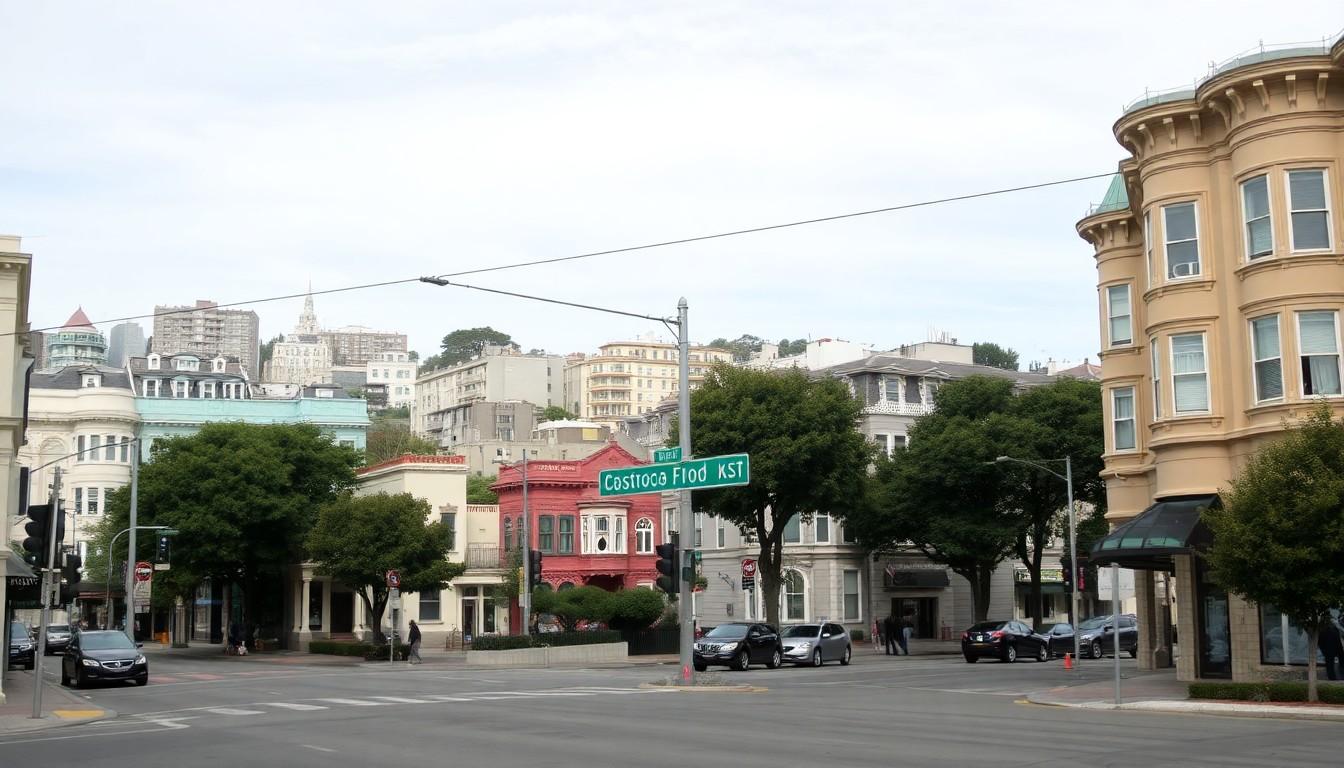
Discover a concise, richly illustrated guide to the Castro: who moved there, how the streets changed, and why this small book matters for anyone curious about San Francisco’s best-known LGBTQ+ neighbourhood. It’s a handy, visual primer for locals, visitors, and history buffs wanting context on gentrification, activism and nightlife.
Essential Takeaways
- Compact but vivid: The book is only about 53 pages yet packs photos, maps and clear economic context.
- Early roots: It traces the story back to the 1950s, spotlighting figures like Jose Sarria and Maurice “Mike” Gerry.
- Real-estate angle: Local agencies targeted gay clients in the 1960s, accelerating migration and businesses.
- Nightlife and culture: Bars, bathhouses, theatres and performance venues shaped community life and identity.
- Honest about conflict: The book covers AIDS, police clashes, gentrification and current debates, including the Castro Theatre.
A punchy book that starts before the bars , and it shows
This slim volume surprises because it doesn’t open with the obvious: the famous bars. Instead it drops you into the 1950s, a quieter, more intimate Castro where salons and community figures laid the groundwork. That choice gives the material a lived-in, tactile feel , you can almost smell the cigarette smoke in a 1950s apartment photo or hear a pianist in a small lounge.
The authors, a public historian and a sociology professor, stitch photos and short essays together so the economic drivers feel as important as the personalities. It’s a helpful reminder that neighbourhoods don’t just grow out of nightlife; they’re built by property listings, shopfronts and who the agents decide to court.
Why real-estate adverts changed everything
One of the clearest threads in the book is how real-estate firms deliberately targeted gay clients in the early 1960s, placing ads in local gay publications. That nudged migration patterns, concentrated queer life in Eureka Valley and made the Castro attractive to businesses looking for a steady customer base.
This context reframes the familiar story of bars and drag: those venues arrived because there was already a growing community and an economic ecosystem supporting them. If you’re looking at the Castro today, that long view helps explain why certain streets became hubs while others stayed residential.
Nightlife, performance and the rise of cultural institutions
From the Missouri Mule to the Mint and the Mistake, the book captures how bars quickly became cultural engines. The 1970s exploded that energy: more bars, more performances, more communal houses and a sense that Castro Street had become San Francisco’s Mardi Gras on a Saturday night.
Beyond drink-and-dance spots, galleries, bookstores and coffeehouses multiplied, creating a full civic life. Photos of performers like Sylvester in character give the book a human, celebratory centre , the kind of material that makes history feel immediate rather than archival.
The darker chapters: AIDS, police clashes and gentrification
The book doesn’t avoid the hard stuff. It documents the trauma of the AIDS years and highlights the crucial roles lesbian caregivers and activists played. It also confronts local tensions: police actions, incidents at venues that alienated BIPOC community members, and the slow pressures of gentrification.
That candour matters. As the Castro continues to debate the future of landmarks like the Castro Theatre and to host events such as the Dyke March and Transgender Day of Remembrance, readers get a sense that the neighbourhood’s identity is still being negotiated.
Who should read this , and what to do next
If you’ve lived in the city for decades, this is a neat refresher with photos you might not have seen. If you’re visiting, it’s a compact primer before a walking tour. And if you’re teaching or researching queer urban history, the book is a tidy jumping-off point pointing toward a fuller study the authors plan to produce.
Tip: read it with a map of the Castro to spot old shop locations, then take a stroll and compare the photos to today’s storefronts , your dog-eared copy will serve as a dialogue between past and present.
It's a small, well-paced guide that makes the Castro’s complicated, colourful story easy to grasp.
Source Reference Map
Story idea inspired by: [1]
Sources by paragraph: