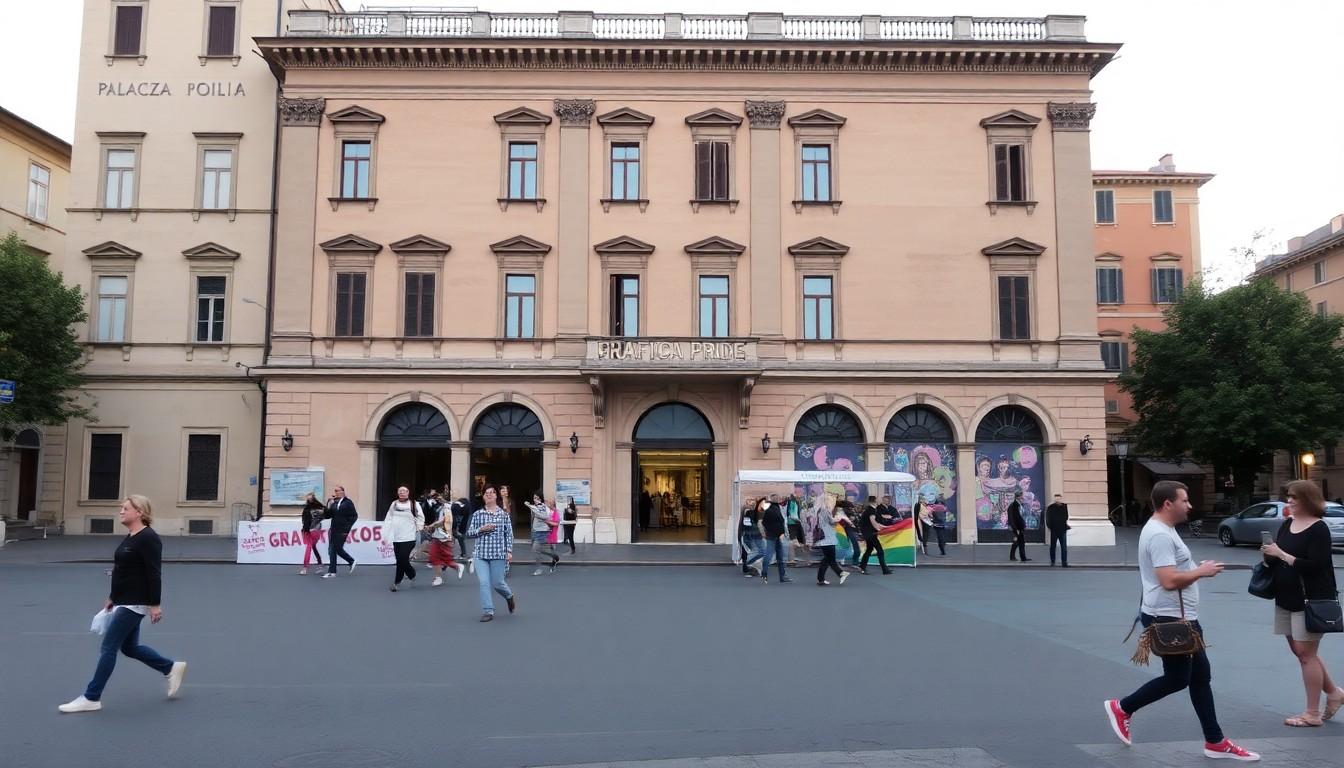
Shoppers and sightseers noticed a rainbow-lit Trevi on the eve of Roma Pride, and the resulting Grafica Pride evening at Palazzo Poli has set off a heated national debate about culture, public funds and what state museums should be for. Here's what happened, why it matters, and what to watch next.
Essential Takeaways
- What happened: A state cultural institute staged Grafica Pride at Palazzo Poli overlooking the Trevi Fountain, combining talks, performances and a DJ set aimed largely at under‑30s.
- Who’s unhappy: Conservative group Pro Vita & Famiglia and Culture Minister Alessandro Giuli criticised the event as an inappropriate use of a state museum and public money.
- Costs and context: The institute gets substantial ministry support while its own ticket revenue is minimal; events are funded from an allocated cultural budget.
- Why it matters: The row raises questions about the remit of state museums, freedom of cultural programming, and how public institutions engage with contemporary social themes.
- Practical note: Tickets were low‑cost (€5 under‑30s, €10 over‑30s); organisers framed the evening as part of a museum renewal and outreach drive.
A rainbow at one of Rome’s most photographed fountains , and a row ensues
The image of the Trevi Fountain bathed in rainbow colours did what such visuals always do: it got people talking and phones out. The Istituto Centrale per la Grafica’s Grafica Pride combined a book presentation, a queer-themed talk and a DJ set in the palace that overlooks the fountain, and the sensory cue , light on stone, music in a baroque courtyard , made the event feel intentionally contemporary. According to reporting, organisers pitched the night as outreach to younger visitors, a way to make the institute feel less like a vault and more like a public forum.
Critics called time on public money , what they asked
Conservative campaigners from Pro Vita & Famiglia criticised the move as an improper use of public funds and said taxpayers deserved answers. They pointed to the institute’s funding structure, noting sizeable ministry grants versus tiny ticket revenues, and asked how such events fit the museum’s statutory purposes. The criticism tapped into a broader debate about cultural stewardship: should state institutions stay strictly academic and preservationist, or use their spaces for social and political engagement?
The minister demanded answers , procedural surprise or political play?
Culture Minister Alessandro Giuli said he learned of the event through the media and described it as inconsistent with his expectations for the institute’s cultural work. He also signalled an inquiry into whether proper channels had been followed. That reaction has a procedural tone , officials want to know who signed off what , but it’s difficult to separate that from the political climate in Rome, where culture often becomes shorthand for ideological disagreements. Three board members also reportedly expressed concerns about how the institute is being run, underlining internal friction.
Museum renewal vs. traditional remit , why the institute defended the night
The Istituto Centrale per la Grafica framed Grafica Pride as part of a renewal under its current director after a successful exhibition that attracted thousands of visitors. The public institute described itself as wanting to be "not only a place of conservation and research, but also a space for reflection and discussion on the issues affecting our time." For museum professionals and many cultural commentators, that argument makes sense: museums increasingly programme events to broaden audiences and spark debate. For sceptics, it looks like mission drift.
What visitors and locals should know before judging
If you’re thinking about whether this sort of event belongs in state-run spaces, a few practical points matter. First, programming decisions in publicly funded museums often balance scholarly work with outreach; small-ticket events can be funded from a dedicated events budget rather than everyday conservation money. Second, transparency about procurement, speaker selection and budget lines calms controversy , something the ministry appears to be seeking. And lastly, public reception is part of the calculus: community engagement can revitalise a museum, but it also invites friction when themes are politically charged.
It's a small culture skirmish with wider implications for how museums choose to speak to society , and whether Rome’s stonework should stay strictly museum quiet or sometimes dance under a rainbow.
Source Reference Map
Story idea inspired by: [1]
Sources by paragraph: