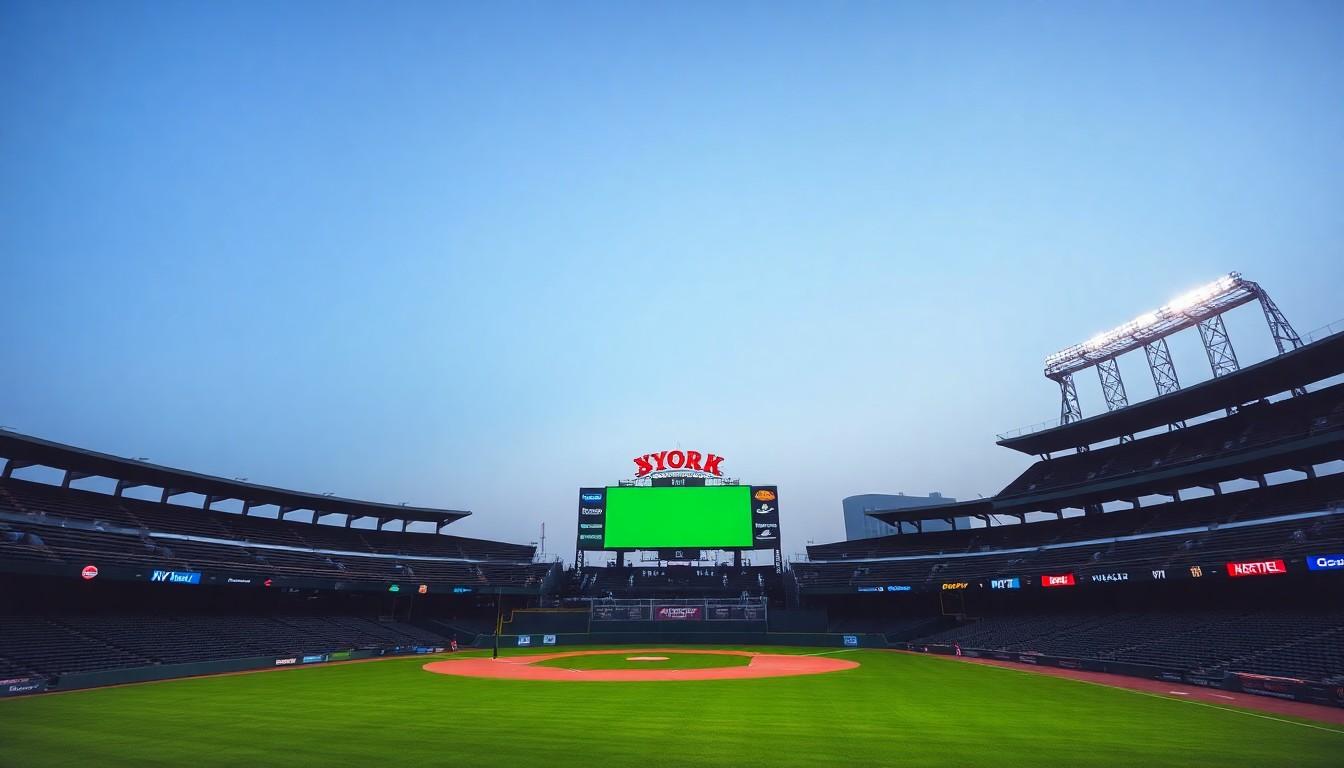
Shocked fans are talking after a minor‑league club scrapped its Pride Game when some players refused to wear a rainbow jersey; the episode joins a crowded week of Pride pushback, viral confrontations and corporate pullback that helps explain why visibility still matters.
Essential Takeaways
- Game cancelled: The York Revolution called off their scheduled Pride Night game after several players declined to wear a Pride jersey, so the club held a park event without a game.
- Player refusals: Reports say the decision followed internal resistance rather than a stadium policy, creating a public relations headache.
- Culture pushback: The cancellation arrives amid wider signals , declining corporate sponsorships for Pride and rising culture‑war incidents , that Pride visibility is under pressure.
- Everyday moments matter: Viral incidents this week, from a restroom confrontation to debate over Pride talk at barbecues, show how micro‑encounters shape public feeling.
- Practical takeaway: If you’re organising or supporting Pride activities, expect friction and plan inclusive, clear policies in advance.
How a Jersey Became a Breaking Point for a Minor‑League Team
The image is almost absurdly simple: a brightly coloured jersey, meant to signal welcome, becomes the flashpoint. According to Outsports, the York Revolution cancelled their Pride Night game after some players refused the rainbow jerseys. The club still hosted a Pride Night at the park, but there was no baseball to watch, which left fans and community members puzzling over the optics.
This isn’t just about clothing. It’s about what teams, institutions and staff signal on the field and in the community. When a team chooses to cancel rather than play in a standard uniform, it suggests internal tension reached a point where proceeding felt impossible or damaging. For organisers, the lesson is practical: set expectations early and have contingency plans so a single refusal doesn’t wipe out an entire event.
Pride fatigue and the snappy comebacks people are using
Across the internet this week, commentators put a finer point on things we’re tired of hearing during Pride Month , and offered witty, educational responses to boot. QueerBuzzer rounded up phrases that crop up at family gatherings and workplaces, pairing each with comebacks that mix kindness and firm boundaries.
Those one‑liners matter because they give people tools to defuse or educate without escalating a fight. If you’re heading to a barbecue or planning a workplace Pride talk, it helps to rehearse a short, honest reply. That way you stay calm and keep the conversation focused on people, not performative slogans.
Corporate cash is retreating , and that changes the landscape
There’s also a structural story behind these moments. The Washington Blade has looked at a drop in Pride sponsorships, and the pattern isn’t subtle: corporate support has become more cautious. When companies pull back or soften their messaging, community groups lose funding and reach, and symbolic gestures like team jerseys feel both more important and more contested.
This shift is part of a larger cultural tug‑of‑war: some businesses are shrinking from visible solidarity to avoid backlash, which means grassroots organisers must fill the gap. For volunteers and small nonprofits, that usually means more reliance on local donors and creative, low‑budget events.
Viral incidents keep the stakes painfully real
Online outrage and real‑world consequences have been marching in step this week. TMZ reported that a Mississippi man who confronted a father and his daughters in a women’s restroom lost his realtor job after the encounter went viral. Incidents like this are a reminder that neighbourly surveillance and policing can have serious career and social repercussions once the camera is out.
Those viral videos also push conversations into public view, sometimes prompting swift employer action and sometimes prompting debates about due process and context. For anyone trying to make sense of Pride resistance, it’s useful to remember how quickly a local incident can become a national talking point.
What organisers, teams and fans can do next
There are a few simple, practical steps that can reduce last‑minute chaos. First, set clear policies about event attire and messaging well before Pride events , and include players, staff and volunteers in the conversation so objections surface early. Second, businesses and teams that want to be seen as allies should back visible gestures with concrete support for local LGBTQ groups, which helps blunt critiques of performativity. Third, community organisers should diversify funding streams to withstand corporate pullback.
And for fans and allies, keep showing up. Visibility matters, even if the battles over jerseys or sponsorships seem symbolic. Small acts , buying a ticket, wearing a pin, sharing accurate information , add up.
It's a small change that can make every Pride event safer and more resilient.
Source Reference Map
Story idea inspired by: [1]
Sources by paragraph: