Shoppers and readers are discovering Shameless, a vivid new study of how young Black gay men in Los Angeles reject shame and remake themselves with pride , a timely read for anyone interested in race, sexuality, community, and what it takes to stop carrying other people’s stigma.
Essential Takeaways
- Deep reporting: Based on four years of ethnographic fieldwork with 200+ young Black queer men, the book offers rich, lived detail.
- Core idea: Many men in the study reject passing or covering and instead practice what the author calls “unspoiling” , embracing identity without shame.
- Scenes that stick: Ballroom culture, community centres and gay kinship families appear as key spaces for learning and support.
- Practical insight: The book maps strategies people use to navigate violence, prejudice and internalised stigma in everyday life.
- Tone and use: Scholarly but accessible , useful to allies, researchers and readers curious about contemporary Black queer life.
A striking new lens on identity and pride
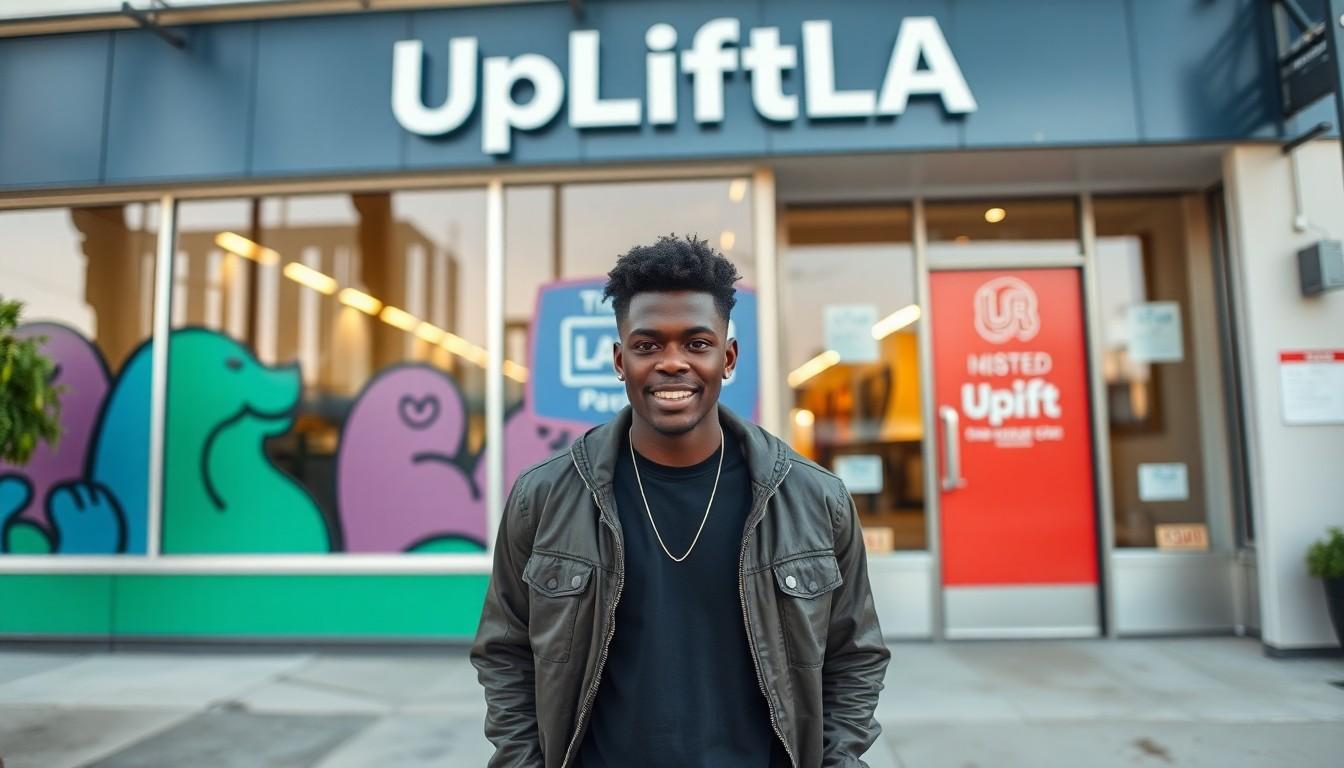
Terrell J. A. Winder’s Shameless lands with the kind of sensory immediacy you don’t always get from academic books; you can almost feel the buzz of a ball or the cramped warmth of a community centre meeting. According to publicity and interviews, the project grew from four years of embedded fieldwork in Los Angeles, with participant observation at UpLiftLA and other community organisations. That closeness gives the book its authority , Winder isn’t reporting from the outside, he’s learning alongside the men he writes about.
The stakes are personal and political. Where older stigma-management strategies , passing as heterosexual, tone-policing how you move through public space , might have protected some people, many of Winder’s subjects find those approaches costly. They choose instead to refuse the burden of other people’s shame, a moral and emotional pivot that reshapes how they relate to friends, lovers and strangers.
Balls, houses and the classroom , how community teaches refusal
Ballroom scenes and gay kinship families are more than spectacle in Shameless; they’re classrooms. Winder’s account of attending his first ball at UpLiftLA captures the labour and care behind the culture , makeup, choreography, judges and trophies , and shows how those spaces socialise identity with pride rather than with fear. The book makes clear that these communal rites teach young men how to hold themselves differently in public.
At the same time, the book situates those scenes in a wider set of supports: community organisations, mentorships and peer groups where conversations about masculinity, survival and desire happen daily. Those networks help people move from hiding to refusing to hide, and they offer practical aid when that refusal risks violence or exclusion.
What “unspoiling” means , a concept with reach
Winder coins a useful concept: unspoiling. It describes a process of learning to accept one’s sexuality and race as unproblematic, a counternarrative to messages from family, church or neighbourhoods that denigrate queer life. The book traces how men negotiate internalised homophobia and religious condemnation, and why for many the route to wellbeing isn’t accommodation but resistance.
This idea matters beyond the pages because it reframes what success looks like in anti-stigma work. Rather than asking individuals to blend in, unspoiling asks communities and allies to change the terms of belonging. That’s a helpful nudge for practitioners, educators and policymakers who want interventions that don’t ask people to disappear for the sake of safety.
Tense conversations, real danger , why refusal sometimes costs
Winder doesn’t romanticise refusal. Several scenes in the book show heated group debates where younger men weigh safety against authenticity , the pain of being jumped, the habit of “throwing on a nigga outfit” in certain neighbourhoods, the pressure to present in ways that avoid attention. Those moments make clear that refusing to cover can expose people to violence, harassment and family rejection.
But the book also shows how older peers, mentors and house parents intervene. They teach strategies for staying safe, cultivate pride as a resource, and press back against the idea that survival always requires self-erasure. For readers, the takeaway is pragmatic: refusal is morally powerful, but it requires social infrastructure and careful risk calculation.
Why it matters now , for allies, scholars and readers
Shameless is timely because debates about identity, visibility and safety keep shifting. According to interviews and publisher notes, the book is aimed both at scholars of stigma and at community members seeking models of thriving. It’s accessible enough for general readers while grounded in rigorous scholarship, making it a useful bridge between academic and everyday conversations about queer Black life.
If you’re an ally, a policymaker or simply curious, the book nudges you to ask different questions: How do our programmes demand assimilation rather than dignity? What kinds of community supports actually let people refuse stigma without paying the highest costs? Those are the practical questions this research surfaces.
It’s a small change that can make every act of visibility a little safer and a lot more proud.
Source Reference Map
Story idea inspired by: [1]
Sources by paragraph: