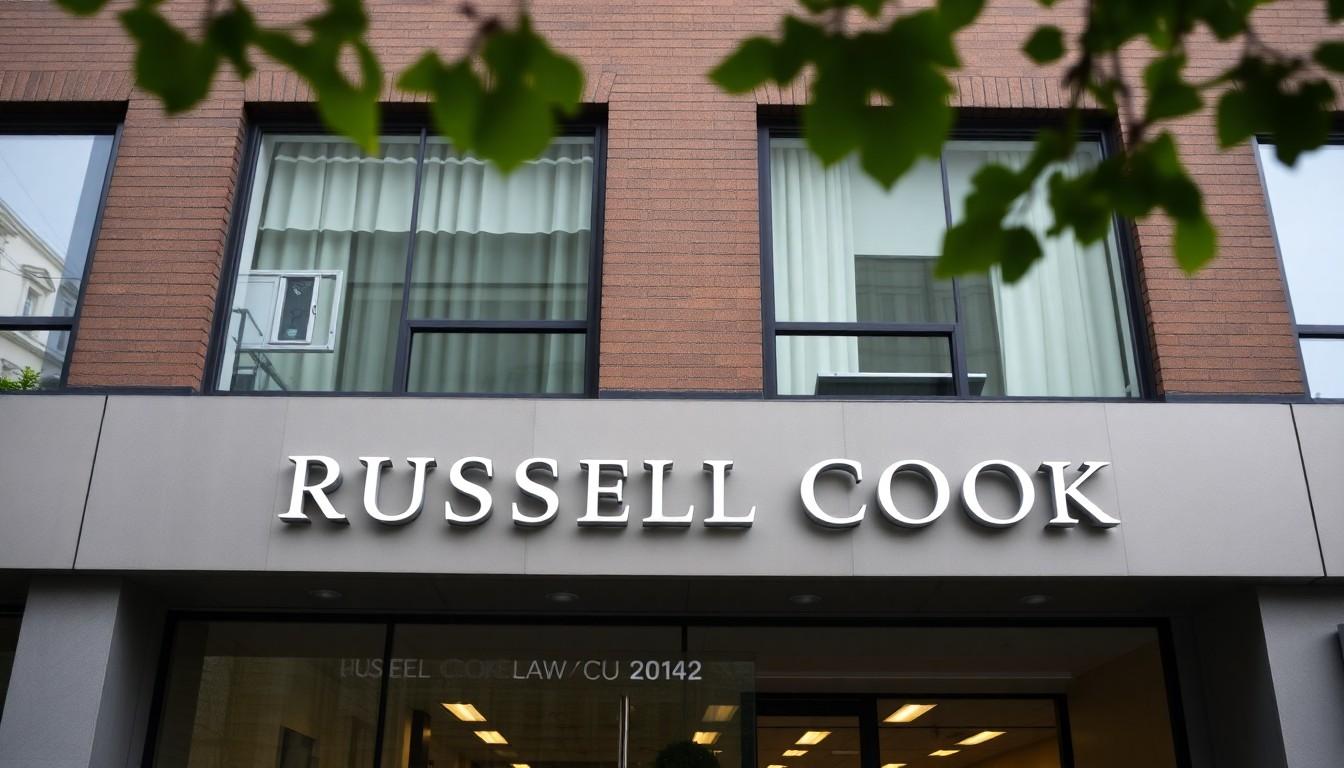
Celebrate Pride Month by looking beyond logos , Russell-Cooke’s openly gay managing partner James Carroll explains what inclusive leadership actually looks like, why the firm’s commitment to community and responsible business isn’t just performative, and what that means for staff and clients across London.
Essential Takeaways
- Visible leadership matters: James Carroll is openly gay and serves as Russell-Cooke’s managing partner, signalling inclusivity from the top.
- Practical commitments: The firm pairs pro bono legal aid with sustainability projects like rooftop beehives, showing a broad responsible-business agenda.
- Culture over tickboxes: Staff report a supportive, colleague-focused environment that goes beyond PR-friendly gestures.
- Growth with values: Russell-Cooke combines notable business growth with ongoing investments in diversity and community work.
- Everyday effect: Employees say inclusive policies deliver a quieter confidence , colleagues feel safe, supported, and more willing to bring their whole selves to work.
Why a visible managing partner still changes things
Leadership that’s open about identity has a subtle, human impact; you notice it in how meetings feel and in lunchtime conversations, where people relax a fraction earlier. According to Russell-Cooke’s announcements and profiles, James Carroll’s role as managing partner isn’t an abstract symbol , it’s a working example of leadership that normalises difference. That visibility matters to staff who want to see senior people they can relate to, and to clients who increasingly look for firms that reflect modern values.
Backstory is simple: law firms have historically been conservative about identity in leadership, and a managing partner who is openly gay helps shift expectations. For prospective hires and clients alike, it signals that the workplace climate is taken seriously at board level. If you’re choosing between firms, this is the kind of detail that quietly tells you whether inclusion is policy or practice.
Responsible business: legal aid to rooftop beehives
Russell-Cooke’s responsible-business work reads as refreshingly pragmatic: legal aid and pro bono services sit alongside community and environmental projects, like rooftop beehives. That combination suggests the firm thinks about social impact in human and practical terms, not just marketing copy. According to the firm’s own write-ups, projects range from direct legal help to local sustainability initiatives , an approach that both employees and clients can understand and engage with.
Why this matters: when a firm invests in both access to justice and people-first environmental projects, it signals joined-up values. If you care about working somewhere that matches your social conscience, these mixed efforts are the sort of everyday proof that a firm isn’t simply chasing headlines.
Growth without losing “us”: how culture survives expansion
Russell-Cooke has grown noticeably in recent years, yet partners and staff emphasise a sense of continuity: the firm still feels like a place where colleagues know each other. Growth often risks diluting culture, but the firm’s leadership says they’ve tried to preserve what staff describe as a collaborative atmosphere. That tension , getting bigger while staying human , is familiar across professional services, and Russell-Cooke’s way of addressing it reads as deliberate: balanced recruitment, visible leadership, and initiatives that keep people connected.
Practical tip: if culture is important to you, ask about retention, internal mobility and whether senior leaders are accessible. Firms that can point to specific community projects and named leaders who champion them usually have thought more deeply about how to scale values.
Inclusion beyond Pride: policies, practice and everyday support
Celebrating Pride Month is one thing; embedding inclusion into parental leave, transition support, mentoring and recruitment is another. Russell-Cooke’s materials and commentary from leadership suggest an emphasis on durable policies and everyday behaviours that make difference tangible. Staff feedback and firm announcements highlight mentoring, wellbeing and structured pro bono opportunities as part of a package that supports people long after Pride banners come down.
If you’re evaluating firms, look beyond seasonal campaigns. Ask for examples of policy changes, anonymised diversity data, or stories where leadership intervened to improve someone’s working experience. Those concrete instances tell you whether inclusion is institutional or episodic.
What it means for clients and the profession
For clients, a firm that combines visible inclusive leadership with a real mix of responsible-business activity sends a clear message: you’re working with people who think about impact beyond fees. For the legal profession, leaders like James Carroll show that senior roles and authentic identity aren’t mutually exclusive. According to firm announcements and profiles, this helps attract talent and clients who want thoughtful, modern advisers.
Looking ahead, expect more firms to make similar moves, but also expect scrutiny. The most compelling examples will be those that show consistent action over time rather than a single splashy campaign.
It's a small change that can make the working day feel a whole lot safer.
Source Reference Map
Story idea inspired by: [1]
Sources by paragraph: