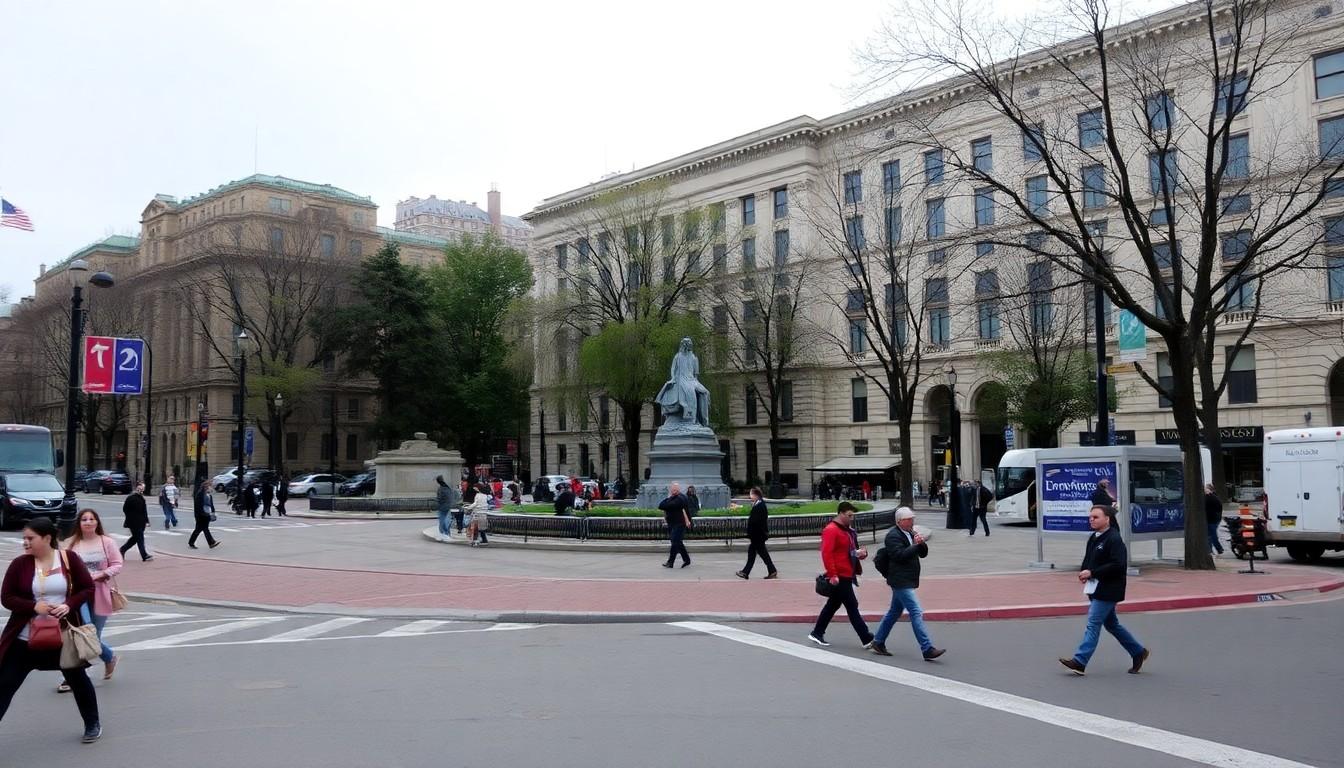
Shoppers, neighbours and Pride-goers are watching as National Park Service shutters Dupont Circle for the long weekend; the historic park will be closed from 6 a.m. Friday through Monday, a move officials say is about public safety and preservation, and one that locals say strikes at the heart of D.C.’s queer history.
Essential takeaways
- Closure window: Dupont Circle will be closed from 6 a.m. Friday until Monday, according to National Park Service notices.
- Official reasons: NPS cites public safety concerns and protection of the historic park as the basis for the temporary shutdown.
- Community reaction: Local leaders and longtime residents call the decision disheartening, arguing Pride has been historically peaceful and that the park is symbolic for D.C.’s LGBTQ+ community.
- Recent history: Similar closures and plans to restrict access have sparked pushback in past years, including last-minute reversals and controversy after incidents nearby.
- Practical effect: The Pride Parade route no longer runs through the circle, but the park remains a major gathering point and sentimental focal spot for attendees.
Why the National Park Service says it must close Dupont Circle
The Park Service has pointed to safety and the need to protect the park’s landscape as its main concerns, and you can feel the cautious tone when officials speak about the decision. With a historic grassy circle and mature plantings, managers often worry about trampling, vandalism and the logistics of sanitising a space after mass gatherings. According to NPS communications, those are the same issues behind past temporary closures, and this weekend’s window mirrors steps taken previously to try to prevent damage.
Residents and activists note the language sounds familiar, and for good reason: closures have been proposed before. That repetition has made many in the neighbourhood question whether the rule is about preservation, crowd control, or something else entirely. If you’re planning to attend events, expect barriers, added signage and a bit more police and Park Service presence than in a normal weekend.
How locals are reacting , history, pride and frustration
Longtime community members say Dupont Circle is more than a lawn; it’s part of D.C.’s queer memory, a place where people first gathered in the 1970s and where informal celebrations took root. Advisory neighbourhood figures have publicly expressed dismay, describing the move as an insult to a community that prides itself on being orderly and visible. Elected and civic voices have framed the closure as tone-deaf during Pride weekend, especially as national conversations over LGBTQ+ rights intensify.
At the same time, some local leaders acknowledge real safety worries , especially after violent incidents in and around public spaces last year. That split between historical attachment and present-day caution is the emotional core of the debate, and it explains why responses have ranged from anger to weary resignation.
What actually changed since last year , fences, reversals and sparks
This is not the first time plans to limit access to Dupont Circle have ignited controversy. Last year, intense community pressure prompted a reversal of a similar closure plan; fenced sections were dismantled and the park reopened just hours before parade-goers arrived. Those scenes are still fresh in people’s minds, and the memory of a subsequent stabbing in the park has only complicated opinions about whether closures are necessary.
Coverage from local outlets has tracked each development closely, and that reporting has helped keep pressure on the Park Service to be transparent. If you follow these stories, you’ll spot a pattern: proposed restrictions, public pushback, and then rapid changes when the crowd’s voice grows loud enough.
How this affects Pride plans , where to meet, what to expect
Practical tip: the official parade route no longer winds through Dupont Circle, but the park is still a major magnet for friends, vendors and informal celebrations. Expect organisers and community groups to publish alternative meetup spots, and look out for coordinated staging areas, side street gatherings and satellite parties. Bring comfortable shoes and a lightweight foldable chair if you want a sit-down spot, because nearby green spaces will likely fill up quickly.
If you’re coming from out of town, check event pages and local news updates before you head out. Authorities may post signs or reroute foot traffic, and some pop-up vendors or activities might shift a block or two away from the circle. For families or people who prefer quieter spaces, consider one of the nearby parks that tend to be less central but still friendly and accessible.
What this debate says about the future of public space in D.C.
This dispute over a single park sheds light on a larger question: who gets to use public space and under what conditions. Preservationists and safety officials will argue for limits to prevent damage; community activists rightly emphasise cultural memory and the right to gather. Both perspectives matter, and finding a workable middle ground will take clearer communication, contingency planning and perhaps new event infrastructure that protects the turf without erasing the traditions people care about.
Whatever happens this weekend, the argument will probably continue , and many hope it leads to better protocols rather than repeated emergency decisions. For now, attendees will improvise, organisers will adapt, and Dupont Circle’s symbolic role in D.C.’s Pride will remain firmly in view.
It's a small change that will make Pride logistics different this year , but it won't dim why people gather.
Source Reference Map
Story idea inspired by: [1]
Sources by paragraph: