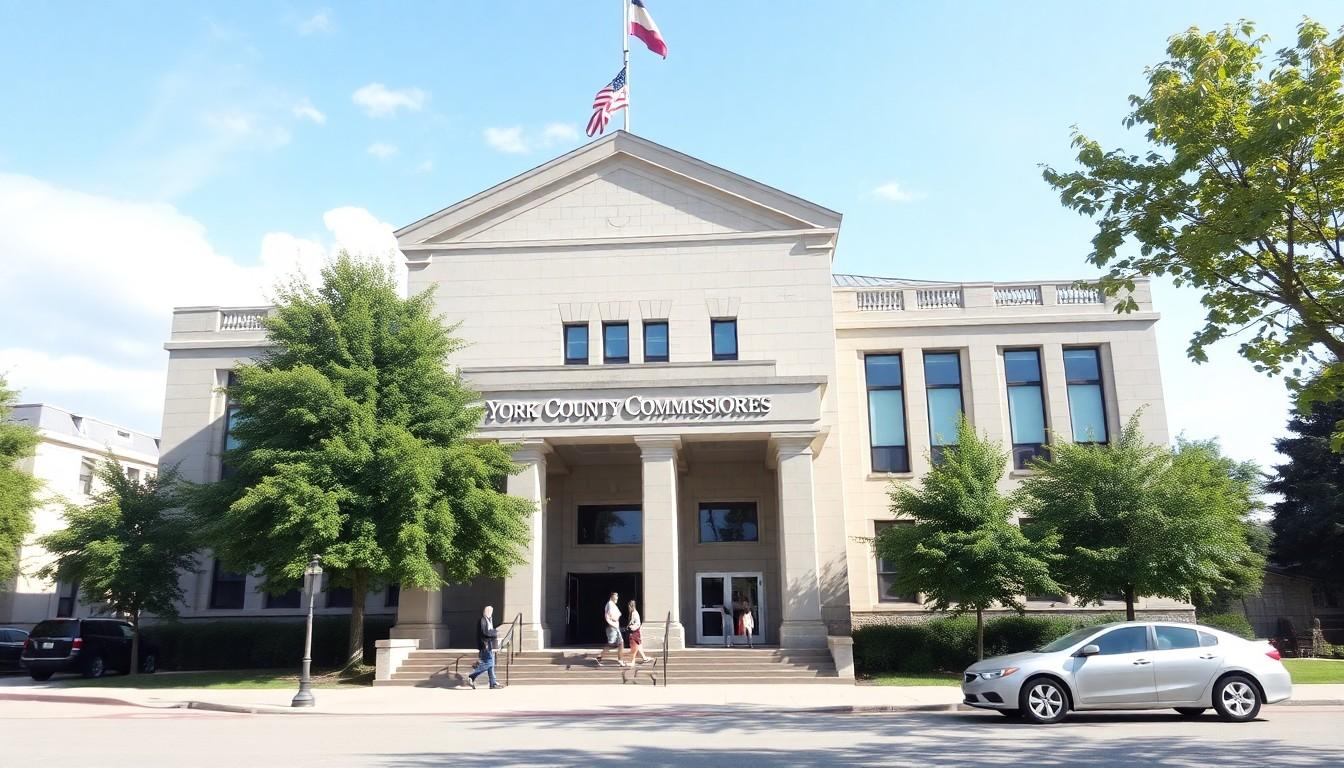
Shocked voters and county staff are talking after York County commissioners failed to pass a Pride Month proclamation this week; the 2-2 split marks the first time the board rejected the symbolic declaration since 2023 and raises fresh questions about local politics, inclusion and what proclamations actually do.
Essential Takeaways
- Vote result: The board deadlocked 2-2, with two commissioners for and two against, leaving the proclamation unpassed.
- Who voted which way: Justin Chenette and Richard Clark supported the declaration; Robert Andrews and Donna Ring opposed it.
- Emotional impact: Supporters say the proclamation feels meaningful for staff and residents; opponents called it unnecessary or inappropriate.
- Public comment was charged: Speakers urged both rejection and support, highlighting community divisions and personal convictions.
- Local context: The county issued similar statements in prior years; supporters hope a renewed effort will pass next year.
What happened at the meeting and why it matters
A routine county agenda item turned into one of the meeting’s most personal moments, with the board splitting down the middle on whether to acknowledge Pride Month. The vote itself is short , two for, two against , but the fallout has been louder, with supporters describing hurt and opponents citing principle. According to reporting, Justin Chenette, the first openly gay commissioner on the board, said the proclamation has helped staff and residents feel seen; dissenting voices argued no group should get a designated month.
A short history: this wasn’t new for York County
York County has adopted Pride declarations in recent years, and the proclamation passed in 2024, so this is a notable change of course. Proclamations are symbolic, but they move beyond words for some people; they become part of how a local government signals values to employees, partners and visitors. For comparison, other jurisdictions routinely mark Pride Month with proclamations or building illuminations, showing how gestures vary from place to place.
What supporters are saying , and why it’s personal
Supporters framed the declaration as practical and humane: retention of staff, community welcome, and recognition of hardship faced by LGBTQ+ people historically. One commissioner referenced the 1984 murder of Charlie Howard as a reason to vote in favour, pointing to how remembrance and acknowledgment can matter even decades on. After the meeting, Chenette described the result as painful, and he’s optimistic another attempt will succeed next year.
What opponents argued , and the public comments that mattered
Opponents said the county shouldn’t single out groups for special recognition, with one speaker at the meeting urging rejection on religious grounds and using the language of sin and repentance. Those remarks underline a broader pattern seen in local politics where symbolic actions become stand-ins for deeper cultural debates. Commissioners who opposed the proclamation haven’t offered extended public comment beyond their meeting remarks, but the split suggests differing philosophies about the role of county proclamations.
How to think about proclamations and local government gestures
A proclamation doesn’t change law, but it signals priorities and can affect morale, recruitment and public perception. If you’re deciding whether to support similar gestures where you live, consider the audience: county staff, schools, and the business community may read a proclamation differently than vocal local constituents. Practical tip: if you want change, attend meetings, submit brief comments and talk to commissioners , local gestures often shift when a steady stream of respectful voices shows up.
It's a small, symbolic vote that has turned into a bigger conversation about what civic recognition means in a divided moment.
Source Reference Map
Story idea inspired by: [1]
Sources by paragraph: