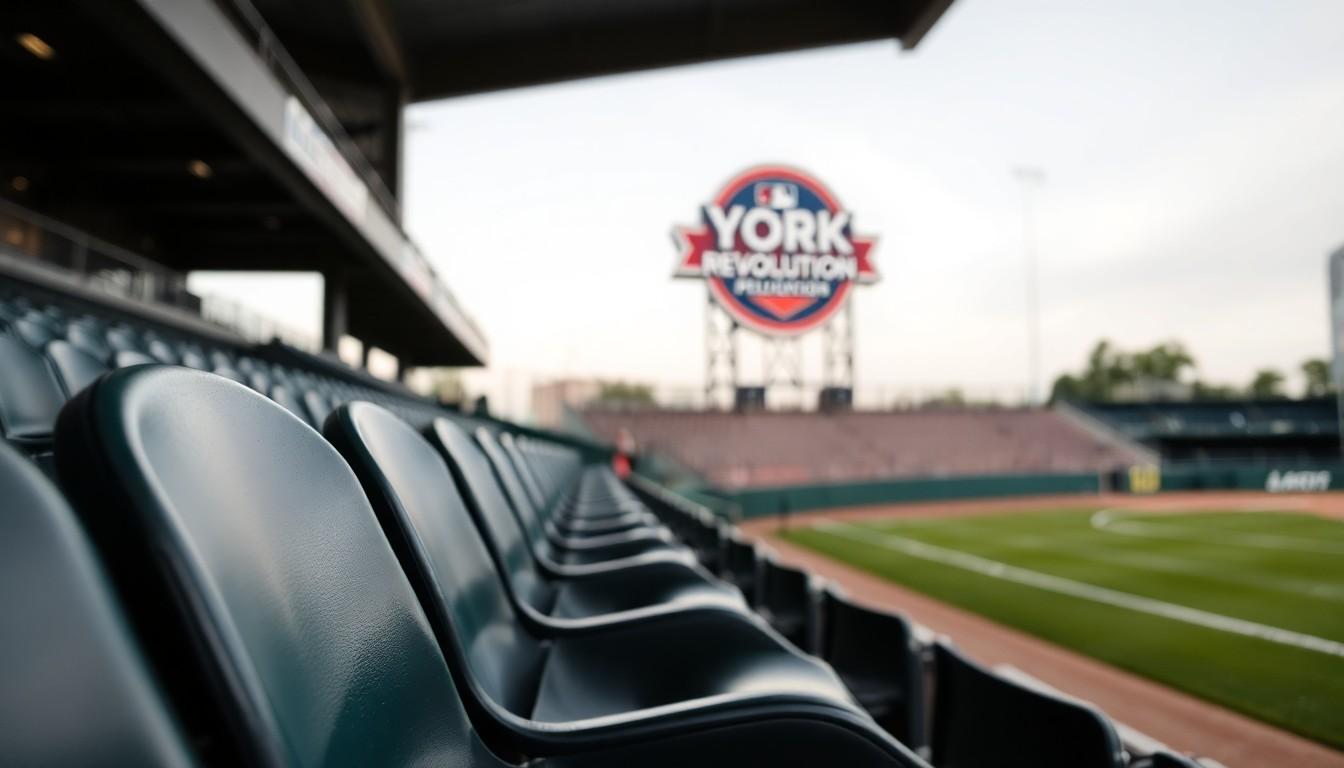
Shocked fans are watching a small Pennsylvania team make big waves: York Revolution cancelled its annual Pride Night game after several players refused to wear rainbow-sleeved jerseys, leaving organisers to prioritise the community event and donate to a local LGBTQIA+ centre. Here’s what happened, why it matters and how other teams are handling Pride conflicts.
Essential Takeaways
- Game cancelled: The York Revolution forfeited their scheduled Pride Night game because fewer than nine players on the 28-man roster would wear the Pride jersey.
- Event kept alive: Free Pride Night activities continued and the club pledged $10,000 to the Rainbow Rose Center as a gesture of support.
- Players’ stance: Team officials said several players were unwilling to cross a personal line; management framed the choice as prioritising the event over forcing participation.
- Context of a bigger debate: The incident follows a similar flashpoint with three San Francisco Giants pitchers who wrote Bible verses on Pride caps, prompting MLB warnings and political attention.
- Practical note for fans: Ticket holders were offered exchanges, treated as if the game had been rained out.
Why the Revolution called it off , and what that looked like
The most immediate fact is simple and visual: players declined to take the field in rainbow sleeves, and the club didn’t want to force the issue. The Revolution said fewer than nine players volunteered to wear the jerseys, leaving them short of a lineup. There’s a quiet, awkward image here , a ballpark ready for a celebration while the roster won’t suit up , and team bosses decided the community festivities mattered more than the game that night.
That decision didn’t come from nowhere. The club has active partnerships with local LGBTQ+-allied groups, and officials described the cancellation as an attempt to protect the spirit of Pride Night rather than punish dissenting players. They also pledged a six-figure-style public-value gesture for a smaller team: a $10,000 donation to the Rainbow Rose Center, which organises local inclusion events.
How this ties to the Giants and a national row over symbols
This isn’t an isolated moment. In San Francisco, three Giants pitchers altered Pride-themed caps by inscribing Bible verses, while another refused to wear a rainbow cap at all. MLB responded with routine warnings about uniform alterations, saying the notices weren’t disciplinary and didn’t target the message. But the optics opened a broader debate about whether themed nights in sports can collide with players’ religious convictions.
Politicians jumped in too. Senator Josh Hawley framed the Giants incident as part of bias against Christian players and sent a letter to MLB’s commissioner. The league pushed back, insisting its actions were content neutral, pointing to previous warnings for personal messages like family names. The York episode shows how quickly local choices can mirror national tensions when symbols , caps, sleeves, tape , become shorthand for culture wars.
What teams and leagues have done before , bans, reversals, and nuance
Leagues have tried to draw lines before, sometimes clumsily. The NHL briefly banned “specialty” gear including Pride tape before reversing the policy after objections from religious players and public backlash. The NFL and NBA have also faced criticism over differing approaches to Pride recognition from franchises and players. These mixed responses show there’s no tidy playbook: decisions often depend on local culture, the strength of community partnerships, and management willingness to choose between solidarity and roster harmony.
For smaller organisations, the stakes are different. Minor‑league and independent clubs rely heavily on community goodwill and local sponsorship. Cancelling a game while keeping the event can be a signal: we’ll protect community inclusion even if it costs us a contest. That’s a bold moral choice, and it changes how fans, sponsors and local groups see the club.
Practical advice for fans, teams and organisers
If you’re a fan, here’s what to expect: ticket exchanges or refunds will usually be offered, and community events tied to themed nights may still happen even if the game doesn’t. If you run a team or stadium, plan contingency messaging early , explain what happens if players opt out, and decide whether the theme is central enough to cancel or flexible enough to proceed without full player participation.
When drafting themed kit or messaging, teams should also check league uniform rules to avoid technical violations , alterations and unauthorised messages often provoke the neatest headaches. Finally, think partnership-first: charities and community groups appreciate gestures like donations and continued programming, which can soften the public fallout if a contest is called off.
What this means going forward , a small team, a larger conversation
The York Revolution’s choice is notable because it’s local but loud in principle. It shows how a single decision at an independent club can reflect broader tensions across professional sport, where symbol, faith and inclusion collide. The donation to the Rainbow Rose Center and the decision to continue fan events rather than force players to act against their beliefs is a pragmatic, if imperfect, compromise.
Expect more of these moments. As leagues and teams plan themed nights, they’ll need clearer policies, better dialogue with players and sharper community communications. Fans, meanwhile, will judge whether clubs are truly inclusive by the small details: whether events go ahead, how charities are supported, and whether locker-room dissent is handled with honesty rather than spin.
It's a small change that can make every themed night safer and more sincere.
Source Reference Map
Story idea inspired by: [1]
Sources by paragraph: