Watch how a small Pennsylvania club’s decision to forfeit a Pride Night game after several players refused rainbow‑sleeved jerseys became a national conversation, who was involved, and what it shows about sport, identity and team culture in 2026.
Essential Takeaways
- What happened: The York Revolution declined to play and forfeited their scheduled Pride Night after fewer than nine players on the 28‑man roster agreed to wear rainbow sleeves, leading to a cancelled game.
- League status: The Revolution play in the independent Atlantic League, not as an affiliated Minor League Baseball club, so MLB rules and contracts do not directly govern them.
- Reaction mix: Local and national outlets picked up the story quickly, and social posts show the debate split between praise for the players’ stand and criticism for refusing symbolic inclusion.
- Broader pattern: Similar disputes have cropped up before in other sports where players declined Pride gear or decorations, showing a recurring tension over compelled expression versus team events.
- Practical note: Teams planning theme nights should pre‑clear participation expectations with players and consider voluntary alternatives to avoid last‑minute forfeits.
What actually unfolded in York? Small town drama, loud headlines
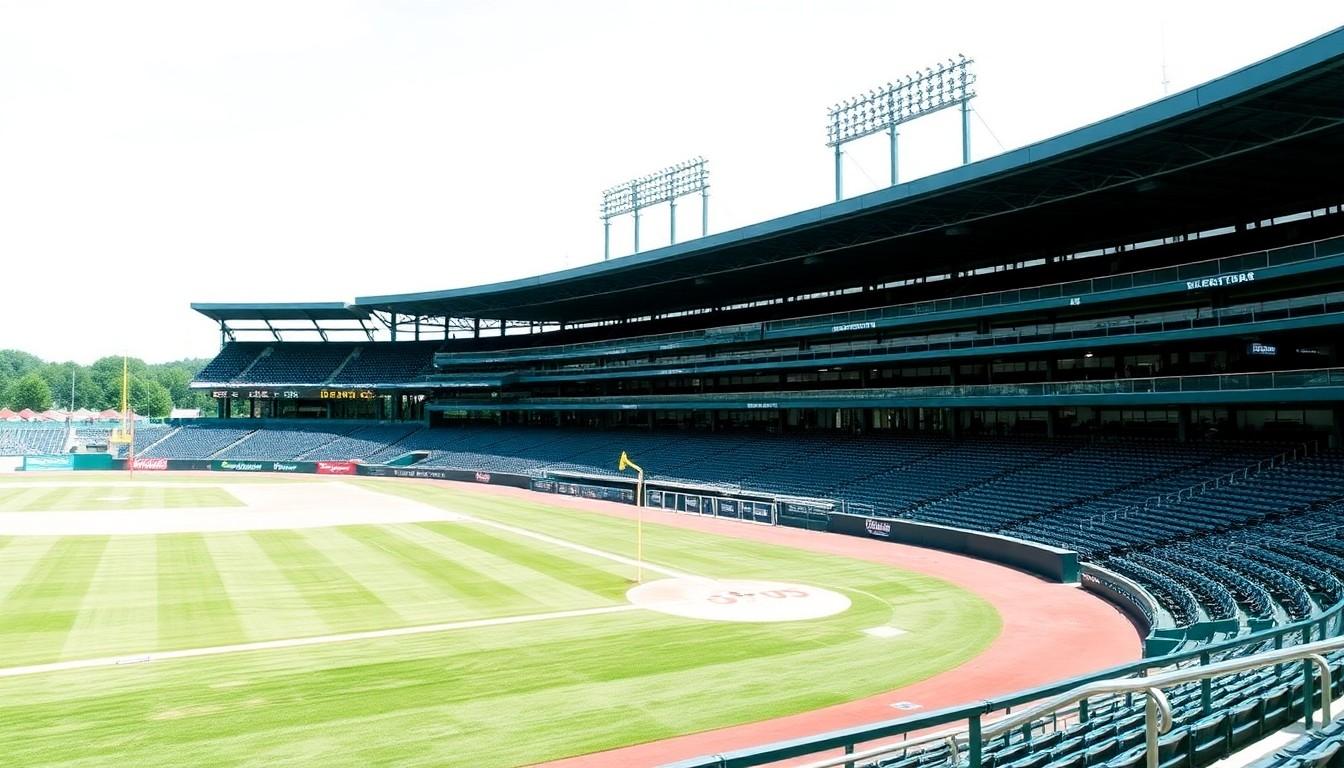
The immediate image here was surprisingly simple and sharp: a team meeting, a manager saying there weren’t enough players willing to don rainbow sleeves, and a forfeit. According to local reports, the Revolution’s front office chose to cancel rather than field a squad that couldn’t meet the nine‑player minimum. That visual , an empty dugout on Pride Night , is what made it newsworthy beyond Pennsylvania.
Backstory matters: the Atlantic League is independent, so the club’s choices aren’t dictated by Major League Baseball contracts. That distinction helped the story travel, because national outlets flagged that this wasn’t a minor‑league affiliate situation, even as they discussed the implications. For fans, it felt both local and symbolic: a microcosm of culture wars playing out in community sports.
If you’re organising theme nights, this is the practical bit: make participation rules crystal clear in advance and check whether items are mandatory or optional. Everyone involved will appreciate the heads‑up, and you’ll avoid a last‑minute scramble.
Why media picked it up: symbolism sells and timing matters
National outlets were quick to run with the tale because it taps into familiar narratives , free expression versus compelled participation, and the role of sport as public theatre. Reporters noted the forfeit and highlighted statements from the club president and manager, which framed the decision as a standoff rather than a routine scheduling hiccup.
This isn’t the first time sports teams have hit headlines for declining Pride gear; similar situations have shown up in hockey and baseball in recent years. Those precedents give editors an easy frame: is this an isolated local choice or part of a wider trend? Either way, images of a cancelled themed night carry emotive punch.
For readers, the takeaway is not just the what but the why: headlines endure when a local incident reflects a national conversation, and small clubs often find themselves at the centre of larger cultural debates.
Players’ choice versus team messaging: where’s the line?
There’s a straightforward ethical question here: can a team require symbolic displays of support, and should it? Club leaders often ask for uniform changes to mark awareness nights, but players and staff have argued they shouldn’t be forced to wear messaging that conflicts with personal beliefs.
Practically, teams navigate this by making themed garments optional or by offering neutral alternatives. That keeps the gesture visible without making it compulsory. From a human perspective, you can hear both sides: some see refusal as a principled stand, others as an unnecessary provocation against inclusion efforts.
Looking ahead, clubs that prioritise dialogue before game day will likely avoid public blow‑ups. A quick meeting, a clear opt‑out policy and an inclusive plan that respects conscience could have spared everyone a forfeit and a round of viral posts.
What this says about independent leagues and contractual limits
The Atlantic League’s independent status is crucial here. Unlike affiliated minor‑league teams, independent clubs aren’t bound by the same overarching MLB agreements. That gives them more discretion over programming, but it also leaves them exposed if internal consensus breaks down.
From a business angle, forfeits cost ticket revenue and fan trust, so there’s an incentive to manage theme nights tactfully. Front offices that treat players as stakeholders in planning have tended to avoid these flashpoints.
For fans choosing where to spend an evening, it’s a reminder that community teams are run by humans who bring varied beliefs to the dugout. That messy reality can be part of a club’s charm, but it can also cause friction when public gestures collide with private conviction.
How other sports handled similar moments , lessons to borrow
Other leagues have faced this before. Hockey clubs and some baseball organisations have had players decline rainbow sticks, sleeves or jerseys, prompting league‑level guidance or internal policies. The responses have varied: some leagues banned alterations, some encouraged voluntary participation, and some ran education programmes alongside themed nights.
The lesson is consistent: top‑down mandates tend to provoke pushback, while voluntary, well‑explained initiatives usually land better. If you care about inclusivity and you want players on board, invest in conversations, not ultimatums.
For organisers, try pairing awareness nights with optional clothing, pre‑event discussions, and clear communications to fans so nobody’s surprised come game time.
It's a small change that can make every themed night smoother and fairer.
Source Reference Map
Story idea inspired by: [1]
Sources by paragraph: