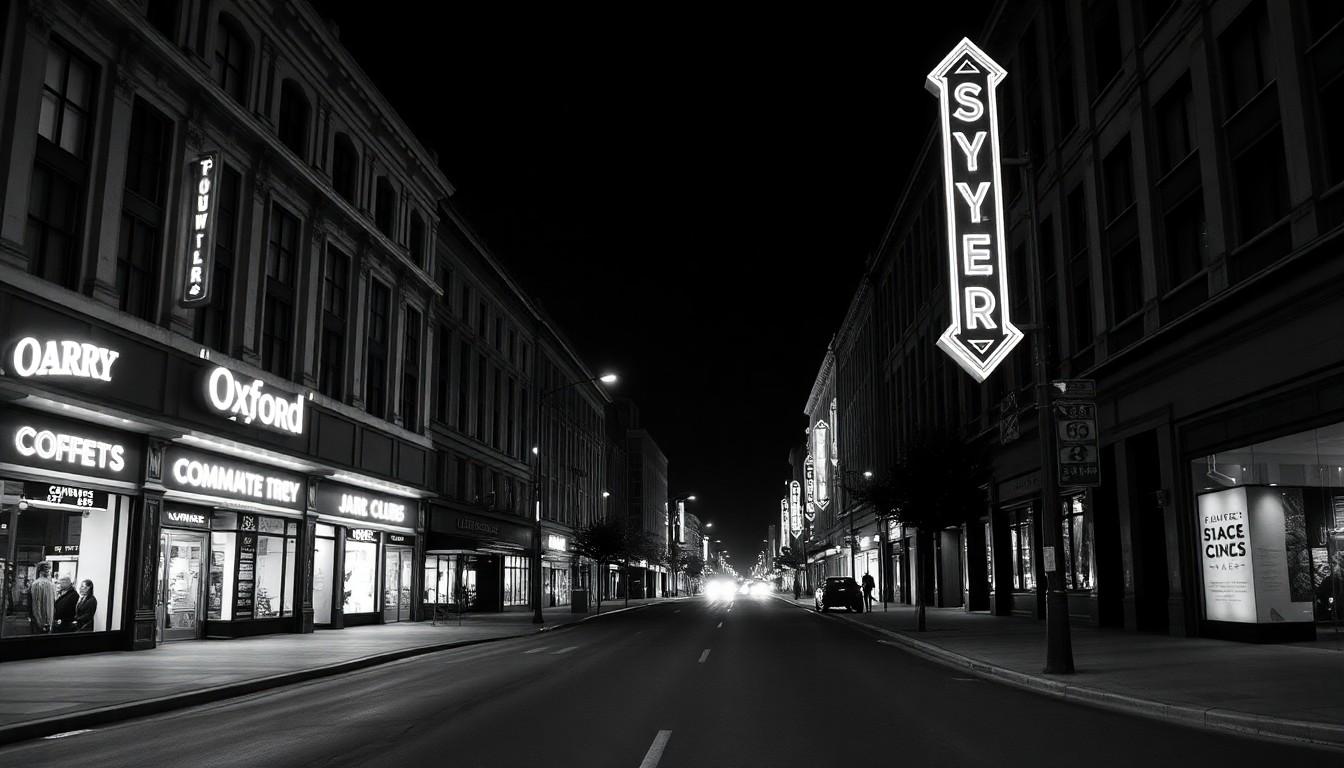
Shoppers and revellers on Sydney’s Oxford Street say heavy-handed police raids during Pride Month left people shaken and questioning whether law enforcement protected or provoked the crowd , a live issue for a precinct known for celebration, history and community safety.
Essential Takeaways
- Large operation: Police conducted a major proactive operation on Oxford Street with dozens of officers and sniffer dogs, carrying out 93 searches and 42 drug detections.
- Community distress: Patrons and staff reported being intimidated, publicly searched and berated, with some describing trauma and fear about privacy, employment or immigration consequences.
- Political pushback: Sydney MP Alex Greenwich and Lord Mayor Clover Moore jointly urged the Law Enforcement Conduct Commission to investigate the conduct and recommend reforms.
- Wider context: Tensions reflect a longer history of fraught police relations with LGBTQI communities, including prior inquiries and high-profile incidents.
- Practical note: Venues, visitors and organisers are left weighing safety, harm-minimisation strategies and the optics of heavy policing during Pride events.
What unfolded on Oxford Street and why people are upset
The night began like many Pride Fridays , bright lights, loud music and crowds that expect to feel safe. Instead, large groups of officers with sniffer dogs swept through venues and the street. People told councillors they were shoved, told to undress for searches in public and verbally abused, and some were left visibly distressed. According to local leaders, the scene felt less like policing and more like intimidation, and that’s the crux of the outrage.
This operation was framed by police as a proactive effort to disrupt drug supply and curb anti-social behaviour. But when searches are public and officers linger inside venues during a drag show, patrons and staff say the effect is chilling, undermining trust at precisely the moment Pride should feel inclusive and celebratory.
Political and community response: calls for investigation
Sydney MP Alex Greenwich and Lord Mayor Clover Moore wrote a joint letter requesting the Law Enforcement Conduct Commission look into the policing tactics used on the night. Their complaint isn’t just about one event; it’s about the message it sends to a community that has historically felt over-policed.
The letter stresses trauma and damaged trust, and it asks for reform recommendations , not merely an explanation. That’s significant: when elected figures publicly question policing strategy, it tends to force formal review and sometimes leads to changes in practice or training.
How this fits into a pattern of contested policing
This isn’t an isolated spat. Reporting over recent years has documented a pattern of friction between police and LGBTQI communities , from alleged failures to properly investigate hate crimes to high-profile incidents at Mardi Gras and other events. Reviews and inquiries have repeatedly suggested policing can be more intensive and aggressive at queer precincts and events.
Understanding that history helps explain why a single night of heavy enforcement can reopen old wounds. For many patrons, policing tactics are read through the lens of collective memory, which makes community reassurance all the more necessary after disruptive operations.
Practical advice for venues and patrons
Venues and event organisers should expect police presence at large nights, but there are practical steps to reduce harm. Train staff on legal rights and procedures, set out clear privacy protocols for any searches, and have support staff or community liaisons on hand to calm situations quickly. Patrons should know they can ask for reasons for a search, request to be searched in private where possible, and record interactions if it's safe to do so.
If you or someone you know was traumatised by the night, local counselling and crisis lines exist and handling the aftermath sensitively matters as much as preventing flashpoints in the first place.
What changes might come next and what to watch for
The watchdog’s response will be telling. An investigation that recommends accountability, clearer guidelines or better engagement with LGBTQI stakeholders could restore some trust. Conversely, a limited response may deepen suspicions and lead community groups to push for alternative safety models , for instance, more non-police safety stewards or better harm-minimisation partnerships with venues.
Either way, Oxford Street remains a symbol: it’s where celebration, history and public safety intersect, and how authorities handle that intersection will shape the precinct’s vibe in the months ahead.
It's a small change in tactics or transparency that could make every night feel safer and more welcoming again.
Source Reference Map
Story idea inspired by: [1]
Sources by paragraph: