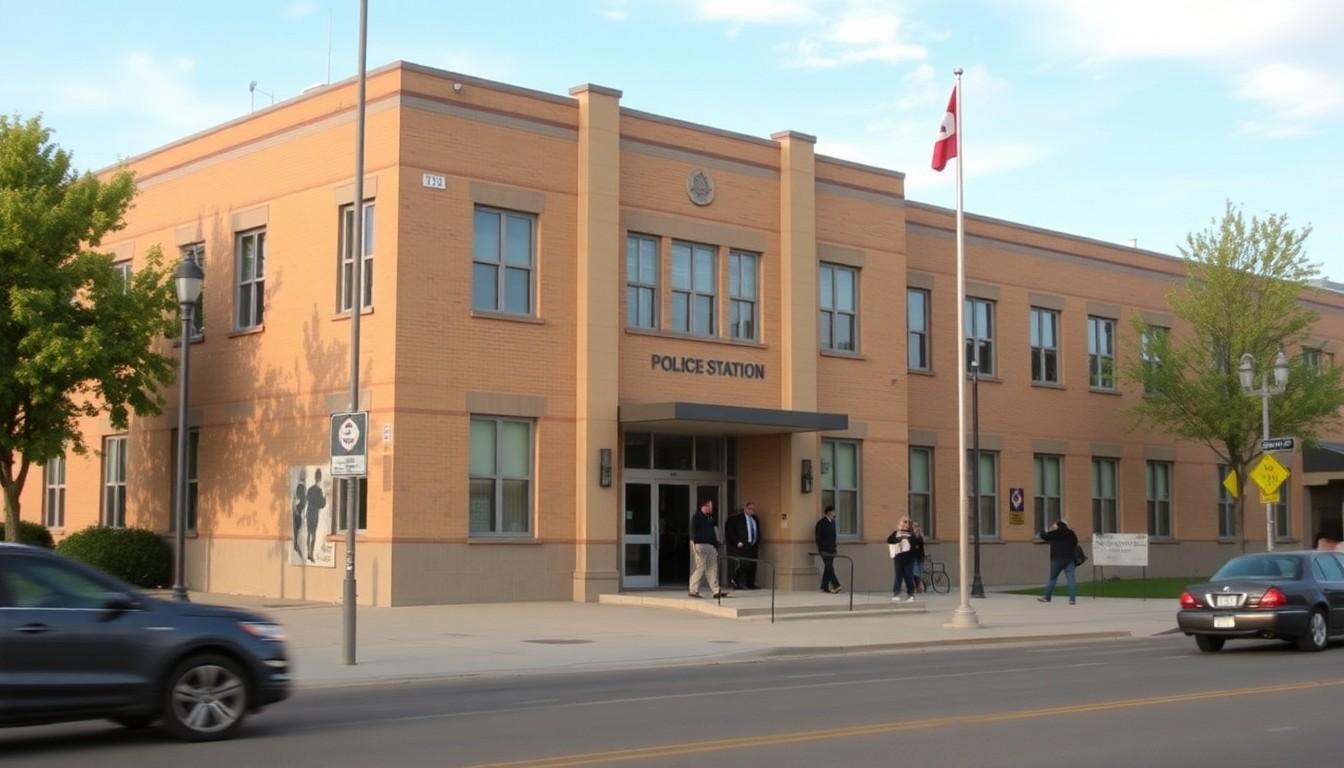
Shoppers and neighbours are noticing that Idaho’s hate crime law leaves LGBTQ+ people exposed , a recent attack on a gay couple in Caldwell shows why this matters, who’s affected, and what could change. The case has reignited calls for clearer protections and federal or state fixes to close the gap.
Essential Takeaways
- What happened: A gay couple in Caldwell were allegedly chased and beaten after being shouted at with anti-gay slurs; one needed six stitches.
- Legal gap: Idaho’s hate crime statute excludes sexual orientation and gender identity, so state hate-crime charges can’t be filed.
- Result: Local police arrested a suspect but say they’re limited to misdemeanour or other non-hate-crime charges.
- Broader pattern: Civil-rights groups and past incidents show this isn’t isolated , similar gaps have forced federal intervention before.
- Practical impact: Victims report feeling unsafe and denied full legal recognition of motive, which affects sentencing and community response.
Why this Caldwell attack is getting renewed attention
The most striking thing about the Caldwell incident is how small details make it feel immediate , the shout of slurs, the chase to the railway tracks, a lip needing six stitches. According to local reporting, police arrested a man after the assault but said Idaho law prevents hate-crime charges because sexual orientation and gender identity aren’t covered. That gap turns what many see as a hate-fuelled assault into a prosecution that can’t fully reflect motive, and that matters for victims and the community.
This isn’t the first time Idaho’s statutes have come under scrutiny. Journalists and civil-rights advocates have pointed to prior episodes where state hate-crime law’s narrow language blocked prosecutors, leaving federal authorities to pick up cases sometimes. For people on the receiving end, the difference is more than paperwork , it’s acknowledgement, deterrence, and potentially tougher penalties.
What Idaho law actually covers, and what it leaves out
Idaho’s current hate-crime language protects people targeted for race, colour, religion, ancestry or national origin. It doesn’t include sexual orientation or gender identity, so attacks where victims were singled out for being LGBTQ+ can be charged only under general assault or vandalism laws at the state level.
Civil-rights groups have repeatedly highlighted how that limited list creates practical problems for policing and prosecution. When motive can’t be formally recognised, prosecutors have fewer options to seek enhanced sentences or to send a message that bias-motivated crimes carry extra weight. That legal framing also shapes public conversation: an assault framed as a hate crime attracts different attention than one treated as an ordinary assault.
How advocacy groups and past cases shaped the conversation
Advocacy organisations in Idaho and beyond have been pushing for broader statutory protections for years. Past cases show the consequences: when state law is silent, federal authorities sometimes step in, but federal involvement isn’t automatic and can feel distant. The pattern has prompted local advocates to call for legislative change and for prosecutors to be given clear tools to treat bias-motivated crimes differently.
Those efforts exist against a backdrop of other recent legislative moves in the state that LGBTQ+ advocates say signal a harsher environment, increasing the urgency of hate-crime reform. For victims and allies, that combination of high-profile laws and narrow protections raises real concerns about safety and equal treatment under the law.
What victims, police and lawmakers are saying
Local police in Caldwell expressed frustration at being hamstrung by statute , they can arrest and charge a suspect, but they can’t pursue hate-crime enhancements under state law. Victims say the emotional impact is severe; feeling that a crime motivated by identity won’t be recognised can make an already traumatic experience worse.
Lawmakers who favour expanding hate-crime definitions argue it would allow the justice system to send a clearer message and offer more appropriate penalties. Opponents often raise different concerns about criminal statutes or definitions. Meanwhile, civil liberties groups continue to press for change through both litigation and advocacy to close the loophole.
What this means for LGBTQ+ people and what to watch next
For LGBTQ+ residents in Idaho, the legal gap matters practically and symbolically: it affects how incidents are recorded, prosecuted and publicly understood. If you or someone you know is targeted, documenting the incident, seeking medical care and reporting to police remain important steps; local advocacy groups and national organisations can also advise on legal options and support.
Keep an eye on any proposed state bills that would expand protected classes, and on whether federal prosecutors become involved in cases where state law falls short. Community safety isn’t just about enforcement , it’s about whether laws reflect who people are now and whether victims’ experiences are formally acknowledged.
It's a small change in words that can make a big difference in how every attack is treated and how safe people feel.
Source Reference Map
Story idea inspired by: [1]
Sources by paragraph: