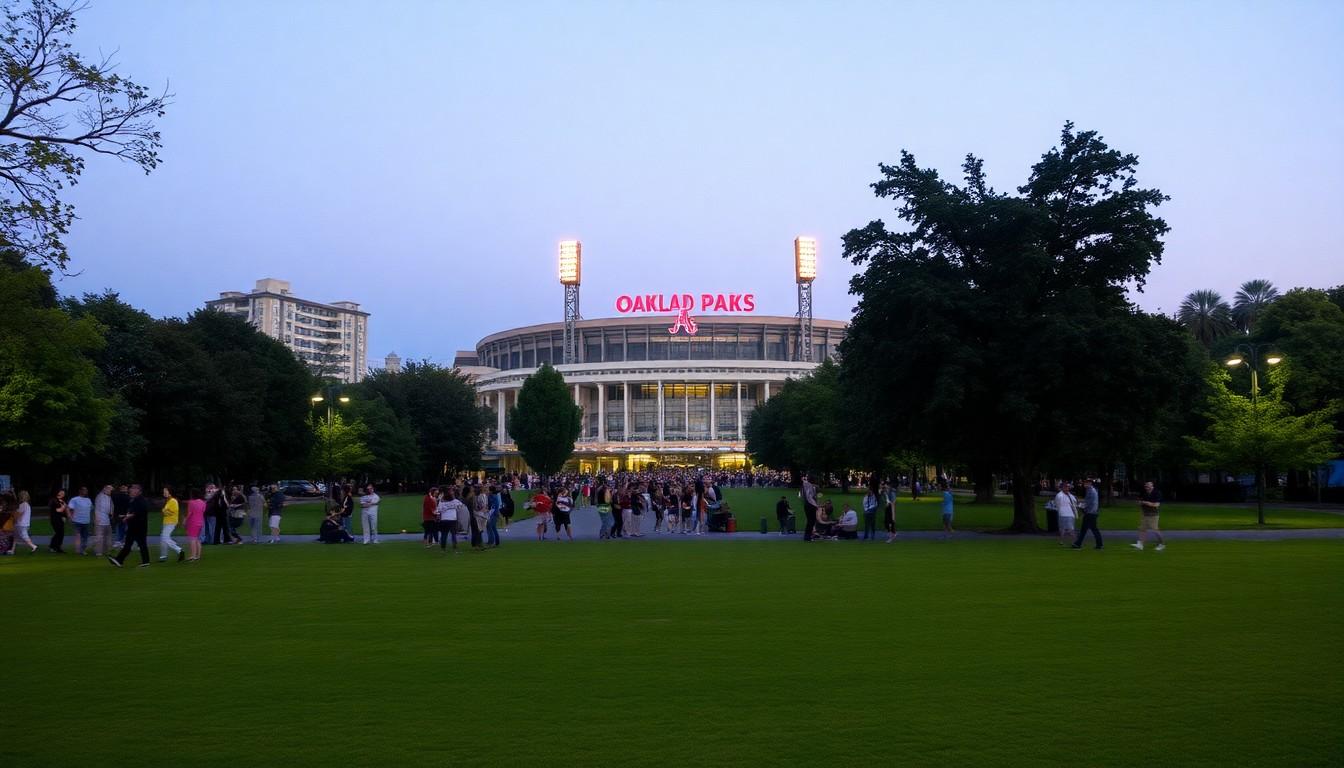
Shoppers are turning to festive community games: Oakland’s Ballers hosted a joyful, sold‑out Pride Night that raised money for the local LGBTQ+ centre, offering a vivid contrast to the controversy that erupted when four San Francisco Giants pitchers refused rainbow caps. Here’s why it mattered , and what other teams can learn.
Essential Takeaways
- Clear win for community: Oakland Ballers’ Pride Night raised funds for the Oakland LGBTQ Community Center and felt openly celebratory, with drag performances, a chorus, and a sold‑out rainbow cap.
- Contrast in tone: The Giants’ Pride event sparked national backlash after several pitchers refused to wear rainbow caps or wrote Bible verses on them, prompting criticism of the team’s tepid response.
- Family‑friendly vibe: Ballers’ activities , Drag Queen Story Time, Drag “races,” and mascot gestures , created an inclusive, joyful atmosphere that resonated with kids and parents.
- Local history matters: Oakland’s embrace is rooted in civic memory, including recognition of Glenn Burke, an early MLB figure who is important to Bay Area LGBTQ history.
- Practical takeaway: If you’re choosing a Pride event to attend, look for clear community partnerships, kid‑friendly programming, and transparent fundraising goals.
Why one West Oakland night felt like a festival, not a photo op
The Ballers’ Pride Night was sunny, colourful and, by most accounts, joyful , a night where the music and laughter were as front‑of‑mind as the scoreboard. The Oakland Gay Men’s Chorus opened the game and a drag performer literally popped out of a giant baseball to shout “Play Ball!” Those sensory details made the evening feel intentionally festive rather than tokenistic. Community organisers say it reflected long work building trust and partnerships, not a single night of marketing.
By contrast, the Giants’ evening quickly shifted from celebration to controversy when several players declined to wear the rainbow caps or left messages on them. That discord turned the night into a national flashpoint and left many fans and families feeling hurt. For event planners that’s a clear lesson: authenticity and clarity matter as much as creative programming.
Fundraising and partnership: what made Oakland’s approach work
The Ballers partnered with the Oakland LGBTQ Community Center, and proceeds were earmarked for tangible local needs, including the city’s Pride parade and festival. That kind of direct, transparent support signals to attendees that their ticket buys more than atmosphere; they’re backing services and events for local people. Community leaders on the ground said organizers cooperated closely with advocacy groups, which helps avoid the “performative” trap critics often call out.
If you’re weighing which Pride‑themed game to attend, look for advertised beneficiaries, named partners, and follow‑up reporting on funds raised. Those are small, practical checks that tell you whether an event is community‑centred or just window dressing.
Why families and kids noticed the difference
Parents who attended the Ballers’ night highlighted how kid‑friendly elements , Drag Queen Story Time, mascot gestures with a Progress Pride Flag, and welcoming activities between innings , made it a safe, fun night out. After the Giants’ controversy, some families reported feeling unwelcome at a venue that should feel neutral and safe. That emotional impact matters: sports events are public rituals where children learn cultural cues, and a single high‑profile incident can change how families feel about returning.
Organisers who want families to stay engaged should make inclusion visible and literal: accessible programming, clear statements of support, and staff or volunteers trained to welcome diverse audiences.
The role of local history and identity in how cities host Pride
Oakland’s Pride Night didn’t happen in a vacuum. The city has a history of celebrating leaders like Glenn Burke, and grassroots groups have long pushed for inclusion in local sports. That civic memory gives events depth and credibility, so they’re judged by community standards rather than by corporate calendars. In short, a local team that’s steeped in community relationships is less likely to be perceived as opportunistic.
Teams elsewhere could borrow that playbook: invest in sustained relationships with local organisations, celebrate local LGBTQ figures, and make inclusion part of year‑round operations rather than a single promotional night.
What teams and fans can do next
For teams: be explicit about who benefits, consult local groups early, and prepare clear policies so players and staff understand expectations. For fans: vote with your attendance and dollars; if an event lists a community partner and a beneficiary, follow up to see whether the funds and attention actually help that organisation.
And for families who worry about how safe a stadium feels, local supporters suggest starting with community‑run or independent teams. They often craft smaller, more intentional events where the welcome feels real.
It’s a small change that can make every Pride night feel safer and more joyful.
Source Reference Map
Story idea inspired by: [1]
Sources by paragraph: