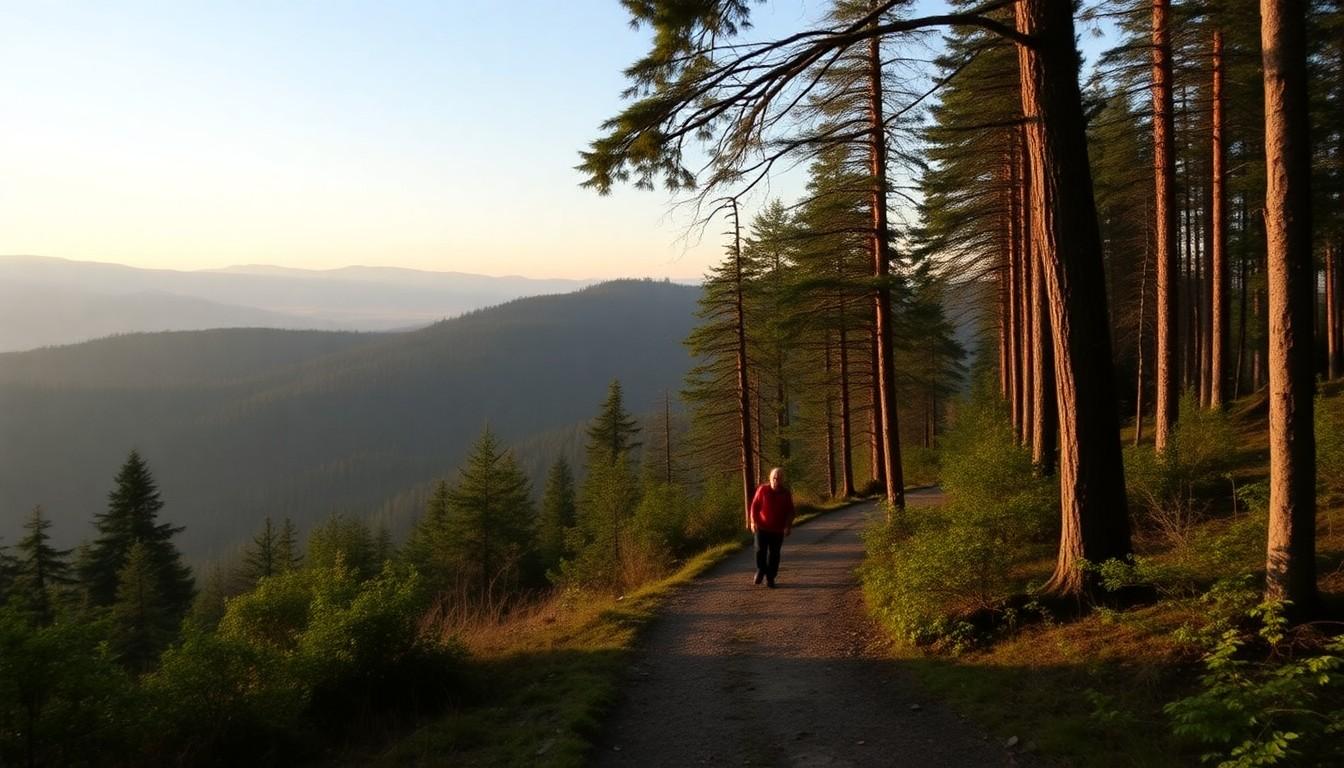
Shoppers are turning to the forest for calm: community groups in Eugene are making the outdoors safer and more welcoming for transgender people, offering resources, events and practical support so nature’s mental-health benefits can be enjoyed without fear.
Essential Takeaways
- Science-backed calm: Forest medicine research shows time in nature reduces stress and regulates the nervous system, making outdoor access a clear mental-health tool.
- Practical safety matters: Group outings and vetted leaders lower risks of harassment, offering a calmer, sturdier feel to first trips into wild spaces.
- Organised inclusion works: Partnerships like Trans Wild and local nonprofit outreach create queer-specific entry points to conservation and recreation.
- Queer ecology affirms identity: Seeing gender diversity in nature helps some trans people feel seen and grounded.
- Get involved locally: Eugene Pride and free events provide low-cost, community-based ways to connect with nature and volunteers.
Why time in the trees really helps the nerves
Forest medicine research finds that spending time among trees reduces cortisol and calms the autonomic nervous system, which many people describe as a tangible easing in the shoulders and jaw. That physiological change isn’t just a nice-to-have: for people facing chronic stress or minority distress, it’s a measurable benefit. According to studies in the field, even short, deliberate time outdoors can lower anxiety and improve mood. So if you’re carrying the particular weight of transphobic stress, a local woodland walk isn’t just scenic , it’s therapeutic.
Barriers still block many queer people from enjoying green spaces
That said, the outdoors isn’t automatically welcoming. Internal barriers like anxiety about being misgendered mix with external threats such as harassment on rural trails, and those concerns are well documented in studies about minority experiences in outdoor recreation. Showing up to a general workshop can feel risky if organisers aren’t explicitly queer-aware. Practical issues , solo travel into conservative regions, lack of gender-inclusive facilities , compound the problem. So the first step is recognising that access is twofold: not only the physical path to a trailhead but the social safety net around it.
How groups make a difference: safer, social and skilful outings
Organised, community-led outings change the equation. When conservation groups partner with trans-led organisations they can tailor trips with clear inclusivity practices, trained leaders and buddy systems that reduce isolation. Volunteers doing collective field-checks or citizen science add a layer of safety and purpose; people report feeling steadier when they’re working alongside others. If you’re choosing a group, look for visible trans or queer leadership, stated anti-harassment policies, and options to join shorter day trips before committing to overnight stays.
Queer ecology: seeing yourself reflected in the living world
For many trans people, connecting with nature also brings reassurance through queer ecology , the idea that diversity in sex and gender exists across plants and animals. Learning that some species change sex with the seasons, or display behaviours outside heteronormative expectations, can be quietly affirming. That reframes a walk among wildflowers as a small, living reminder that gender is not a single, fixed story. It’s an emotional, even playful perspective: nature’s variety can feel like company rather than contrast.
Practical tips to make your next outdoor trip feel safer and more nourishing
Start small: short, daytime walks with an established group are the easiest way to test a space. Check that events list pronoun practices, accessibility notes and emergency plans, and ask organisers about transportation or buddy options if you’re nervous about travelling alone. Bring sensory comforts , a soft scarf, a familiar snack, earphones with a calming playlist , to help regulate your system on the trail. Finally, use community events like Eugene Pride and Trans Wild’s outings to find allies and local resources; they’re often sliding-scale or free and a gentle way to build confidence.
It's a small change that can make every visit to the wild feel safer and more sustaining.
Source Reference Map
Story idea inspired by: [1]
Sources by paragraph: