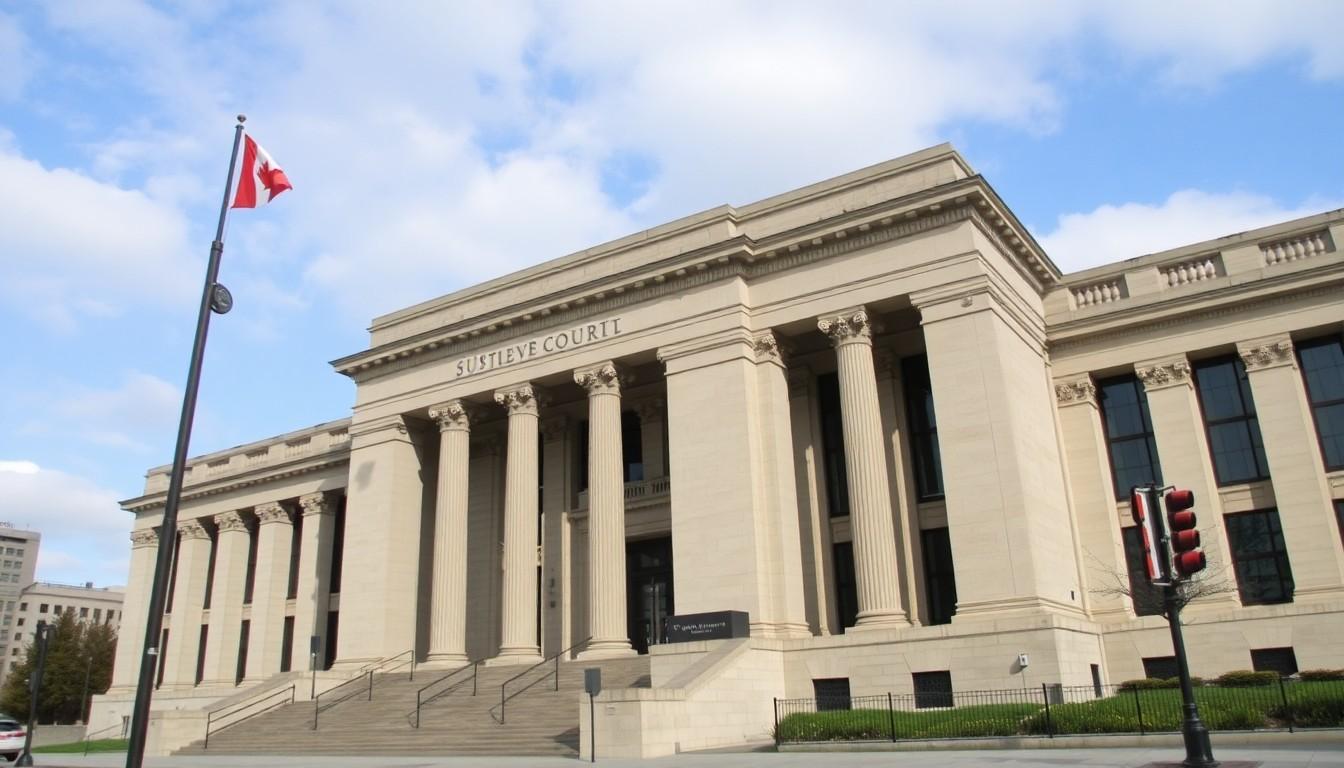
Watch how long-held protections are being tested as provinces use the notwithstanding clause more readily; this matters for queer and trans youth, parental rights debates, and the future of Charter oversight. Here’s what’s happening, why it matters, and what to look for next.
- What changed: Provincial governments have begun using the notwithstanding clause more often, signalling courts can be bypassed when legislation faces Charter challenges.
- Local impact: Policies requiring parental consent for pronoun or name changes in schools smell of controversy and have immediate effects on trans and non-binary kids’ safety and dignity.
- Medical and mental-health stakes: Leading medical bodies warn restrictions on gender-affirming care risk harm; research links family rejection to worse mental health outcomes.
- Legal fight: Saskatchewan v. UR Pride Centre is headed to the Supreme Court and could clarify whether courts can review pre-emptive use of section 33.
- Political reality: Once rare and taboo, use of the clause now looks survivable politically , which means rights can erode gradually rather than be struck down outright.
How we got here: the notwithstanding clause moves from rare to routine
Section 33 of the Charter was intended as a narrow safety valve when legislatures felt judicial oversight unduly restricted parliamentary sovereignty, and for decades it was treated as politically radioactive. But politicians watching Ontario in 2018 saw that invoking the clause didn’t end careers , it simply let a contested policy stand. That lesson has had ripple effects, and now some premiers treat courts less as partners and more as obstacles to be bypassed. The result is a new normal where the clause is a tool rather than an emergency brake.
Why queer and trans youth have become the flashpoint
Courts historically advanced 2SLGBTQIA+ equality in Canada, so shifting the battleground from judges to legislatures changes the dynamic. Policies introduced across provinces , parental consent rules for pronoun changes, limits on gender-affirming care for minors, and sports participation restrictions , don’t just alter access to services. They change daily life in schools and clinics, creating a practical chill. When laws are allowed to operate under section 33, young people can be left without a timely legal remedy, which matters when policy decisions affect their safety and mental health.
The medical and social evidence that matters
Major medical organisations caution against blanket restrictions on gender-affirming care, saying they conflict with clinical standards and risk harm. Research consistently ties family rejection and forced social invisibility to worse mental-health outcomes for trans and non-binary youth. So this isn’t an abstract debate: it affects wellbeing, access to accepted care, and whether young people feel safe being themselves at school. Policymakers who frame these measures as “protecting children” are stepping into contested medical and ethical territory, and the consequences can be tangible and immediate.
Court fights to watch: Saskatchewan v. UR Pride Centre and beyond
The Saskatchewan legislation that required parental consent for pronoun changes was pushed through with the notwithstanding clause after a court signalled a serious Charter issue. That case, among others, is now making its way through higher courts. Saskatchewan v. UR Pride Centre is headed to the Supreme Court of Canada and could determine whether courts retain the power to review laws that governments have immunised with section 33. Intervenors such as the Women’s Legal Education and Action Fund and the Canadian Bar Association will press that pre-emptive use shouldn’t foreclose judicial scrutiny , meaning a ruling here could either rein in or legitimise the newer practice.
What this shift means for rights generally , and for everyday voters
When governments treat constitutional protections as optional, rights become contingent on which party holds power rather than on settled legal standards. That has ripple effects beyond any single community: once the political cost of invoking the clause drops, other rights could be targeted in turn. As one advocate put it, today it’s trans people; tomorrow it might be someone else. For voters, the takeaway is simple: laws that use the notwithstanding clause change how you and your neighbours experience the Charter. That’s a democratic question as much as a legal one.
Practical tips for people affected and for concerned citizens
If you’re a parent, educator, clinician, or an LGBTQ+ young person, document interactions and know your local supports; reputable medical organisations and advocacy groups can help navigate care and school policies. For anyone worried about the broader trend, keep an eye on court filings and local government announcements, contact your MLA or provincial representative, and consider supporting civil-society groups pushing for judicial review. Small civic actions , attending a town-hall, writing a letter, or donating to legal challenges , can tilt the public debate.
It's a small change in procedure with big consequences for who gets protection under the law.
Source Reference Map
Story idea inspired by: [1]
Sources by paragraph: