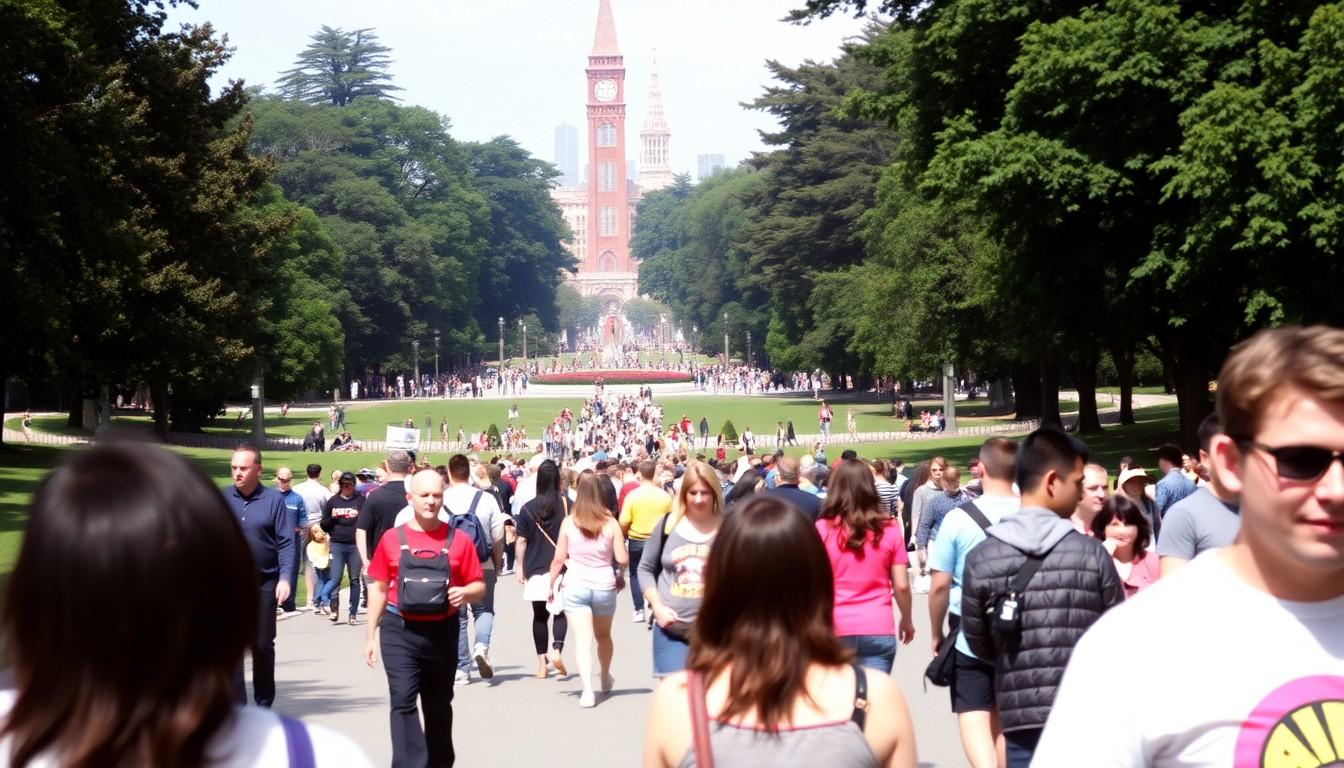
Remembering, marching, and fundraising: San Franciscans are returning to Golden Gate Park on July 19 to mark 40 years of AIDS Walk San Francisco, a grassroots response that turned grief into community care and raised millions for HIV services across the Bay Area.
Essential takeaways
- Established 1987: The first AIDS Walk in Golden Gate Park drew roughly 3,400 people and launched an annual tradition of visible community response.
- Big impact: Over four decades the event has raised more than $100 million for local HIV/AIDS organisations and services.
- Local institutions involved: Hospitals, community groups and universities like UCSF have deep ties to the walk and its fundraising.
- Accessible participation: You can walk, donate, volunteer or join a team; the event still centres community storytelling and remembrance.
- Anniversary date and place: For its 40th year the walk returns to its original date and Golden Gate Park setting on July 19.
How a funeral march became a movement
The opening photo of people holding portraits of those lost to HIV is simple and gutting, and it explains why the walk matters. In the Reagan era, when federal attention lagged and stigma ruled headlines, community members in San Francisco organised themselves into action. According to historical accounts, the first official walk in 1987 was both a fundraiser and a public insistence that lives lost be noticed and supported. That mix of mourning and organising gave the event emotional weight and practical purpose from day one.
From grassroots to $100 million-plus in support
What started as a local show of defiance grew into sustained philanthropic power. Records for the organisation and reporting on the walk show cumulative fundraising eclipsed the seven-figure mark many times over, with the whole campaign now credited with raising more than $100 million for dozens of Bay Area programmes. Hospitals and research institutions, notably UCSF, have long been beneficiaries and partners, turning those funds into treatment, prevention and client services that changed outcomes for many people living with HIV.
Why Golden Gate Park still matters as the setting
Returning to Golden Gate Park for the 40th anniversary carries obvious symbolism , it’s where the first crowd gathered, and the green, open space suits a public ritual of remembrance and celebration. Golden Gate Park has been used by UCSF and other partners to rally volunteers and set up resource stations, making it practical as well as ceremonial. If you’ve been before, you’ll recognise the route and the mixture of solemnity and festival atmosphere; if you haven’t, expect a mix of banners, music and the quiet rituals people use to honour friends.
How people participate , walk, give, or get involved
There’s no single way to take part. The official site and local partners run team sign-ups, individual registrations and volunteer rosters, so you can walk with a workplace team, a community group, or on your own. Fundraising pages make it easy to share a link, and many teams host small neighbourhood events or online drives beforehand. If you want a practical tip: pick a team or charity you trust, set a modest target, and ask five friends , personalised messages work better than broad posts.
What contemporary activists and institutions say now
Organisers and longstanding partners stress that the walk remains both a fundraiser and a public health statement. According to coverage of recent years, groups like UCSF highlight the walk’s role in keeping local services funded and visible, while newer community teams bring fresh energy and outreach. The event also reflects broader shifts in the HIV response , from emergency activism to sustained care, prevention and advocacy , while still holding space for grief and memory.
It's a small, powerful ritual that keeps community care visible.
Source Reference Map
Story idea inspired by: [1]
Sources by paragraph: