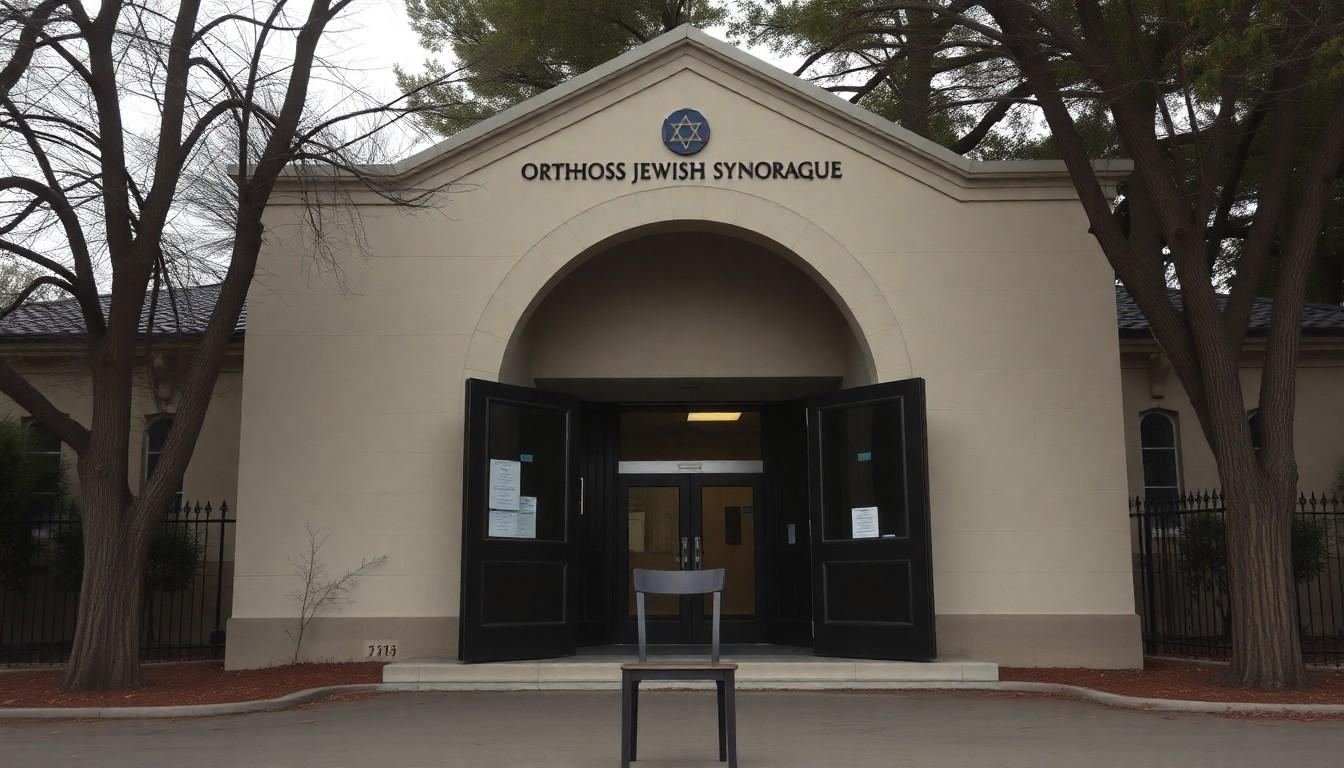
Shoppers, synagogue-goers and parents are noticing a worrying shift: decades of quiet progress toward accepting LGBTQ+ Orthodox Jews are fraying, and communities across the US are being forced to choose between political pressure and pastoral care , with real consequences for people’s safety and wellbeing.
Essential Takeaways
- Decline in welcome: Several previously inclusive Orthodox spaces are signalling reduced openness, leaving LGBTQ+ members isolated and sometimes displaced.
- Health stakes are high: Rejection increases risks of depression, anxiety and suicidal behaviour; the principle of pikuach nefesh argues for protecting life above other concerns.
- Communities still organising: Groups like Eshel are expanding retreats and resources, offering support and referral networks that feel warm and steady.
- Public attitudes shifting: Broader cultural winds, including dips in support for gay marriage, are reshaping local congregational choices and rhetoric.
- Practical step: Rabbis and leaders can make immediate, humane changes , offer private referrals, host education sessions, and publicly discourage harm.
Why leaders are quietly pulling back , and what that feels like to families
There’s a soft but unmistakable chill in some Orthodox communities that used to be careful about inclusion, and it often arrives as an offhand comment from a rabbi or a shift in congregational tone. For parents and children who have felt seen, the change feels personal and destabilising. According to reporting on community trends, activists have had to help families relocate when local institutions became hostile, which underlines how real the consequences are for everyday life. Leaders who want to stem the harm should remember that kindness and discretion cost very little but can save lives.
Progress didn’t happen overnight , and it can’t be taken for granted
The growth of accepting spaces wasn’t accidental; it grew from years of dialogue, retreats and quiet conversations between rabbis, educators and LGBTQ+ members. Organisations report sold-out retreats and growing networks that show demand for belonging remains strong. But these gains are fragile. When political or cultural pressures rise , and when national attitudes waver , local communities can retrench. That’s why institutional memory matters: document inclusive policies, train lay leaders, and invest in relationships so shifts in mood don’t erase progress.
What the data and advocates say about the risks
Medical and social-research bodies make a plain point: rejection by family or faith community correlates with higher rates of mental health distress, including suicidal ideation. That’s why many in the community invoke pikuach nefesh, the Jewish legal principle that prioritises saving life. Advocates argue that recognising gender and sexual diversity as part of human variation is less a theology fight than a pastoral one. Practical supports , counselling, peer groups, and safe referrals , reduce harm quickly and tangibly.
Small steps that make a big difference in practice
You don’t need a synod or a long letter to be humane. When a congregation feels under pressure, leaders can still act compassionately: offer private referrals to welcoming shuls or rabbis, connect families with established support groups, and ensure pastoral conversations are nonjudgemental. Education helps too , short programmes led by trained speakers can demystify gender and sexuality while remaining respectful of halachic boundaries. For parents, creating a safe home where questions can be asked without shame is the single most stabilising thing you can do.
Looking outward: why the broader culture matters and how communities can respond
Shifts in national opinion, like dips in support for gay marriage or louder culture-war rhetoric, don’t stay abstract; they come through local pulpits and school newsletters. That said, community-by-community resistance still works. When rabbis and congregations publicly reaffirm the dignity of every person, it sets a tone that buffers political noise. Some Jewish organisations are also noting that queer Jews sometimes face exclusion in secular queer spaces , which makes the need for a supportive Jewish response even clearer.
It's a small change , speaking kindly, offering referral, hosting an educational talk , but it can make every difference to someone who needs a community to stay alive.
Source Reference Map
Story idea inspired by: [1]
Sources by paragraph: