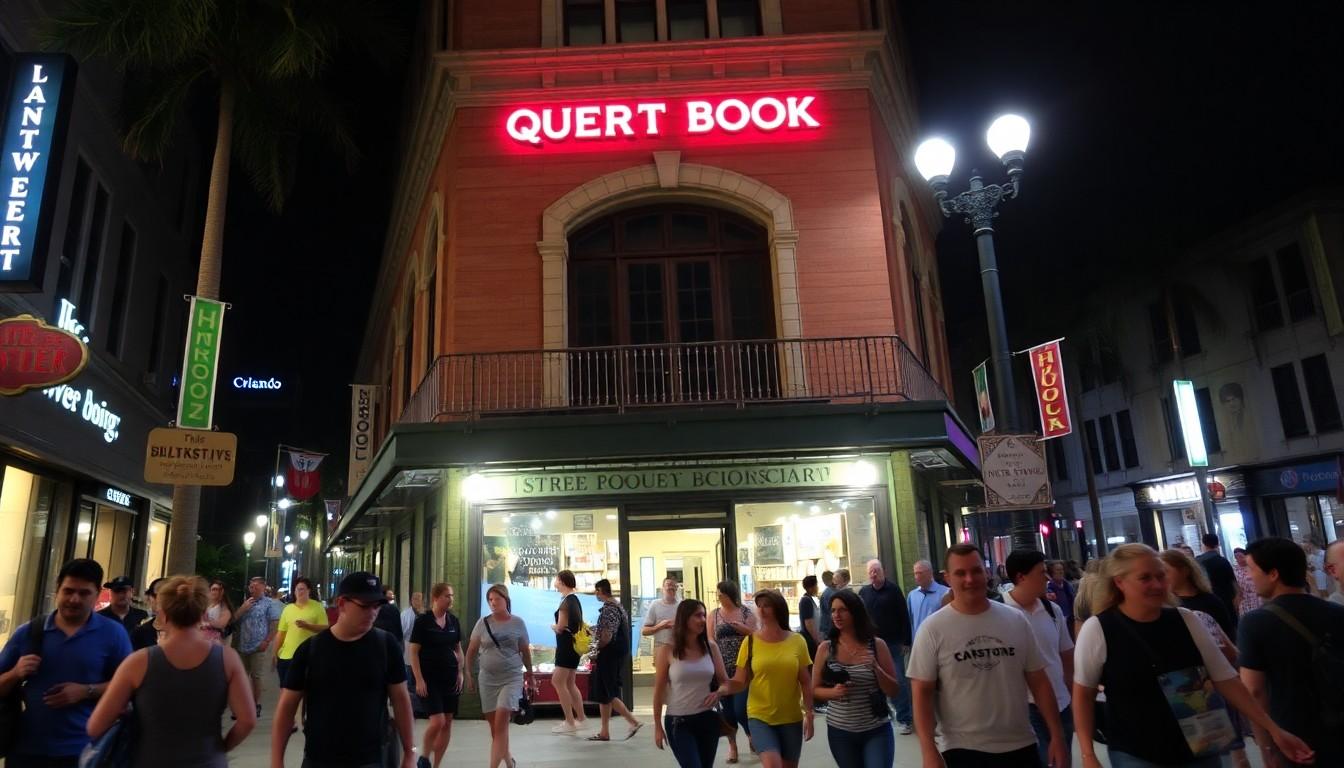
Shoppers, students, and organisers are pushing back , and creating new safe spaces across Florida where queer life can breathe, resist, and thrive; from college campuses to drag brunches and indie bookstores, here's how locals are turning repression into radical care.
Essential Takeaways
- Ground-level resilience: Community-led events , dyke dance nights, drag brunches, mutual aid , are creating tangible, joy-filled refuges for queer people.
- Campus battlegrounds: State moves to reshape universities and curriculums have sparked student organising and off-campus solidarity.
- Civic memory matters: Survivors and activists continue to contest how the Pulse site is memorialised, prioritising dignity over commodification.
- Practical supports: Independent bookstores and cafés are doubling as resource hubs offering things like Narcan, contraception, and legal info.
- Cultural pushback: Documentaries and local media are reframing Florida stories, centring queer, Black, brown, and trans voices.
Why grassroots nightlife and small businesses matter right now
If you want to feel Florida’s queer pulse, start at a late-night dance party or a community café , the energy is loud, sticky with sweat, and defiantly joyful. Small venues and pop-up events are doing more than entertain: they’re survival infrastructure, places to try on an identity, find allies, and learn about rallies or mutual aid drives. According to local organisers, hosting a drag brunch or a sapphic dance night isn’t just about fun; it’s a form of resistance, especially when mainstream institutions shut down or censor queer programming. For readers wondering where to begin, look for event flyers at community bookstores, campus centres, or on social media groups run by organisers , and arrive ready to support these venues with money, time, or by spreading the word.
Colleges have become frontline organising grounds
University campuses remain central to resistance, even as state authorities move to control curricula and trustee boards. Students across Florida have organised queer clubs, teach-ins, and campus tours that connect academic debates to street-level activism. Faculty and students say removing core sociology classes or purging departments doesn’t just erase courses , it chips away at students’ ability to think critically about inequality. If you’re a student or parent, get involved with campus groups, attend public meetings, or join solidarity actions; when professors and nearby community organisers support students, campaigns gain durability and reach beyond campus gates.
The Pulse memorial debate: dignity versus touristification
Ten years after the Pulse shooting, what happens to the site of such a traumatic event is fiercely contested. Survivors and family members have pushed back against a private museum proposal, arguing for a public memorial that honours lives rather than turning grief into spectacle. Local government recently stepped in to purchase the property, and demolition cleared the remnants to make way for a civic-designated memorial. This fight shows how communities insist on shaping their own remembrance: volunteers, historians, and activists continue to demand transparency, survivor-centred planning, and a space meant for reflection rather than revenue.
Bookshops, cafés and mutual aid: the unsung queer lifelines
Independent queer-friendly businesses are quietly filling gaps left by hostile policy. Bookstores offer more than titles; they circulate resources like Narcan, contraceptives, bilingual rights cards, and community notices. Cafés host reading groups, benefit nights, and organising meetings. Owners report that these “third places” attract students, elders, and organisers who rely on them as safe touchpoints. If you run a small business, even small gestures, donating a table for a support group, keeping literature behind the counter, or listing local services, turn your shop into a resource hub that can sustain people through political and personal crises.
Culture as counterprogramming: films, art and storytelling
When laws restrict classroom conversation and public performances, culture pushes back. Documentaries and local art projects are reframing Florida’s story by centring queer climate fighters, trans activists, and community elders. These films offer more than catharsis; they’re organising tools that inspire solidarity across cities and generations. Screenings that pair films with town-hall style discussions or resource booths turn viewers into volunteers and donors. If you’re supporting cultural pushback, host a screening, recommend a film to your local groups, or use social platforms to amplify creators who centre marginalised Floridians.
Closing line It’s a small, stubborn truth: when institutions turn away, communities step up , and that’s exactly the Florida many organisers are fighting to keep.
Source Reference Map
Story idea inspired by: [1]
Sources by paragraph: