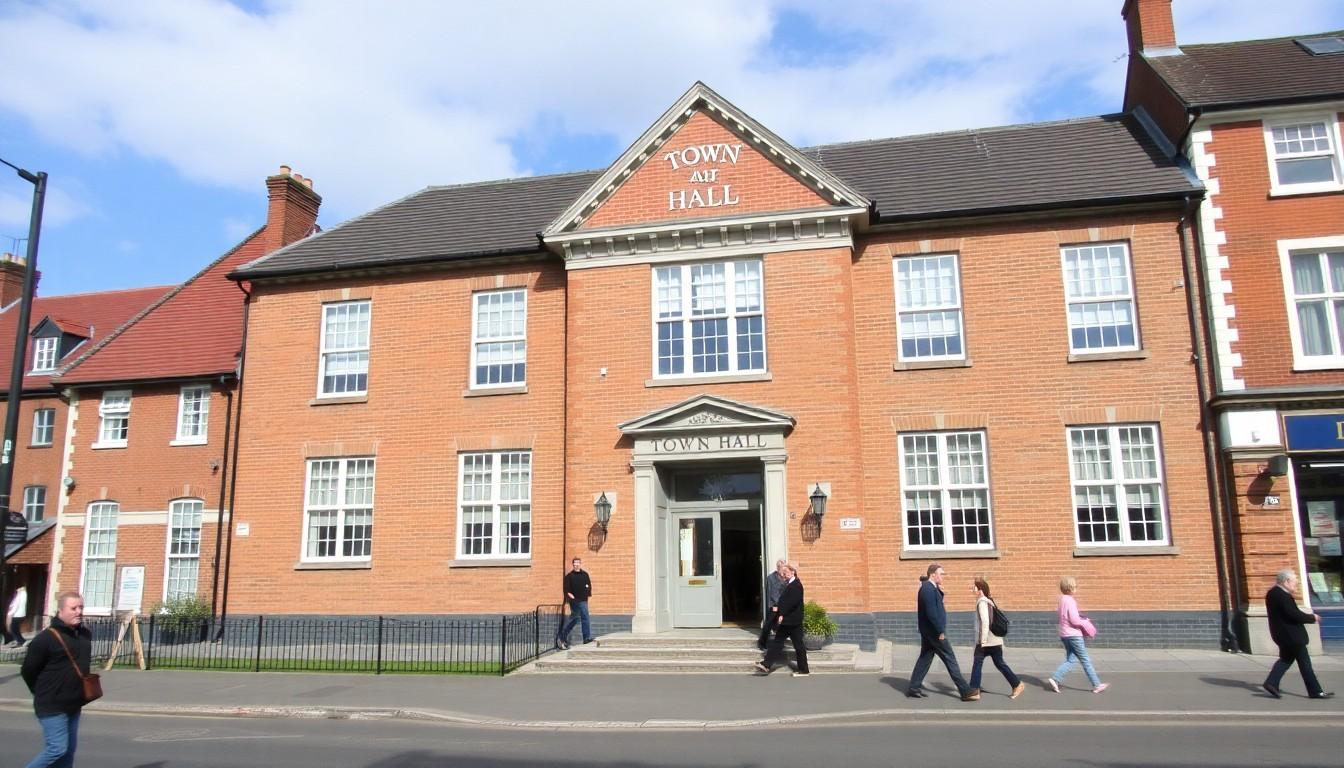
Shoppers are watching a small Norfolk town’s Pride drama unfold as a veteran drag king, performing as Nicolas Hoare, steps forward to bring artists and keep Attleborough Pride on the calendar , a move that matters because it spotlights tensions between politics, community and who gets to represent Pride locally.
Essential Takeaways
- Veteran performer: Nicolas Hoare, a drag king with decades of experience, has agreed to perform and recruit colleagues so Attleborough Pride can go ahead.
- Boycott backstory: At least ten drag queens pulled out after discovering the event was organised and paid for by a newly elected Reform UK county councillor.
- Political rift: The boycott grew from anger over Reform-linked decisions, including disputes about Pride flags at County Hall and wider complaints about the party's stance on LGBTQ+ issues.
- Mixed reactions: Hoare’s support hasn’t smoothed tensions , he’s publicly criticised younger performers as overly “cancel culture” focused, while organisers say the event has seen a surge of support.
- Practical effect: The organiser, Daniel Burcham, says the intervention has helped secure performers and community backing for the August event.
A performer steps into a fraught spotlight
Nicolas Hoare’s decision to take part reads like an old-school curtain call with a modern twist, and it comes with a soft, stubborn pride. According to local reporting, Hoare , a drag king who’s been involved in drag for more than 30 years , has offered practical help and recruited friends so Attleborough Pride can still happen. The image is tactile: experienced hands stepping in to steady a local festival that might otherwise fold.
This small-town drama began when several headline performers pulled out after learning the event was organised and funded by a councillor from Reform UK. Scene Magazine reported the boycott, which immediately turned a routine community event into a flashpoint about who should run Pride and what lines performers will or won’t cross. For residents, the row is less about spectacle and more about who represents them on a day meant to be celebratory.
If you’re wondering why performers would walk away, the answer is political symbolism. The row follows actions elsewhere , like heated debates over flying Pride or Progress Pride flags from civic buildings , that make some artists feel they’d be endorsing a message they oppose. That politicisation has pushed artists to take a stand, and in this case the stand was a refusal to perform.
Clash of generations and beliefs
Hoare hasn’t just agreed to perform; he’s also criticised younger drag artists, calling them “snowflakes” and accusing them of cancelling people for political differences. That’s stirred anger and split opinion further. His comments underline a generational schism you’ll see in many communities: older activists who remember different battles, and younger performers who insist on visibility and values aligning with their politics.
Novara and Byline Times reporting on Reform’s recent controversies adds context , the party’s skirmishes with cultural institutions and alleged offensive social posts have heightened sensitivities. For artists, it’s not only about one event; it’s about a trend they worry could normalise exclusion or tacit endorsement of policies they find hostile.
Practical takeaway: if you’re organising a community Pride, clarity about funding, values and who’s on the committee matters. It avoids surprises and gives performers the facts they need to decide whether to lend their name.
Organisers, backlash and a boost of support
Daniel Burcham, the councillor behind the event, says the boycott has had the opposite effect to what protestors intended: it prompted public offers of support. Burcham, who says he’s gay, argues that Pride should be welcoming and inclusive and that those helping now are doing so to keep the event accessible to everyone.
Local reporting notes that since the boycott became public, Burcham has seen “significant support” and claims the event will go ahead as planned in August. That reaction shows how polarising headlines can rally previously quiet supporters to speak up, especially in tight-knit towns where face-to-face relationships matter far more than online rows.
If you’re a volunteer or small-town organiser, this episode is a reminder to get ahead of controversy: communicate funding sources, guest lists and your anti-discrimination stance early, and be ready to reassure artists and audiences alike.
Why this matters beyond Attleborough
This isn’t an isolated spat; it mirrors wider debates across the UK about the intersection of culture and politics. Reporting around Reform’s culture-war positioning and councils’ flag decisions has made Pride events a testing ground for broader disputes about inclusion, free expression and who sets the agenda for LGBTQ+ visibility.
For LGBTQ+ communities the stakes are practical as well as symbolic. Artists think carefully about the events they attach their names to because association can affect reputations and bookings elsewhere. Meanwhile, audiences who want a joyful, safe Pride can be left feeling they’ve been made collateral in a political fight.
Advice for audiences: check local organisers’ statements before attending and look for clear anti-discrimination policies, so you know what kind of event you’re supporting.
What comes next , local action or long-term divide?
With Hoare stepping in and organisers claiming increased support, Attleborough Pride now looks likely to proceed. Yet the underlying rifts remain; heated social media exchanges and public accusations probably won’t disappear by August. The real work will be rebuilding trust between performers and organisers, and ensuring community voices , especially marginalised ones , are heard.
Hoare frames his intervention as solidarity: if a local Pride is in trouble, you step up. Whether that gesture will heal or harden divides depends on conversations that follow the applause. For towns and festival planners, the lesson is clear: transparency, dialogue and a willingness to listen will keep a small but vital celebration from becoming a battleground.
It's a small change that can make every Pride safer and more inclusive for everyone involved.
Source Reference Map
Story idea inspired by: [1]
Sources by paragraph: